Tear Gas Residue Cleanup articles and resources
Deeper reads on scope, safety, insurance and hiring, written for property owners.
Read articles on how tear gas acts in buildings, lessons from home and business cleanups, and how cleanup methods keep changing.
Get an email reply about tear gas residue cleanup
Send a short message to the follow-up inbox. A coordinator can reply by email. This form does not send emergency help; call 911 first if anyone is in danger.
Browse tear gas residue cleanup articles

Evidence-led educational articles about tear gas residue cleanup. Stay informed about safety standards, best practices, and what to expect from professional remediation.
What to Expect During Professional Tear Gas Residue Cleanup
Agent identification, containment, HEPA passes, alkaline washes, soft goods choices and HVAC checks: how a professional tear gas residue cle...
The Science Behind Tear Gas Residue Cleanup
What CS, CN and OC actually are, how they cling to fabric and ductwork, why heat and moisture reactivate them, and why pH matters in tear ga...
How Long Does Tear Gas Residue Cleanup Take?
Rooms reached, soft goods, HVAC spread, agent type, property damage and police release all affect how long tear gas residue cleanup takes be...
How to Evaluate Equipment Proposed for Tear Gas Residue Cleanup
Full-face respirators, HEPA vacuums, alkaline washes, duct tools and laundering plans: how to judge the equipment a tear gas residue cleanup...
DIY vs Professional Tear Gas Residue Cleanup: The Critical Differences
What you can safely do yourself after tear gas enters your home, why ordinary vacuums and fans backfire, and when HVAC or soft goods call fo...
10 Tear Gas Residue Cleanup Safety Risks to Assess Before Work Begins
Airborne agent, skin contact, unspent canisters, broken glass, HVAC spread, soaked soft goods and vulnerable occupants: ten tear gas cleanup...
OSHA Regulations and Tear Gas Residue Cleanup
What OSHA and NIOSH say about tear gas, how gear rules shape the cleanup, and what homeowners should ask a crew to show them....
PPE Planning for Tear Gas Residue Cleanup: Start With the Hazard Assessment
How tear gas residue crews choose full-face respirators, skin protection and gloves after assessing CS or OC residue, broken glass and HVAC ...
What Drives Tear Gas Residue Cleanup Cost?
Canister count, soft goods, HVAC reach and agent type drive tear gas residue cleanup cost. See why a quote for what looks like dust can surp...
Does Homeowners Insurance Cover Tear Gas Residue Cleanup?
When police deploy CS or OC gas inside a home, insurance, city claims and residue cleanup all collide. Here is how to approach a tear gas re...
How to Compare Low and High Tear Gas Residue Cleanup Bids
How to line up tear gas residue cleanup bids by rooms covered, soft goods, HVAC and duct work, cleaning chemistry, verification and document...
Which Federal, State, and Local Rules Apply to Tear Gas Residue Cleanup?
How federal exposure limits, state claim and tenant laws, and local health, code and claims offices shape what happens after tear gas is use...
How to Research Waste Rules for Tear Gas Residue Cleanup
How to research disposal rules for tear gas cleanup waste: spent canisters, soaked soft goods, exposed food, HVAC filters, alkaline wash wat...
10 Questions to Ask Before Hiring a Tear Gas Residue Cleanup Company
Ask how a tear gas cleanup firm handles CS powder versus OC oil, HVAC reservoirs, soft goods and re-entry checks before you let it into your...
Red Flags When Hiring Tear Gas Residue Cleanup Services
Air out and ozone promises, no HVAC plan, no questions about which agent was used: red flags to catch before hiring a tear gas residue clean...
Training, Documentation, and Credentials for Tear Gas Residue Cleanup
No single license covers tear gas residue cleanup. The training, respirator program, HVAC partners and job records that show a crew can do i...
Managing Stress and Disruption During Tear Gas Residue Cleanup
A standoff or raid, a damaged home and symptoms that keep returning: ways to manage the stress and upheaval of tear gas residue cleanup for ...
How Tear Gas Residue Cleanup Practice Has Changed
How tear gas cleanup moved from airing out and repainting to targeted chemistry, HVAC work and claim-ready records as indoor deployments bec...
The Difference Between Cleaning and Disinfection in Tear Gas Residue Cleanup
Tear gas residue is a chemical irritant, not a germ. Why removal and neutralizing chemistry matter far more than disinfectants in tear gas r...
Tear Gas Residue Cleanup for Property Managers: What You Need to Know
What property managers should do after CS or pepper spray reaches a unit or common area: HVAC lockout, tenant notices, vendor scopes and tur...
When ATP Testing Helps—and When It Does Not—in Tear Gas Residue Cleanup
ATP swabs detect organic soil, not CS powder or pepper spray. See when ATP belongs on a tear gas job, what to use instead and how to read a ...
Tear Gas Residue Cleanup Planning Example: Building a Defensible Scope
Follow a fictional duplex hit with CS canisters from agency release to final walkthrough, and see how a tear gas remediation scope is built ...
Urgent Tear Gas Residue Cleanup: What to Do Before a Provider Arrives
Tear gas got into your home or business? Here is how to protect your household, keep residue from spreading and prepare for a cleanup crew's...
Commercial vs Residential Tear Gas Residue Cleanup
Tear gas in a home versus a storefront, office or restaurant: how HVAC size, inventory, food rules and reopening pressure change a residue c...
Environmental Responsibility in Tear Gas Residue Cleanup
Keeping CS and pepper spray residue out of storm drains, soil and landfills: how a tear gas cleanup can limit its footprint without leaving ...
How to Evaluate Technology Used in Tear Gas Residue Cleanup
HEPA scrubbers, ozone, hydroxyl units, foggers and duct robots: how to judge which tools really help remove CS and pepper spray residue from...
Mental Health Resources During Tear Gas Residue Cleanup
A police standoff or protest that leaves tear gas in your home can be deeply unsettling. Here is how to look after your mental health while ...
When Enzymes or Microbial Products Fit Tear Gas Residue Cleanup
Enzyme and microbial cleaners are built for organic soil, not CS powder or pepper spray film. Learn where they fit and where they fall short...
How to Compare Local and National Tear Gas Residue Cleanup Providers
Choosing between a local crew and a national brand for tear gas residue cleanup: agent experience, HVAC capability, surge capacity and docum...
Questions about tear gas residue cleanup?
If the articles did not answer your question, send a short message and a coordinator will reply by email.
Your request is sent to the follow-up inbox. A coordinator can reply by email.
If anyone is hurt or in danger, call 911 first.
Tear Gas Residue Cleanup figures our articles draw on
- 100,000+ injured; 14 deaths
Physicians for Human Rights reports that more than 100,000 people have been injured by chemical irritants since 2015 and at least 14 have died from canister trauma.
Read with care: Global figure dominated by mass protest settings, not residential incidents.
Source: Physicians for Human Rights / INCLO (2023)Worldwide medical literature review, 2015 onward
- 79% of SWAT deployments in homes
The ACLU's analysis of more than 800 SWAT deployments by 20 agencies in 2011–2012 found 62% were for drug searches and 79% involved searching a person's home.
Read with care: Not a nationally representative sample and not every deployment used chemical agents.
Source: ACLU (2014)20 US law enforcement agencies, 2011–2012
- 93.8%
In a survey of 2,257 people exposed to tear gas during 2020 Portland protests, 93.8% reported physical or psychological health issues and 54.6% sought or planned to seek care.
Read with care: Convenience sample with self-reported symptoms; not representative of all exposures.
Source: BMC Public Health (Torgrimson-Ojerio et al.) (2021)Self-selected online survey, Portland, Oregon, July 30–August 20, 2020
These figures are public research and agency data, not this network's own job records. Keep each number with its population, year and limits; none of them predicts cost, timing or outcome at a specific property.
How to use these articles
Where should I start if tear gas was just used in or near my home?
Start with the article on what to do first, which covers leaving the building, keeping the HVAC off and documenting damage safely. Then read the guide to what professional cleanup looks like so you know what to expect when you call a provider. Save the articles on insurance and cost factors for the next day or two, once everyone is safe and you are ready to plan.
Where do articles on HVAC contamination, soft goods, and powder residue sit?
Removing irritant powder from surfaces and air ducts is covered under process and safety. Deciding what to do with fabrics, bedding, and padded furniture is in education. Pricing and coverage questions have their own costs and insurance group. Choosing a company is separate. If you are unsure, start with the group that matches your most pressing worry. Then follow the links inside each article.
How can I use the calculators and checklists alongside the tear gas guides?
The guides explain why air ducts, soft items, and leftover powder drive the job. The tools let you apply that to your space. The cost article goes with the cost estimator. The hiring articles go with the provider vetting checklist. The insurance article goes with the claim organizer. Reading the guide first makes each tool's questions easier to answer.
Which articles help me choose a cleanup company?
Read the articles on questions to ask before hiring, red flags, comparing bids, and local versus national companies. Together they cover experience with CS and OC, air system plans, and choices about soft items. They also cover records and warning signs. After reading, use the provider vetting checklist during calls and site visits. That way you ask every company the same questions.
Are the articles a substitute for professional advice?
No. They are general learning material. They are meant to help you understand tear gas cleanup and ask better questions. Your situation depends on the building, the gas used, your policy, and local rules. For medical concerns, talk to a health care provider. For legal or insurance disputes, talk to a lawyer or your insurer. For the cleanup itself, rely on a qualified provider's inspection.
Which articles should a landlord or property manager read first?
Start with the property manager article. It covers the building-wide response, updates for tenants, and choices about turning over units. Then read the articles on business versus home cleanup, waste disposal, and federal, state, and local rules. The insurance article helps with the building claim. Share the what to do first and what to expect articles with tenants, since they explain the process in plain words.
What if I cannot find an article about my specific situation?
Look for the closest match and follow its links to related articles, tools and guides. The case study article walks through a full example that may resemble your situation. The guides section offers decision tables and checklists that apply across many scenarios. If your question is still unanswered, write it down and ask the provider, insurer or healthcare professional involved in your case.
More on tear gas residue cleanup
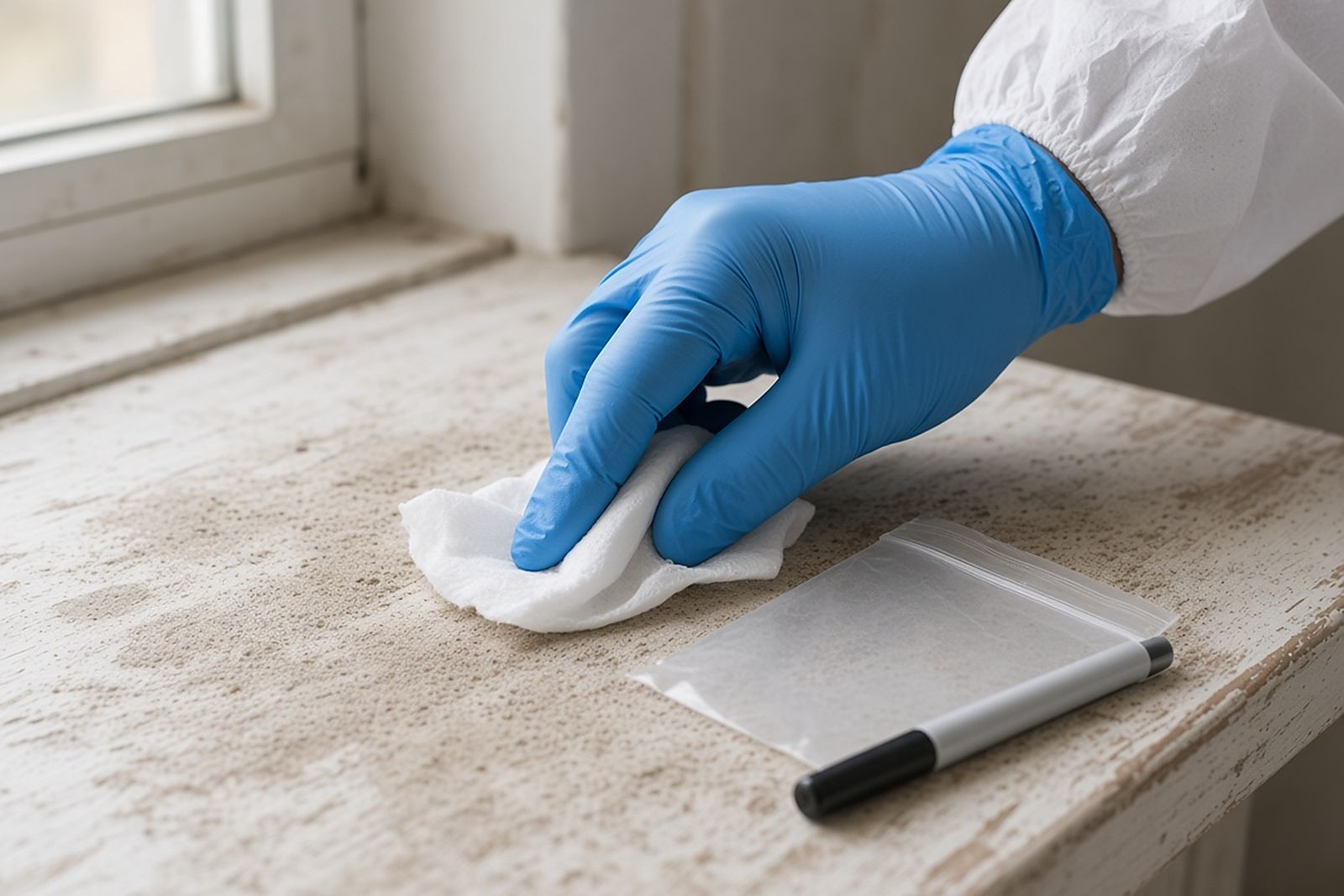
Tear Gas Residue Cleanup services
Learn what professional tear gas cleanup involves. It covers HEPA removal, the right chemicals, air system checks, choices about soft items, and safe return checks.
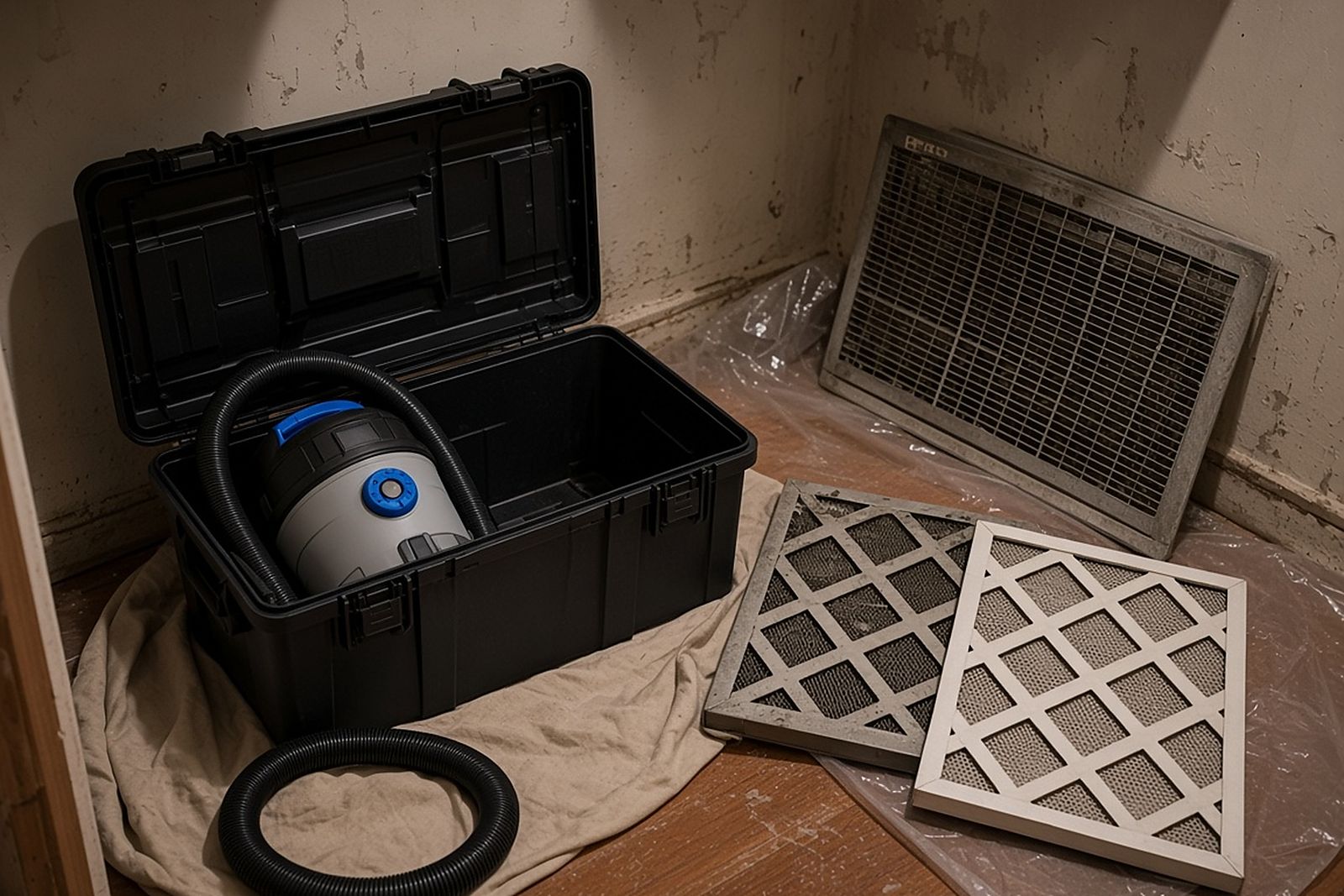
Costs explained
What drives the price, published cost ranges, and how to read a written quote line by line.

Insurance and payment
Which policies may respond, how to document a claim, and what to do if coverage is denied.
Planning tools
Use planners and checklists that walk you through the first day. They help you judge the risk of doing it yourself and get ready to talk with providers, landlords, and insurers.
Community polls
Compare your experience with other tenants, owners, and managers who dealt with tear gas residue. See which choices they found hardest afterward.
Knowledge quiz
Check what you know about how CS and OC residue behaves, why the air system matters, and what a thorough cleanup and its records should include.
Field guides
Read detailed guides on where residue hides, breaking it down versus cleaning it, who does what as landlord or tenant, and what a written cleanup plan should say.