Short answer
Before tear gas residue cleanup starts, assess ten risks: agent still airborne, skin and eye contact, unspent or damaged munitions, broken glass and forced-entry damage, fire and soot from pyrotechnic canisters, HVAC distribution, soft goods acting as reservoirs, the wrong cleaning chemistry, heat stress in protective gear, and exposure of children, pets and people with breathing problems. Each shapes who enters and how.
Why a risk assessment comes first
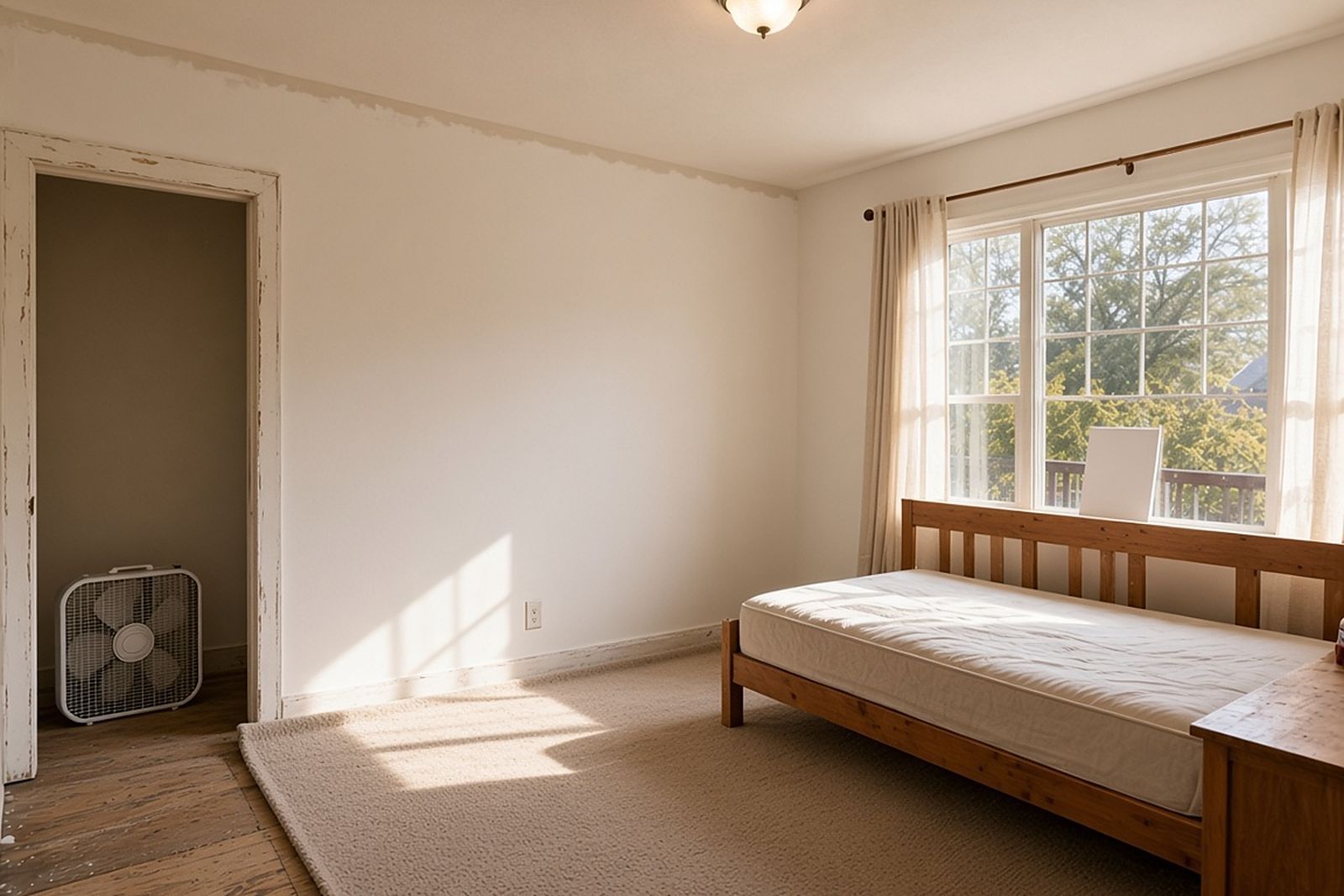
After a deployment, many homes look calmer than people expect. The cloud has cleared, and what remains may be a few scorch marks, some broken glass and a fine film of powder. It is easy to assume the danger has passed and start tidying up.
Tear gas agents are designed to irritate at very low amounts, and residue can be stirred back into the air or transferred to skin long after the event. The building may also contain physical hazards from the deployment itself. A careful assessment identifies these risks before anyone begins cleaning.
The ten risks below are the ones trained crews evaluate. They apply whether the agent entered through an open window during a street protest or was deployed directly into a home during a police operation.
Risks 1 and 2: Airborne agent and skin contact
The first risk is airborne agent. Even days later, fine particles can remain suspended or be lifted back into the air by walking, opening doors or running fans. The effects can be intense. In human volunteer studies cited by NIOSH in 1994, 6 of 15 people rated a 2-minute exposure to 2–10 mg/m³ of CS as intolerable. Household concentrations after settling are usually much lower, but high levels can persist near canister landing spots.
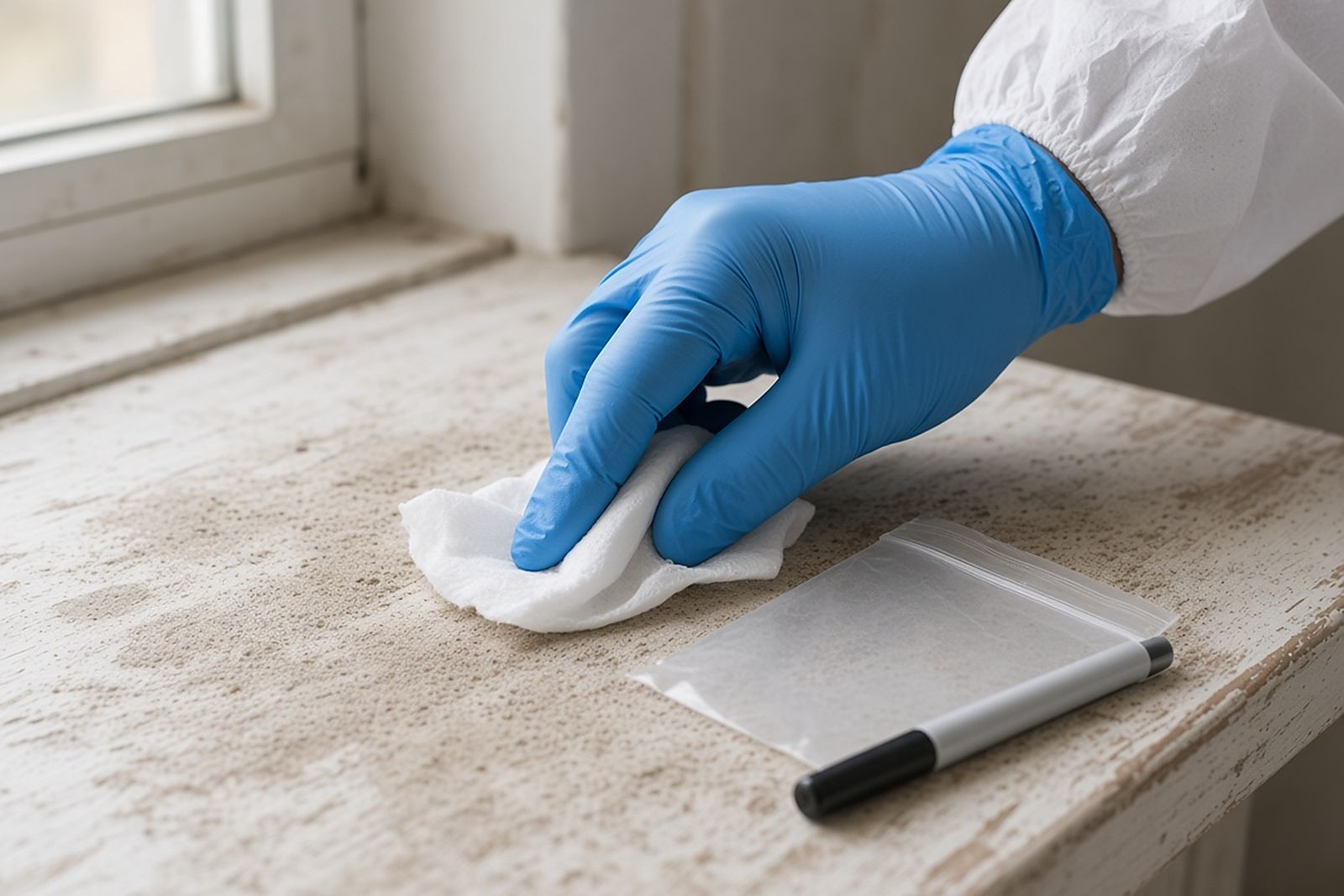
The second risk is skin and eye contact. CS and CN powders and oily OC residue cling to surfaces and transfer to hands, which then carry them to the face. Sweat and moisture can increase irritation. Contact lenses can trap particles against the eye.
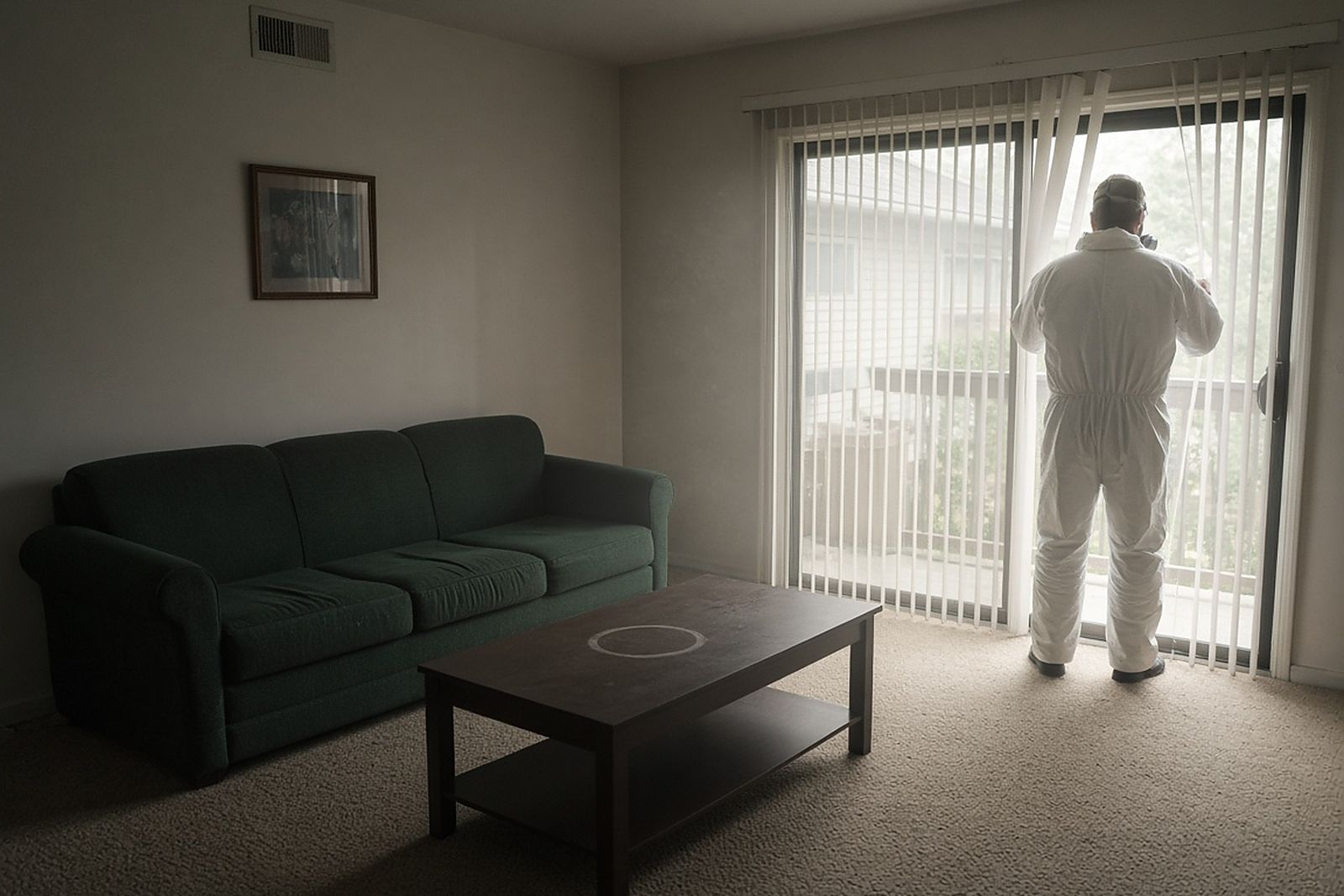
Assessment starts at the doorway. If eyes water or throats burn on entry, the space needs full-face respiratory protection and skin coverage before anyone works inside. Crews typically wear full-face respirators, chemical-resistant suits and gloves, with cuffs sealed.
Risks 3 to 5: Munitions, glass and fire damage
The third risk is unspent or damaged munitions. Canisters, grenades or projectiles may remain in the building, sometimes in hidden places such as behind furniture, in closets or in ceiling cavities. Some may not have fully discharged. They should never be handled by residents or cleanup crews. If you see one, leave it in place, keep people away and contact the law enforcement agency involved.
The fourth risk is broken glass and forced-entry damage. Windows, doors, frames and walls may be broken. Glass fragments mixed with residue can cause cuts that also carry agent into the skin. Damaged doors and windows may leave the building unsecured.
The fifth risk is fire and soot. Some canisters burn a pyrotechnic mixture to disperse the agent, and they can scorch floors, ignite fabrics or leave soot. Burned areas may carry concentrated residue and may have weakened flooring. Assessment includes a careful search for devices, noting glass and damage, and flagging burned areas for removal rather than cleaning.
Risks 6 to 8: Hidden residue and the wrong cleaning method
The sixth risk is HVAC distribution. If the heating or cooling system ran during or after the deployment, it likely pulled agent into the return ducts and pushed it through supply vents into rooms that were never directly exposed. Running the system again before cleaning can redistribute residue throughout the building.
The seventh risk is soft goods acting as reservoirs. Carpet, rugs, mattresses, pillows, upholstered furniture, curtains and clothing trap particles deep in their fibers. They may seem fine until someone sits, lies down or shakes them out, releasing a burst of irritant.
Assessment means asking whether the system was running, sampling or checking rooms far from the deployment point and keeping the HVAC system off until it is evaluated. It also means inventorying soft goods so decisions can be made about cleaning, laundering or discarding each item.
Personal items in drawers and closets are often overlooked. A dresser drawer that was slightly open, a coat left on a hook or a laundry basket near the entry can all hold residue. Checking these spots during the assessment prevents a clean-looking bedroom from causing symptoms weeks later.
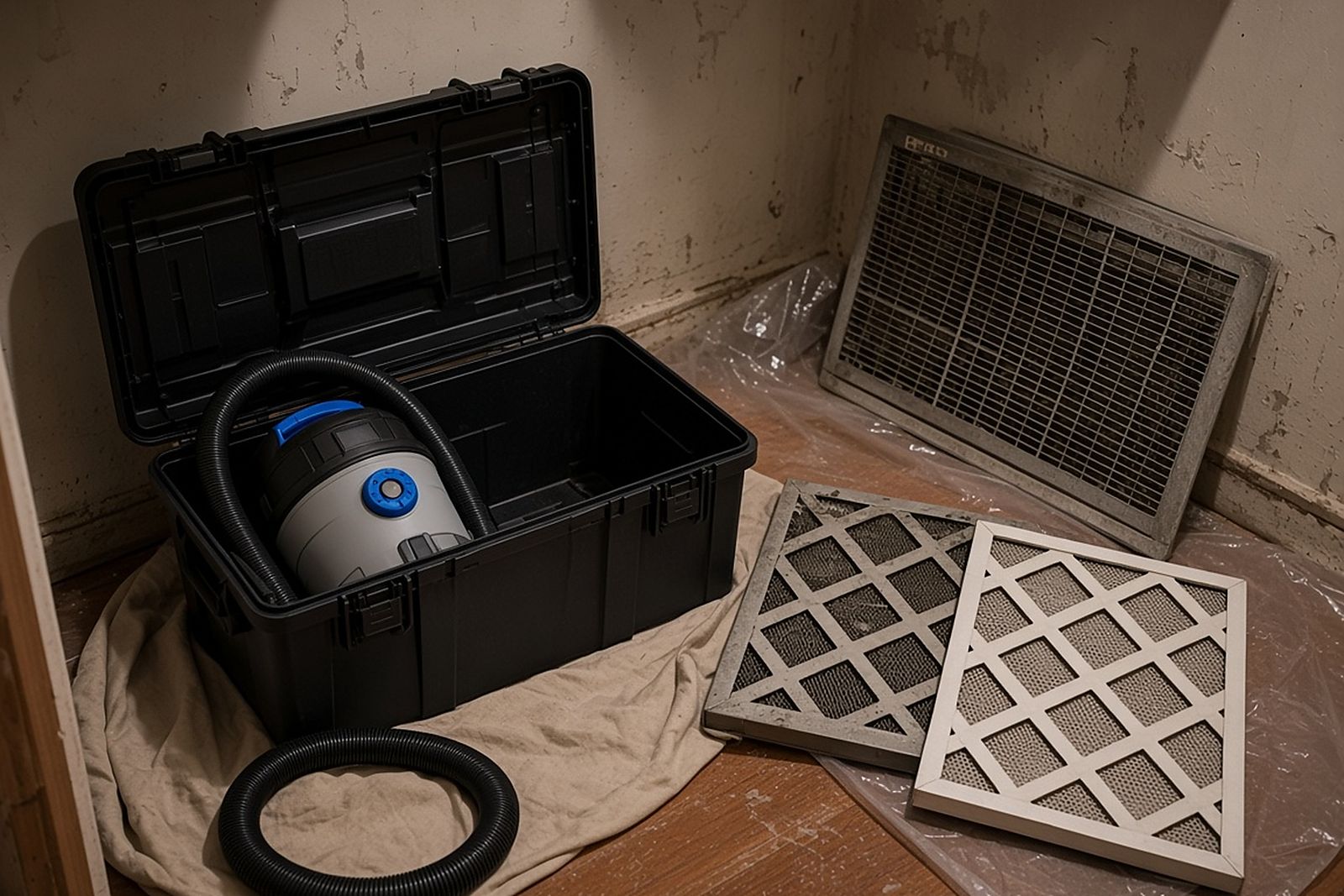
Well-meant cleaning is a common source of re-exposure. Dry sweeping, dusting and ordinary vacuums launch fine particles into the air. Fans move residue into clean rooms. Hot water on heavily contaminated fabrics can increase irritation during handling. Plain water on oily OC residue tends to spread it.
Chemistry matters too. CS breaks down faster in mildly alkaline solutions, while OC needs a detergent that emulsifies oil. Some surfaces, such as natural stone, certain finishes and electronics, can be damaged by the wrong product.
Assessment includes identifying the likely agent, reviewing surface types and choosing HEPA vacuuming first, followed by appropriate washing. Avoid mixing cleaning chemicals, which can create hazardous fumes.
Risks 9 and 10: Who is most at risk during and after the work?
The ninth risk is heat stress for workers. Full-face respirators and chemical-resistant suits trap heat. When the HVAC system must stay off, indoor temperatures can climb quickly, especially in summer. Heat stress leads to fatigue and mistakes, including breaks in protective equipment. Crews should plan regular breaks outside the work zone, hydration and a safe area to remove protective gear.
The tenth risk is exposure of vulnerable occupants. Children, older adults, pregnant people and anyone with asthma or other lung or heart conditions are more likely to be harmed by residue. Pets are also sensitive, and they spend time close to floors and furniture where residue settles.
The health burden of these agents is well documented. A 2021 survey published in BMC Public Health by Torgrimson-Ojerio and colleagues found that among 2,257 people exposed to tear gas during 2020 Portland protests, 93.8% reported physical or psychological health issues and 54.6% sought or planned to seek care. Keeping vulnerable people out until the home is clear is a sensible precaution. Anyone with ongoing symptoms should contact a medical provider.
Assessing a townhouse after a standoff
Here is how those checks come together at an illustrative townhouse. Police end a standoff at a townhouse by deploying several CS canisters through the front windows. The homeowner, who was not involved, is allowed back inside two days later.
A cleanup crew lead arrives in a full-face respirator and walks the home. She notes broken glass in the living room, a scorched section of carpet where a canister burned, and a canister lodged behind a bookcase that appears intact. The furnace was running during the event. Upstairs, bedding and closets show no visible powder, but her eyes sting in the main bedroom.
She stops and asks the homeowner to contact the police department about the canister. After it is removed, the crew boards the windows, sets up a gear removal area on the porch, keeps the furnace off and plans HEPA vacuuming and washing throughout the house. The scorched carpet is cut out, and upstairs bedding and clothing are bagged for laundering. The homeowner's young children and dog stay with relatives until a final walkthrough confirms no lingering irritation, and the homeowner asks the police department whether any claims process applies to damage from the operation. The townhouse is illustrative, but the assessment steps are typical.
A ten-point checklist before cleanup begins
Run through these ten points before anyone starts cleaning, whether you are hiring professionals or handling a light exposure yourself.
- Check whether agent is still airborne, and use respiratory protection if eyes or throat burn.
- Cover skin and eyes, and avoid touching your face during any work.
- Search for canisters or projectiles, and never handle them yourself.
- Note broken glass and forced-entry damage, and secure the property.
- Flag scorched or burned areas for removal rather than cleaning.
- Find out whether the HVAC system ran, and keep it off until evaluated.
- Inventory soft goods and plan to clean, launder or discard each item.
- Identify the likely agent and choose appropriate cleaning methods.
- Plan for heat stress with breaks, water and a cool rest area.
- Keep children, pets and people with health conditions away until the home is clear.
How can you tell whether a crew has assessed these risks properly?
Ask the crew lead to describe what they found during the walkthrough and how each finding changes the plan. A good answer will mention where canisters landed, whether the HVAC system carried agent, which soft goods are affected, which areas are scorched or damaged and how the crew will protect itself from both the agent and the heat.
Look for visible preparation as well: full-face respirators rather than dust masks, a defined area for removing suits, HEPA vacuums on site, sealed bags for soft goods and a plan to keep the furnace or air conditioner off. Those details show that the assessment was more than a quick glance.
Finally, ask how the crew will confirm the home is ready for you. A walkthrough with closed doors, time spent on furniture and a check of closets and drawers is a practical test. If irritation remains anywhere, that area should be revisited before the job is called complete.