Tear Gas Residue Cleanup: Safety
Hazard-assessment articles for tear gas residue cleanup, including when bloodborne, chemical, respiratory, sharps, structural, or waste controls may apply. PPE and containment must follow the actual exposure—not a universal checklist.
Safety posts in this group focus on protecting your eyes, skin, and lungs while you deal with a home or business after tear gas was used. You will find advice on whether and when to go back inside. You will learn what to wear if you must get medicine or papers, and how to avoid carrying residue out on your shoes and clothes. Articles explain why a home vacuum can blow irritant dust back into the air. They explain why hot water and steam may not be the right first step. They also show how to protect children and pets, who are extra sensitive to leftover residue.
Get an email reply about tear gas residue cleanup
Send a short message to the follow-up inbox. A coordinator can reply by email. This form does not send emergency help; call 911 first if anyone is in danger.
Other articles speak to people at higher risk. These include people with asthma, older relatives, or anyone who got sick during the first exposure. We describe signs that mean you should leave the space and get medical advice, rather than push through. You will also find posts on keeping neighbors and building staff safe when bagged materials leave the property. None of this replaces advice from a doctor or poison control center. But it gives you a practical place to start making careful choices in the first hours and days.
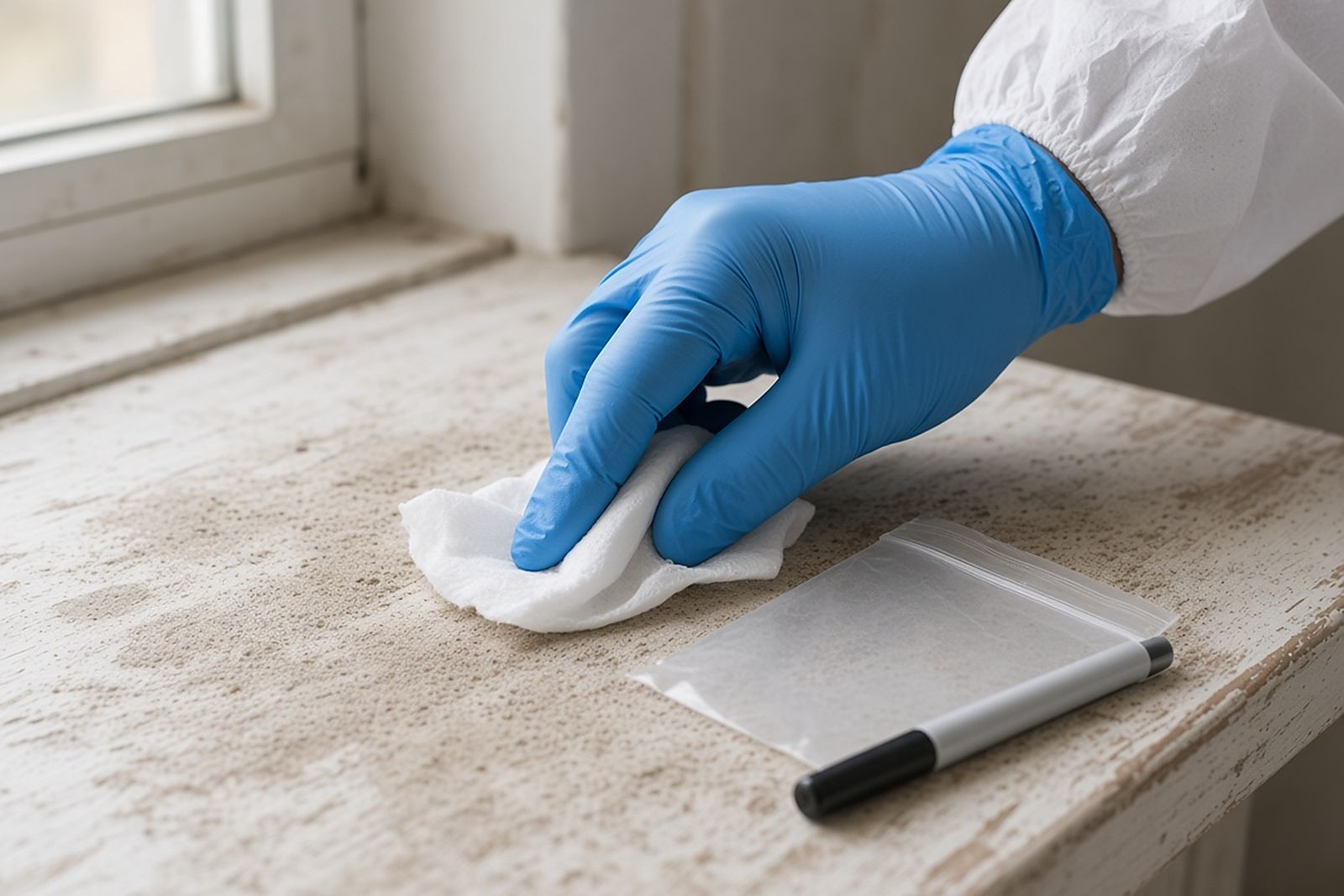
DIY vs Professional Tear Gas Residue Cleanup: The Critical Differences
What you can safely do yourself after tear gas enters your home, why ordinary vacuums and fans backfire, and when HVAC or soft goods call for a trained crew.
After a light, localized exposure, such as drifting agent near a window, careful DIY cleaning of hard surfaces may be reasonable with gloves, eye protection and the right methods. Professional tear gas residue cleanup is the safer choice when canisters were deployed inside, when the HVAC system ran, when soft goods absorbed agent or when anyone in the household has breathing problems.
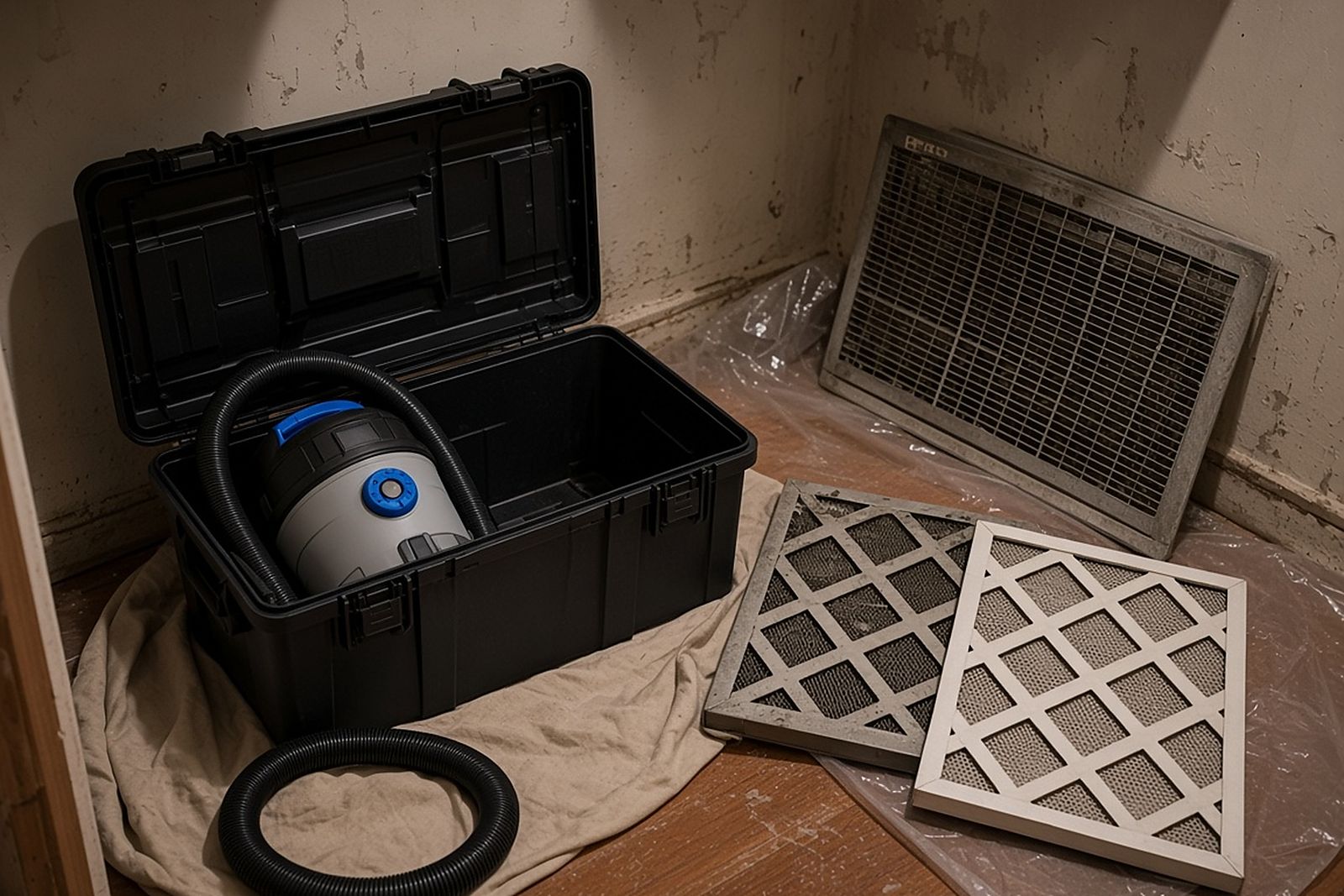
10 Tear Gas Residue Cleanup Safety Risks to Assess Before Work Begins
Airborne agent, skin contact, unspent canisters, broken glass, HVAC spread, soaked soft goods and vulnerable occupants: ten tear gas cleanup risks to check.
Before tear gas residue cleanup starts, assess ten risks: agent still airborne, skin and eye contact, unspent or damaged munitions, broken glass and forced-entry damage, fire and soot from pyrotechnic canisters, HVAC distribution, soft goods acting as reservoirs, the wrong cleaning chemistry, heat stress in protective gear, and exposure of children, pets and people with breathing problems. Each shapes who enters and how.
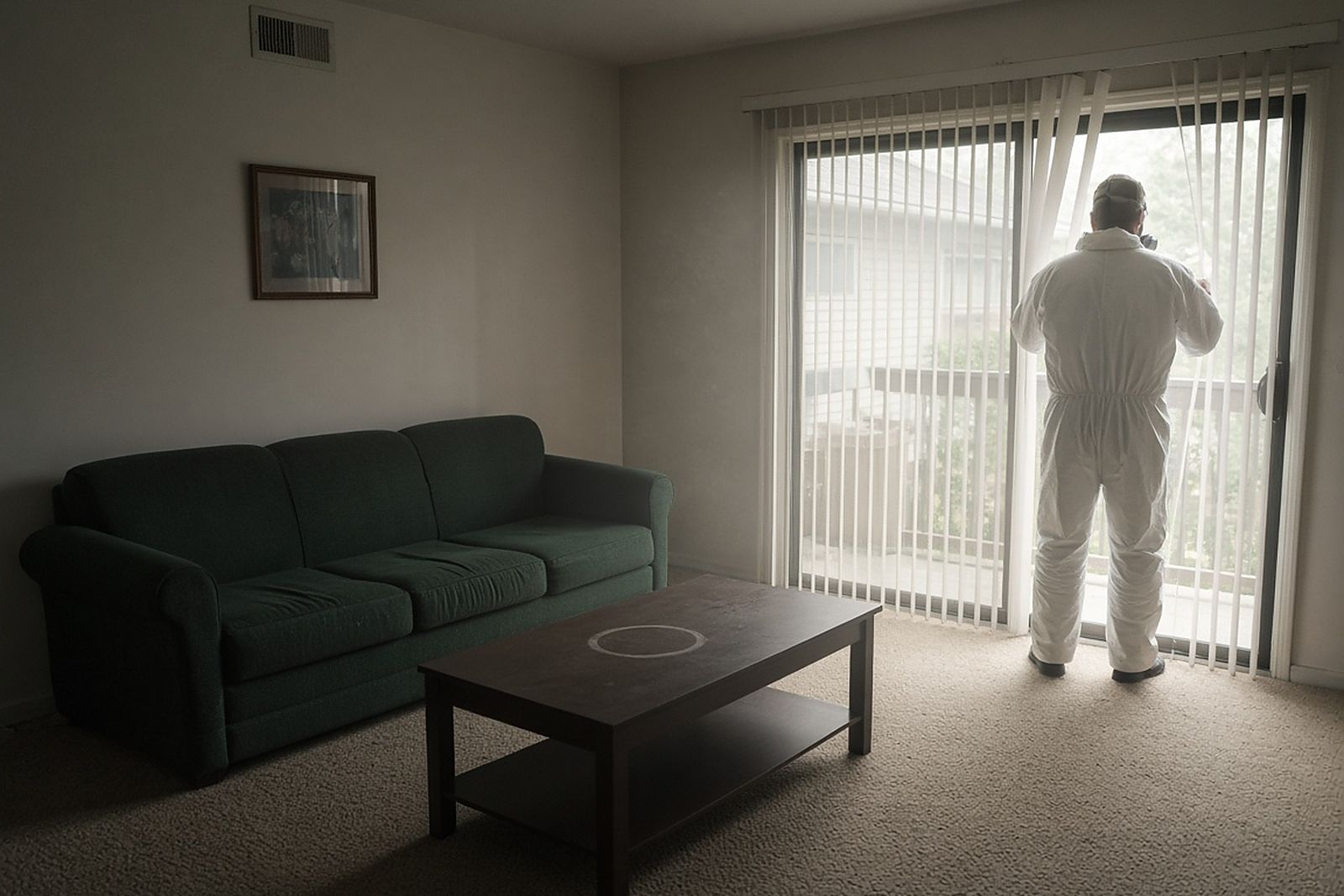
PPE Planning for Tear Gas Residue Cleanup: Start With the Hazard Assessment
How tear gas residue crews choose full-face respirators, skin protection and gloves after assessing CS or OC residue, broken glass and HVAC spread.
PPE for tear gas residue cleanup should come from a written hazard assessment of the specific building. The assessment identifies which agent was used, how it entered, where residue settled, whether the HVAC ran, what physical damage exists and which cleaning solutions will be applied. Those findings drive the choice of respirator, eye protection, skin coverage, gloves and the routine for removing gear safely.
Sourced figures on safety
- 89 tear gas uses in 34 states
Amnesty International recorded 89 uses of tear gas in 34 states and 21 uses of pepper spray in 15 states plus D.C. between May 26 and June 5, 2020.
Read with care: Counts verified incidents in one short period; total 2020 deployments were higher.
Source: Amnesty International (2020)United States, 11-day window in 2020
- 79% of SWAT deployments in homes
The ACLU's analysis of more than 800 SWAT deployments by 20 agencies in 2011–2012 found 62% were for drug searches and 79% involved searching a person's home.
Read with care: Not a nationally representative sample and not every deployment used chemical agents.
Source: ACLU (2014)20 US law enforcement agencies, 2011–2012
- 100,000+ injured; 14 deaths
Physicians for Human Rights reports that more than 100,000 people have been injured by chemical irritants since 2015 and at least 14 have died from canister trauma.
Read with care: Global figure dominated by mass protest settings, not residential incidents.
Source: Physicians for Human Rights / INCLO (2023)Worldwide medical literature review, 2015 onward
These figures are public research and agency data, not this network's own job records. Keep each number with its population, year and limits; none of them predicts cost, timing or outcome at a specific property.
What research has found
Findings from published studies of people and properties in situations like this one. They describe what researchers observed in a specific group; they are not predictions for your case.
More reported exposure days were associated with more delayed issues, except mouth-related issues.
Safety: common questions
What should I wear if I need to go back in briefly?
Long sleeves, long pants, closed shoes you can wash or discard, and gloves reduce skin contact. Eye protection helps, and a properly fitted respirator gives more protection than a cloth mask. Keep the visit short, avoid touching your face, and change clothes and wash as soon as you leave the space.
Are my pets safe to bring home after the event?
Animals sit closer to floors and carpets where residue settles, and they groom their fur, which can lead to ingestion. Keeping them away until cleaning is complete is the cautious choice. If a pet was exposed during the event, contact a veterinarian and mention the agent involved.
When should I get medical help after re-entering?
Seek care if you have trouble breathing, chest tightness, persistent coughing, or eye pain that does not ease after leaving the space and rinsing. People with asthma or heart conditions should be particularly careful. Tell the clinician which agent was likely used and how long you were inside.
Is it safe to cook in a kitchen that had residue before cleanup?
It is better to wait. Heat from cooking can warm residue on surfaces, cabinets and range hoods, and exposed food or utensils may carry irritants. Use a clean kitchen elsewhere or simple foods that do not require cooking until the provider has cleaned the kitchen. Discard exposed open food, and wash dishes and utensils thoroughly before using them again.
How can I protect my car if I parked near the deployment?
Residue can settle on the outside of a car and on seats and floor mats. This is more likely if windows or doors were open. Wash the outside. Vacuum the inside with a HEPA vacuum if you can, and wipe hard surfaces. Replace the cabin air filter if the car's fan ran near the area. If irritation keeps up while you drive, ask a car detailing pro who knows chemical residue.
What should I do if a neighbor's cleanup seems to be spreading residue toward my home?
Close your windows and doors on that side and turn off any fresh-air intake if possible. Talk politely with your neighbor or their provider about what you are noticing, such as dust blowing across the property line or fans pointing outward. If the problem continues, contact your landlord, HOA or local health department. Document what you see with dates and photos.
Should I wear a mask at home after cleanup?
If the cleanup was completed properly and the walkthrough went well, wearing a mask at home should not be necessary. If you notice irritation, a mask may reduce discomfort briefly, but it does not solve the problem. Report symptoms to the provider so they can recheck the area. Seek medical care if breathing problems continue or worsen.
Related community polls
Every count is a real visitor vote; nothing is seeded or padded. One vote per poll per device, and you can change your answer.
How did tear gas end up in your building?
What was the first thing you tried to reduce the irritation?
More on tear gas residue cleanup
Tear Gas Residue Cleanup services
Learn what professional tear gas cleanup involves. It covers HEPA removal, the right chemicals, air system checks, choices about soft items, and safe return checks.
Costs explained
What drives the price, published cost ranges, and how to read a written quote line by line.

Insurance and payment
Which policies may respond, how to document a claim, and what to do if coverage is denied.
Planning tools
Use planners and checklists that walk you through the first day. They help you judge the risk of doing it yourself and get ready to talk with providers, landlords, and insurers.
Community polls
Compare your experience with other tenants, owners, and managers who dealt with tear gas residue. See which choices they found hardest afterward.
Knowledge quiz
Check what you know about how CS and OC residue behaves, why the air system matters, and what a thorough cleanup and its records should include.
Field guides
Read detailed guides on where residue hides, breaking it down versus cleaning it, who does what as landlord or tenant, and what a written cleanup plan should say.