Tear Gas Residue Cleanup Cost: What Shapes the Price
Why cleaning up chemical residue is priced differently from normal cleaning
When a chemical irritant has been released inside your home or business, the bill that follows can be confusing. The residue may look like light dust. Yet the quote reads like a construction estimate. This guide explains what you are really paying for and which conditions make the job bigger or smaller. It also shows how to compare quotes calmly.
Get an email reply about tear gas residue cleanup
Send a short message to the follow-up inbox. A coordinator can reply by email. This form does not send emergency help; call 911 first if anyone is in danger.
What published figures say about cost
- 1,814
Eye and Face Protection (1926.102) drew 1,814 OSHA citations in fiscal 2024, ninth on the most-cited list.
Read with care: Construction-standard citation; general industry PPE cited separately.
Source: OSHA (via Safety+Health) (2024)United States federal OSHA citations, FY2024
- 8 hours annually
Workers covered by HAZWOPER must receive eight hours of refresher training every year.
Read with care: Refresher may be shorter if combined with documented equivalent training.
Source: OSHA (2024)United States, 1910.120(e)(8)
- $16,550
OSHA's maximum penalties are $16,550 per serious violation and $165,514 per willful or repeated violation.
Read with care: Amounts adjust annually for inflation.
Source: OSHA (2024)United States federal OSHA, 2024 inflation-adjusted amounts
- every 3 years
Hazmat employees must receive recurrent DOT training at least once every three years.
Read with care: Records must be kept for the prior three years plus 90 days after employment ends.
Source: DOT PHMSA (49 CFR via Cornell LII) (2024)United States, all hazmat employees
- 180 days
Facilities generating more than 100 kg but less than 1,000 kg of hazardous waste per month are Small Quantity Generators and may store it up to 180 days.
Read with care: Limit extends to 270 days when the disposal facility is over 200 miles away.
Source: EPA (2024)United States, RCRA generators
- 29
OSHA approves 29 State Plans, 22 covering private and public workers and 7 covering only state and local government employees.
Read with care: State plans must be at least as effective as federal OSHA but may differ in detail.
Source: OSHA (2024)United States states and territories
These figures are public research and agency data, not this network's own job records. Keep each number with its population, year and limits; none of them predicts cost, timing or outcome at a specific property.
What exactly is being priced in a tear gas cleanup quote?
A cleanup quote bundles several kinds of work that normal cleaners never do. Labor is usually the biggest part. Workers wear respirators and protective suits, which slows every task and means they need rest breaks. Sealing off the area comes next. That means plastic sheeting, sealed doorways, and air filters and plastic walls that keep stirred-up dust from drifting into clean rooms. Each of these takes time to set up, keep running, and take down safely.
Besides labor and sealing off rooms, you will usually see other lines. These include HEPA vacuuming with very fine filters and wet cleaning with products that are safe to use on the agent. They also include work on the heating and cooling system, removing soft goods that can't be saved, bagging and hauling, and a final check. Some quotes also include rebuild items like new carpet, drywall patches, or ceiling tiles. Knowing which group each line fits in helps you see whether two quotes describe the same job or two very different ones.
Which conditions move the price up or down?
The type of agent matters. A powdery man-made irritant spreads widely and settles on every flat surface. An oily pepper-based product clings to fabric and needs products that cut grease. Other things change how far the residue traveled and how deep it settled. These include how many canisters or rounds were used, whether any burned to release the gas, and how long the building sat closed after. Humidity inside during that time can also affect how hard the film clings to surfaces.
Building features matter just as much. A forced-air system that kept running during or after the release can carry residue into rooms that were never directly exposed. Heavy carpet, cloth-covered furniture, open shelves, and soft ceiling tiles all add hours. Damage from forced entry, like broken windows or doors, may need boarding up or weather protection before cleaning can start. Mention each of these during the first walkthrough.
Access and whether people need to move back in can also change the job. A crowded storage room, a finished basement, or a business with stock on every shelf takes longer than an empty unit. If people need to move back in fast, a provider may add workers to shorten the schedule. That changes the labor line even when the total work is about the same. Ask how the staffing plan was built into the estimate.
- The type of agent and how it was released
- Whether the air system kept running after the release
- How much carpet, cloth furniture, curtains, and other soft material there is
- Damage from entry that must be secured first
- How full the space is and how much must be moved or listed
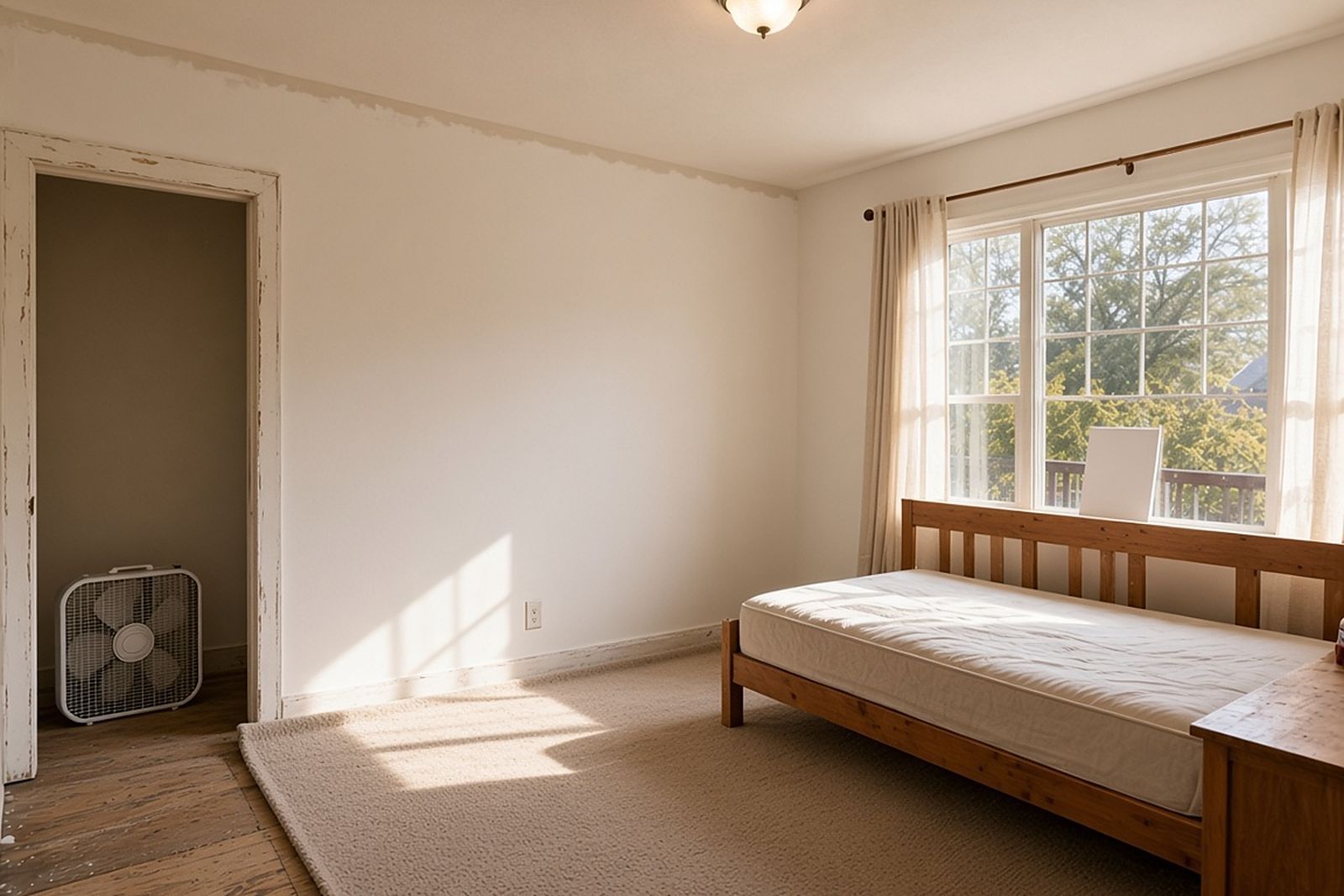
How should you read an itemized quote line by line?
First, check that every room is named and that the quote says what happens in each one. A vague line like "whole-house decontamination" hides the real work. Look instead for clear lines. An example is "HEPA vacuum all flat surfaces in the living room, wash walls to ceiling height, remove and bag drapes." Clear wording lets you confirm the work was actually done.
Next, find the section on the heating and cooling system. It should name the filter, the return air box, the ducts that can be reached, the blower, and the coil. It should say whether each is cleaned, replaced, or only checked. Then look for the list of soft goods. A good provider will record what was cleaned, what was thrown out, and why. That way, the reasons still hold up if a landlord or insurer asks about them later.
Last, look for how the job ends. The quote should explain how the provider decides the job is done. That might be a visual check, checks when people go back in, or other testing. If two quotes differ a lot, the gap is usually in one of these three areas. Ask each provider to explain its finish line in plain words. Note whether a room that fails is recleaned for free or billed as new work. That one answer often shows how confident the company is in its own process.
What hidden costs catch people off guard?
The most common surprise is the heating and cooling system. A quote that covers only surfaces you can see may look affordable. But if the ducts are skipped, irritation often comes back once the heat or air turns on. Then a second visit follows. Ask up front whether duct work is included or not. Get that answer in writing so it can't turn into an added charge later.
Other costs people miss include a place to stay while the space can't be used and new clothing and bedding. There may be vet visits for pets that were inside, and spoiled food or medicine. Business owners may face lost stock and downtime. None of these show up on a cleanup quote. Yet they are real costs, so track them from day one. Some may be paid back through insurance or a claim with an agency.
Who usually pays for tear gas residue cleanup?
Who pays depends on why the agent was used and who owns what. In a rental, the owner usually handles the building and its systems. Tenants handle their own belongings. Homeowners usually start with their own policy. When police caused the release during an operation, some agencies accept claims for property damage. But results differ a lot and are rarely quick.
A crime may have happened at the property. If you were a victim and not a suspect, a state victim compensation program may be worth asking about. But property cleanup is not always a cost they cover. Businesses may look to commercial property coverage. Rules vary by state and county; verify with the local authority. Getting the responsible party named in writing before you approve work protects everyone.
Can you walk through a hypothetical example?
Picture a two-story townhouse where officers used a powdered irritant on the ground floor during a standoff. The central air ran for most of the next day before the family came back. The first provider quotes only surface cleaning downstairs. A second provider quotes cleaning downstairs and in the upstairs bedrooms. It adds the full return side of the duct system and removing the living room carpet and pad. It also includes getting rid of two cloth-covered chairs.
The second quote is bigger, but it matches what really happened. The air carried residue upstairs, and the carpet trapped particles deep in its backing. Picking the smaller quote would likely lead to more eye and throat irritation and a second job. Comparing what each quote covers first, then price, keeps the choice based on the building, not the bottom line. Asking each provider why its plan includes or skips an area is often the fastest way to spot a gap.
Where can you save on tear gas remediation without adding risk?
Don't vacuum, wash, or scrub before a provider looks at the space. Household vacuums can blow fine particles back into the air. Warm water on some agents releases fresh fumes. Both can spread the residue and make the job bigger. Keep windows open only if it is safe. Turn off the air system, and keep people and pets out.
Ask each provider to split must-do items from optional ones. An example is cleaning versus replacing a mid-range sofa. Gather photos and details about what happened before anyone arrives, so the assessment goes quickly. When you know what is needed for a safe return, you can make smart choices on the rest without risking anyone's health. A short written list of priorities also helps if an insurer later asks why some items were replaced.
Estimate your range
Tear Gas Residue Cleanup cost range estimator
Educational only. Real pricing needs an on-site assessment and a written scope. Insurance coverage is decided by your carrier, not by this tool.
Educational range: $3,000 – $5,000
Scaled from a published reference range (typical biohazard cleanup project, national) reported by Fixr (2025). Your region, provider and the actual findings on site can move the real number outside this range.
Cost level: Mid range.
None of the big cost multipliers are selected. Minimum service charges, travel and waste fees still apply.
Ask every quote to itemize labor, containment, product, waste disposal, verification sampling, and any rebuild, and to state what is excluded.
Open the full tool page for a worked example and more answers.
Costs questions about tear gas residue cleanup
Why does a tear gas cleanup cost more than a regular deep clean?
A regular deep clean is made for dirt and grime. It is not made for an irritant chemical that can float back into the air when disturbed. Cleanup crews wear breathing protection, seal off areas, and use HEPA equipment. They pick products that won't release more fumes, and they handle the air system. They also record choices about belongings. All that takes more time, training, and gear than a normal cleaning visit. That's why the pricing looks so different.
Should I get more than one quote?
Yes, when time allows. Two or three written quotes help you see if one provider is missing a key area, like ducts or upstairs rooms. They also show if another is suggesting replacements that may not be needed. Ask each provider to walk the space in person instead of quoting from photos alone. Then compare what each covers line by line before comparing totals. The lowest number often reflects the smallest plan, not the best value.
Is it cheaper to replace furniture or clean it?
It depends on the item. Hard furniture with sealed finishes usually cleans well and is rarely worth replacing. Cloth-covered pieces, mattresses, and cushions are harder. Particles lodge deep in the padding where cleaning can't reach. For a lower-value sofa, replacing it may cost less than repeated cleaning that still leaves irritation. For a family heirloom or costly piece, special cleaning may be worth a try. Ask the provider to explain the reason for each choice.
Will the quote include testing after cleaning?
Not always, so ask directly. There is no single test that works for every riot-control agent. Providers confirm the job is done in different ways. These include a careful visual check, checking for irritation when people go back in, and sometimes lab tests. Whatever method is used should be named in the quote. It should clearly say what happens if a room fails. Knowing the finish line before work starts prevents arguments at the end.
Can I do part of the work myself to save money?
Some low-risk tasks may be fine. Examples are moving undamaged items from rooms that weren't affected, or throwing out open food that was exposed while wearing gloves. But vacuuming, washing heavily exposed fabrics, or cleaning ducts yourself can spread residue and bring symptoms back. Talk with your provider before touching anything. A good company will tell you honestly which tasks are safe for you and which are better left to trained workers.
What if my landlord refuses to pay for cleanup?
Start by putting your request in writing. Describe the symptoms and the areas affected, and keep copies of everything. Many areas have rules that homes must be livable, and they may apply here. A local tenant rights group or housing agency can explain your options. Rules vary by state and county; verify with the local authority. In the meantime, protect your health by staying out of affected rooms. Keep records of any doctor visits tied to the exposure.
Do providers charge more for emergency scheduling?
Some do, mostly for after-hours or weekend starts when crews must be called in. Ask whether rush scheduling has a separate rate and how it shows on the quote. If the building is secure and no one needs to use it right away, waiting a short time for a normal start may lower labor costs. If people or animals must return quickly, the added charge may be worth it for peace of mind.
What other visitors said
Every count is a real visitor vote; nothing is seeded or padded. One vote per poll per device, and you can change your answer.
How did tear gas end up in your building?
What was the first thing you tried to reduce the irritation?
More on tear gas residue cleanup
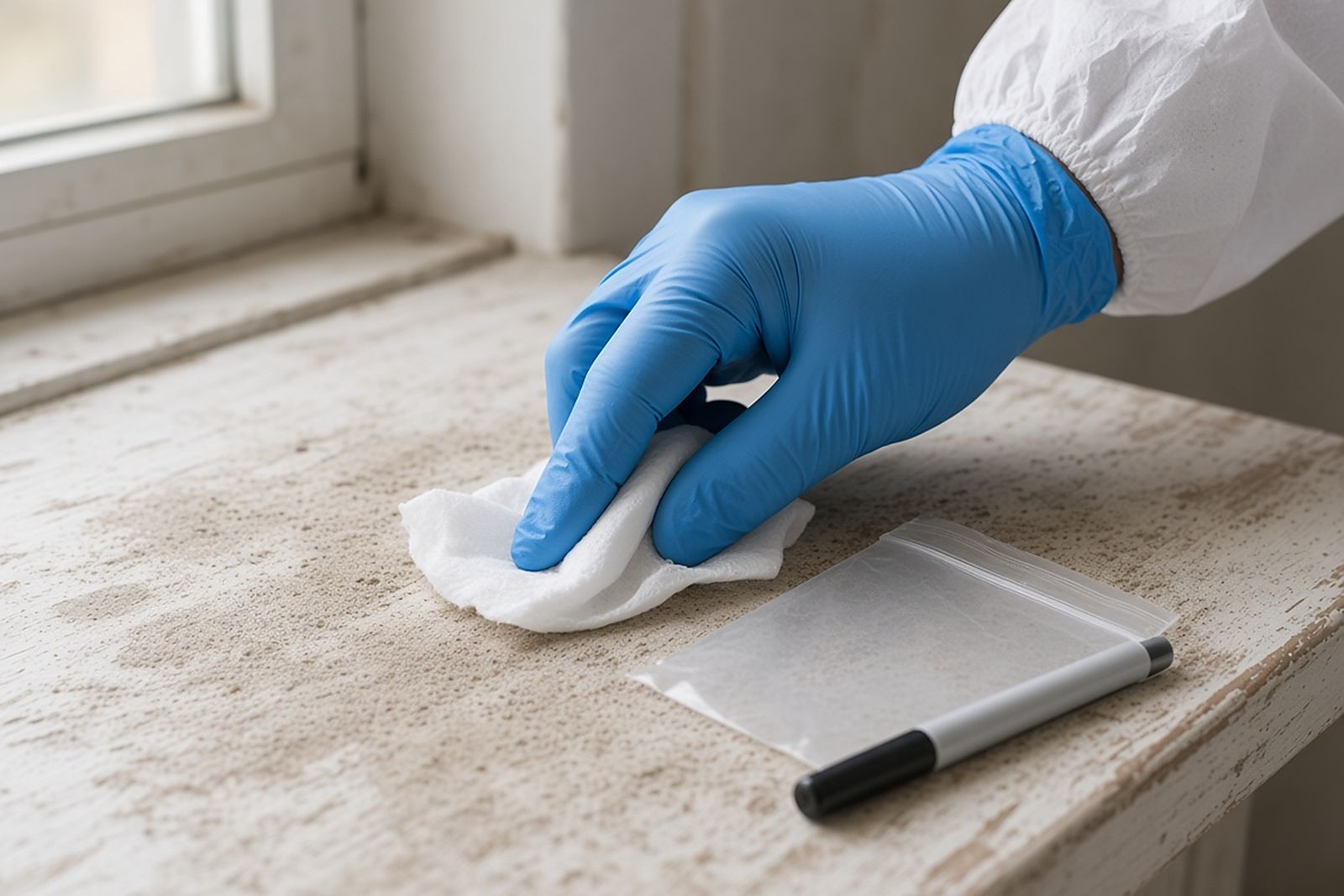
Tear Gas Residue Cleanup services
Learn what professional tear gas cleanup involves. It covers HEPA removal, the right chemicals, air system checks, choices about soft items, and safe return checks.
Insurance and payment
Which policies may respond, how to document a claim, and what to do if coverage is denied.
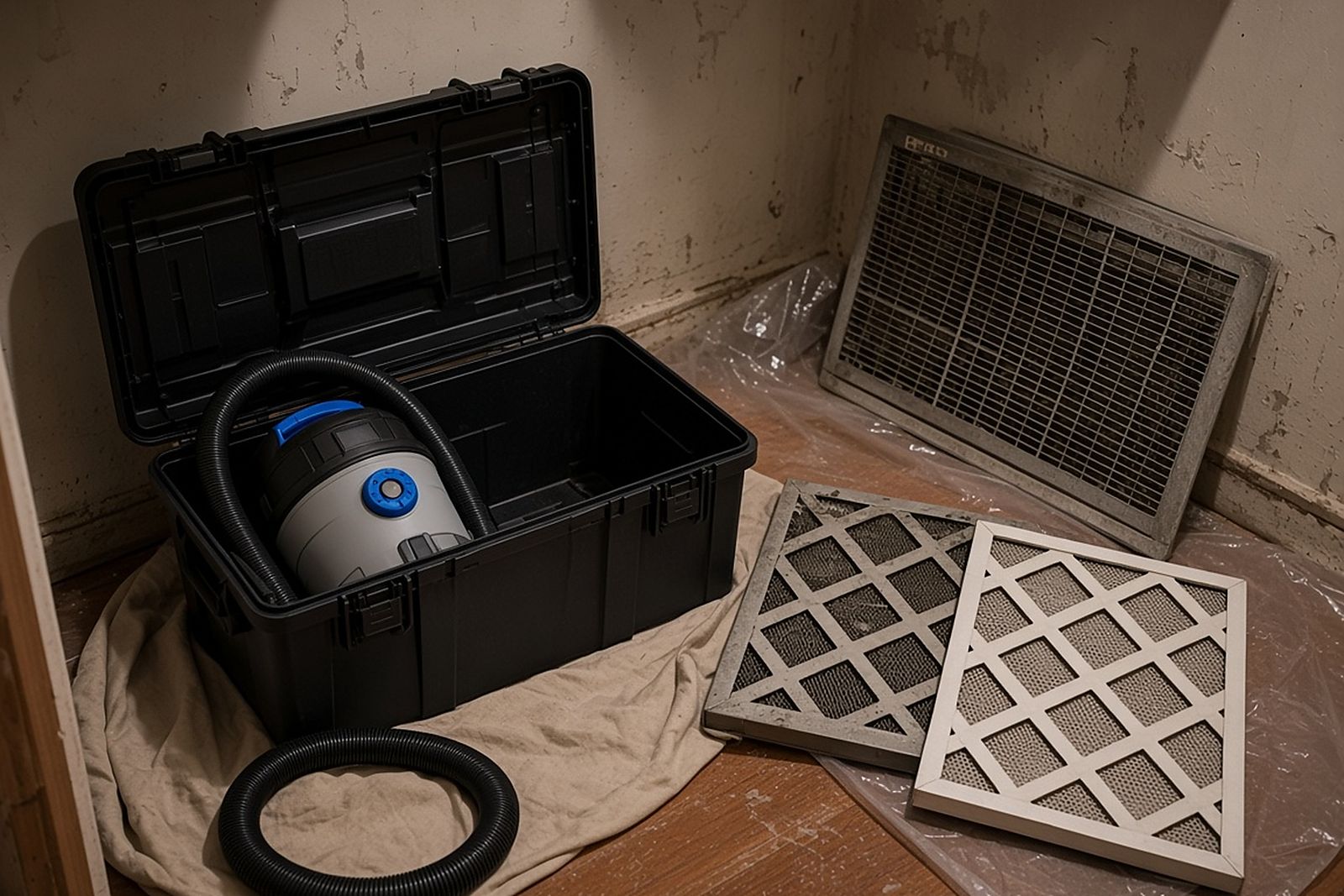
Planning tools
Use planners and checklists that walk you through the first day. They help you judge the risk of doing it yourself and get ready to talk with providers, landlords, and insurers.
Community polls
Compare your experience with other tenants, owners, and managers who dealt with tear gas residue. See which choices they found hardest afterward.
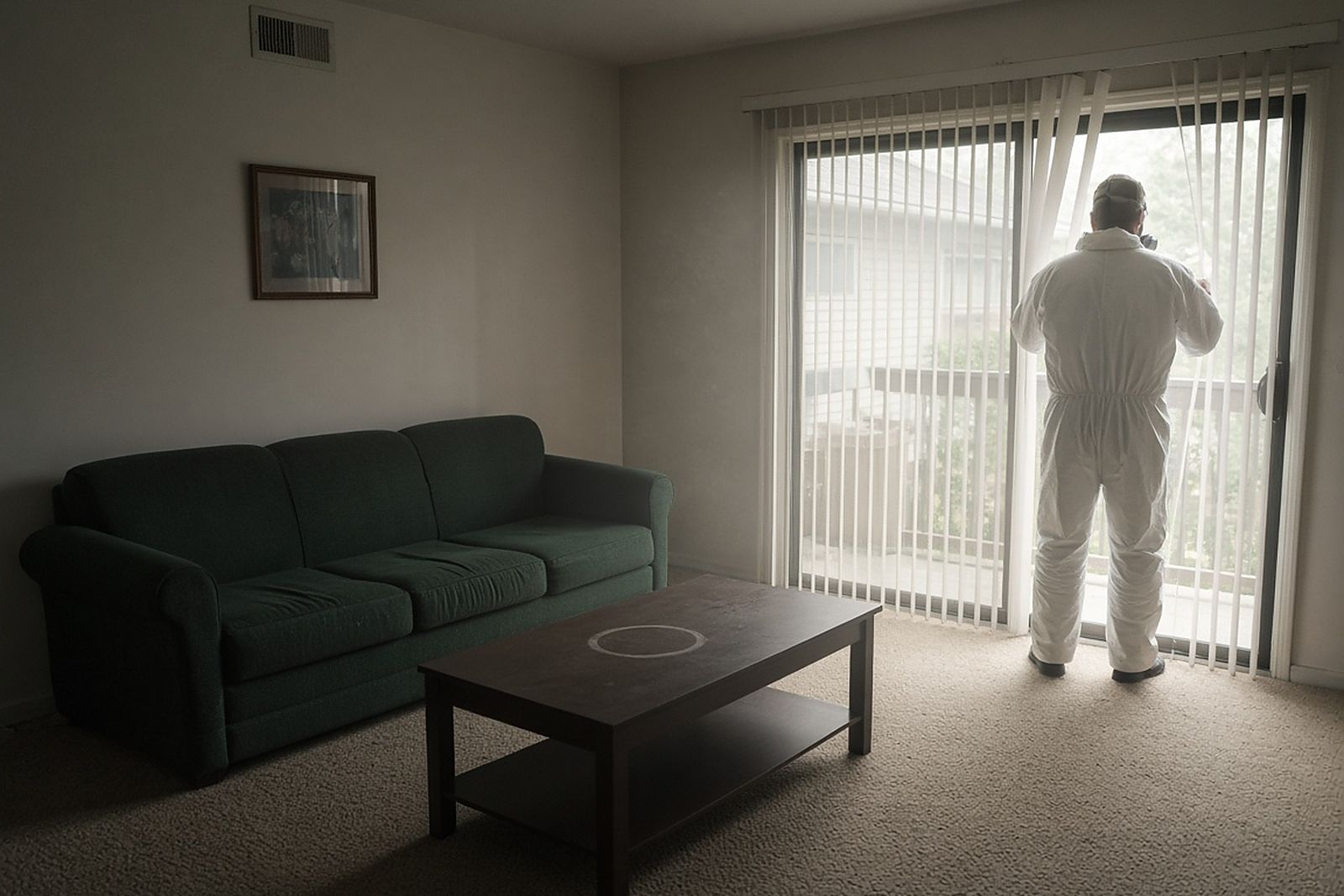
Knowledge quiz
Check what you know about how CS and OC residue behaves, why the air system matters, and what a thorough cleanup and its records should include.
Articles and resources
Read articles on how tear gas acts in buildings, lessons from home and business cleanups, and how cleanup methods keep changing.
Field guides
Read detailed guides on where residue hides, breaking it down versus cleaning it, who does what as landlord or tenant, and what a written cleanup plan should say.