24 polls · live totals

Tear Gas Residue Cleanup poll results

Real visitor votes, updated the moment someone answers. Never padded.

Live totals for every tear gas residue cleanup poll on this site. A poll with only a few votes tells you very little, so treat these numbers as conversation starters and compare them with the sourced figures further down.

Get an email reply about tear gas residue cleanup

Send a short message to the follow-up inbox. A coordinator can reply by email. This form does not send emergency help; call 911 first if anyone is in danger.

Tell us what you need help with. Share a short description; please leave out medical details, access codes, and other sensitive information.

A request does not confirm a booking. For immediate danger, contact local emergency services.

Or email info@prompartybuses.com

0
visitor votes recorded
0/24
polls with at least one vote
No votes yet
most-answered poll

How did tear gas end up in your building?

scenario
  1. Deployed indoors during a police operation0% (0)
  2. Drifted in from a protest or street event outside0% (0)
  3. Carried through shared corridors or HVAC from another unit0% (0)
  4. Accidental discharge of a personal defense spray0% (0)

No votes yet — be the first

What was the first thing you tried to reduce the irritation?

safety
  1. Opened windows and ran fans or the air conditioner0% (0)
  2. Wiped or mopped surfaces with household cleaners0% (0)
  3. Left the building and called for professional help0% (0)
  4. Waited it out without doing anything0% (0)

No votes yet — be the first
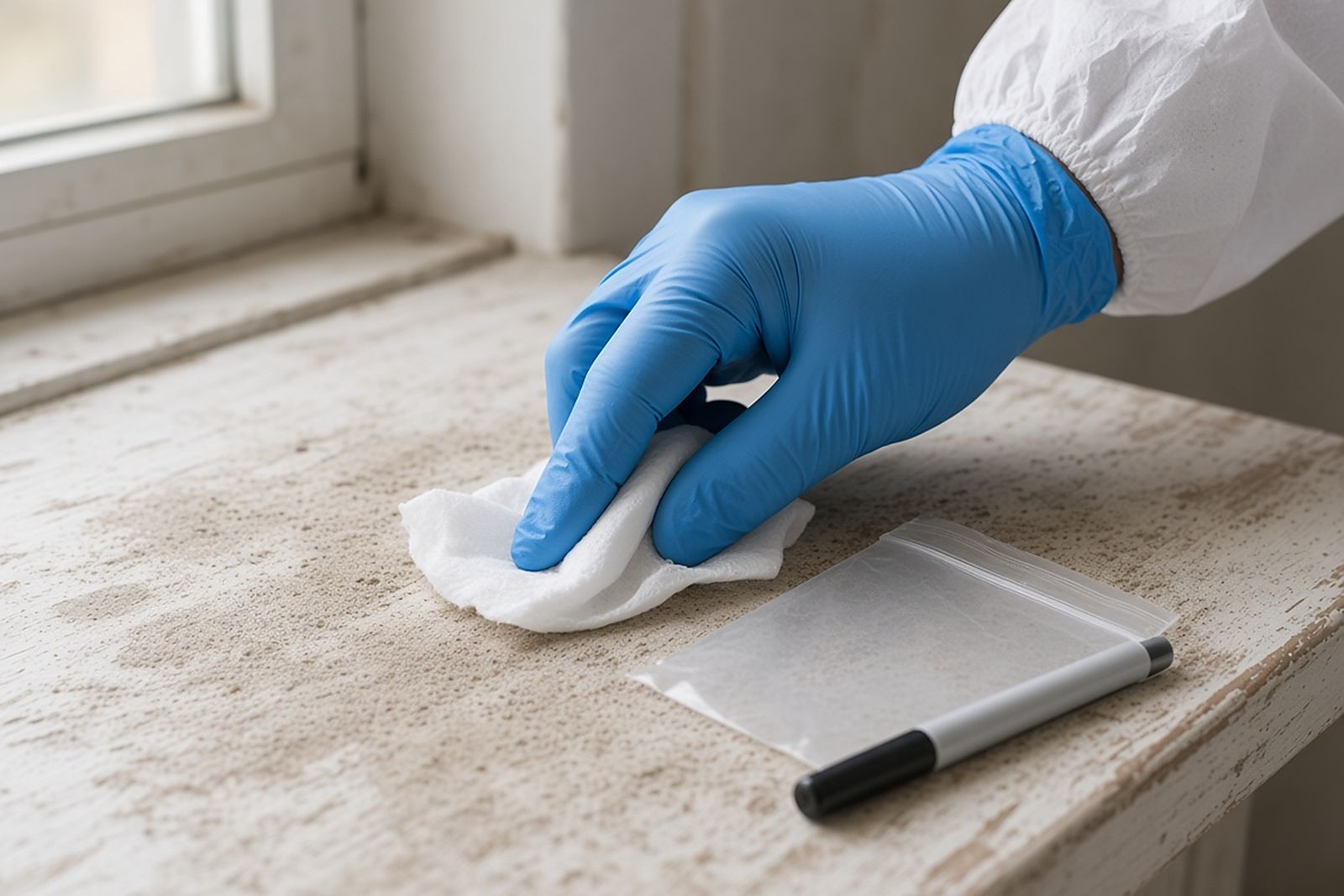
Which part of a professional quote was hardest to understand or accept?

cost
  1. Replacing carpet, couches, or drapes instead of cleaning them0% (0)
  2. Cleaning ductwork and HVAC components0% (0)
  3. Treating rooms that never saw a canister0% (0)
  4. None of it; the scope made sense to me0% (0)

No votes yet — be the first

How clear was it who was responsible for paying for cleanup?

process
  1. Clear from the start; one party accepted responsibility0% (0)
  2. Unclear at first, but resolved through insurance0% (0)
  3. Disputed between landlord, tenant, or agency0% (0)
  4. Still unresolved0% (0)

No votes yet — be the first

How long did irritation continue after the event, in your experience?

general
  1. It faded within a day or so of airing out0% (0)
  2. It kept returning until professional cleaning was done0% (0)
  3. It persisted even after a first round of cleaning0% (0)
  4. I am not sure; symptoms came and went0% (0)

No votes yet — be the first

How well did the providers you called explain their plan for CS or OC residue?

industry
  1. Very well; they explained chemicals and steps without being asked0% (0)
  2. Adequately, once I asked pointed questions0% (0)
  3. Poorly; they treated it like ordinary cleaning or odor work0% (0)
  4. I did not contact a provider0% (0)

No votes yet — be the first

Which belongings were you most reluctant to give up?

scenario
  1. Furniture such as sofas, mattresses, or chairs0% (0)
  2. Clothing and bedding0% (0)
  3. Rugs, carpet, or window coverings0% (0)
  4. I was willing to discard anything that might re-irritate us0% (0)

No votes yet — be the first

What would have helped you most in the first day after the event?

process
  1. Clear guidance on what not to do0% (0)
  2. A way to find out which agent was used0% (0)
  3. Knowing who to call about who pays and insurance0% (0)
  4. Somewhere else to stay while the building was assessed0% (0)

No votes yet — be the first

How did you first learn that residue was still in your home after the event?

safety
  1. My eyes or throat reacted when I went back inside0% (0)
  2. Symptoms started when the heating or cooling came on0% (0)
  3. A family member or pet reacted first0% (0)
  4. A provider or inspector pointed it out0% (0)

No votes yet — be the first

Who in your household worried you most during re-entry?

safety
  1. Young children0% (0)
  2. Someone with asthma or another breathing condition0% (0)
  3. Pets0% (0)
  4. Older adults0% (0)

No votes yet — be the first

How comfortable were you going back inside before cleanup was complete?

safety
  1. Comfortable, with basic precautions0% (0)
  2. Uneasy, but I went in briefly0% (0)
  3. I waited until the crew said it was clear0% (0)
  4. I have not gone back inside yet0% (0)

No votes yet — be the first

Which cost surprised you most during tear gas cleanup?

cost
  1. Replacing soft goods like mattresses and couches0% (0)
  2. HVAC and duct work0% (0)
  3. Temporary housing while the home was closed0% (0)
  4. Repairs to doors, windows or other damage0% (0)

No votes yet — be the first

How did you approach paying for the cleanup?

cost
  1. Mostly through homeowners or renters insurance0% (0)
  2. Through a claim with the agency or city0% (0)
  3. Out of pocket while claims were pending0% (0)
  4. The landlord or building owner handled it0% (0)

No votes yet — be the first

When comparing bids, what mattered most to you?

cost
  1. Total price0% (0)
  2. How clearly the scope explained soft goods and HVAC0% (0)
  3. The company's experience with tear gas0% (0)
  4. How soon they could start0% (0)

No votes yet — be the first

Which step of the cleanup process did you find most confusing?

process
  1. Deciding which belongings to keep or discard0% (0)
  2. Understanding why the HVAC needed attention0% (0)
  3. Knowing when it was safe to move back in0% (0)
  4. Figuring out the order of the work0% (0)

No votes yet — be the first

How involved did you want to be while the crew was working?

process
  1. Daily updates and occasional visits0% (0)
  2. Updates only at major milestones0% (0)
  3. Just the final walkthrough0% (0)
  4. I preferred to let the crew handle everything0% (0)

No votes yet — be the first
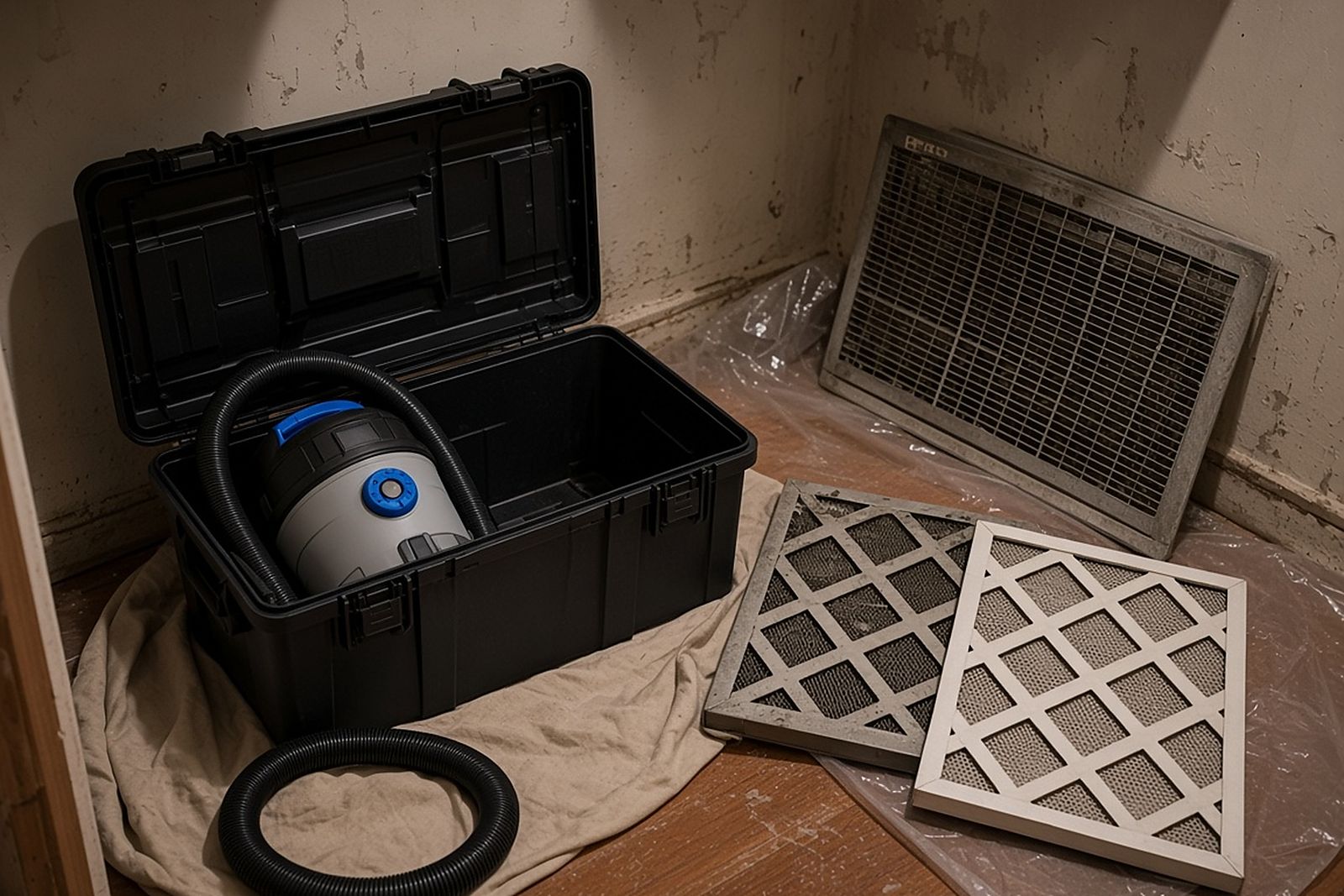
How would you describe the documentation you received at the end of the job?

process
  1. Detailed and useful for claims0% (0)
  2. Adequate, but I had to ask for more0% (0)
  3. Minimal, mostly just an invoice0% (0)
  4. I have not received it yet0% (0)

No votes yet — be the first

What do you think would most improve tear gas cleanup services?

industry
  1. More providers with specific experience0% (0)
  2. Clearer ways to confirm the job is done0% (0)
  3. Better coordination with insurers and agencies0% (0)
  4. More transparent pricing0% (0)

No votes yet — be the first
How did you feel about companies that advertise ozone or fogging for tear gas?

industry
  1. Skeptical from the start0% (0)
  2. Open to it until I learned more0% (0)
  3. I tried it and was disappointed0% (0)
  4. I never came across those offers0% (0)

No votes yet — be the first

Where did you find the provider you ultimately hired?

industry
  1. A referral from my insurer0% (0)
  2. A recommendation from a friend, neighbor or landlord0% (0)
  3. An online search0% (0)
  4. I did not hire a provider0% (0)

No votes yet — be the first

What was the hardest part of the experience overall?

general
  1. The disruption to daily life0% (0)
  2. Dealing with insurance or agency claims0% (0)
  3. Worry about health effects0% (0)
  4. Losing belongings0% (0)

No votes yet — be the first

How much did you know about tear gas residue before this happened?

general
  1. Almost nothing0% (0)
  2. A little from news coverage0% (0)
  3. Some from past exposure or work0% (0)
  4. Quite a lot0% (0)

No votes yet — be the first

If residue reached your home from a neighboring unit, how did you handle it?

scenario
  1. Coordinated cleanup with the neighbor or landlord0% (0)
  2. Arranged my own cleanup separately0% (0)
  3. Waited to see if symptoms faded0% (0)
  4. This did not apply to me0% (0)

No votes yet — be the first

Which space in your home was hardest to get back to normal?

scenario
  1. Bedrooms and bedding0% (0)
  2. The living room and upholstered furniture0% (0)
  3. The kitchen and food storage0% (0)
  4. Closets and stored clothing0% (0)

No votes yet — be the first
Reading these results honestly

A poll is a snapshot of what a self-selected group of visitors chose to say. It is shaped by how the question was worded and by who happened to find the page. It cannot tell you how long CS particles stay active in fabric. It cannot tell you how often air systems spread residue between units, or what share of claims get paid. Those are questions for research, agency guidance, and industry data. Each of those has its own methods and its own limits. When you read a poll result on this site, treat it as the feelings of people who cared enough to respond. For facts about the wider world, look to the sourced figures elsewhere on the page.

Good reading habits are simple. Note how many people responded, since small samples shift with every new vote. Ask whether the options were balanced, or whether one was written to be the obvious choice. Think about who was likely to vote. People who searched for tear gas cleanup help are mostly those already dealing with it, and that colors their answers. Then set the poll beside the sourced facts. Say many people report that airing out the house was enough. But the health advice nearby explains why settled residue keeps irritating people. The gap between those two is where you should slow down and think.

Visitors to this page are not a random sample of everyone who deals with tear gas residue cleanup. People arrive here because they are planning, worried or curious, so the mix of answers can lean toward whoever was searching that week. Watch the vote count under each poll before you draw a conclusion, and compare what people think with the sourced figures below.

Compare opinion with evidence

125 incidents in 40 states + DC

Amnesty International documented 125 incidents of police violence against protesters across 40 states and Washington, D.C. in May and June 2020.

Read with care: Documented incidents only; not every incident involved tear gas.

Source: Amnesty International (2020)United States, May 26–June 5, 2020 protest period

45,000 raids/year

Criminologist Peter Kraska's surveys, cited by the ACLU, estimate SWAT raids grew from about 3,000 per year in the 1980s to 45,000 per year by the mid-2000s.

Read with care: Survey-based estimate; there is no official national count of SWAT deployments.

Source: ACLU (citing Kraska) (2014)United States, 1980s to mid-2000s

4-15%

The American Psychiatric Association estimates that 4% to 15% of bereaved adults experience prolonged grief disorder, diagnosable 12 months after a loss.

Read with care: Range reflects differing study populations and criteria.

Source: American Psychiatric Association (2024)Bereaved adults, APA patient information

These figures are public research and agency data, not this network's own job records. Keep each number with its population, year and limits; none of them predicts cost, timing or outcome at a specific property.

Questions about these results

How are the poll results counted?

Each vote adds to the total for the option chosen. The results show how answers are spread across the options. They reflect only people who chose to answer. So they are not a scientific survey of everyone affected by tear gas. Treat them as a snapshot of the experiences and opinions shared by visitors to this site, not a measure of what is typical.

Why do the tear gas poll numbers move between visits?

Totals update as more visitors vote, so the percentages shift over time. Polls with few responses swing the most and tend to settle as more people answer. A local incident involving chemical irritants can bring a wave of new visitors with different experiences, which may move the numbers again.

Can I browse how others handled residue before casting my own vote?

You can view results after voting, and the results page may also be browsed directly. Looking at results does not add a vote. If you want your own experience with residue or cleanup counted fairly, consider voting before you look so other answers do not sway yours.

Is my vote anonymous?

Polls are designed to collect answers without asking for your name or contact details. Your vote is combined with others and shown only as part of the totals. Avoid entering personal information anywhere in a poll. If you have concerns about how site data is handled, review the site's privacy policy for details on what is stored and why.

Should the most common answer decide what I do about my furniture or ductwork?

No. Results can show that others faced similar choices and point out questions you had not considered, such as whether people replaced soft goods or who paid for cleanup. The most popular answer may not fit your home. Base decisions on your building, your household's health, and a qualified provider's inspection.

Can the results show whether residue is still in my home?

No. Polls cannot tell you whether irritant residue remains, how much cleanup will cost, whether insurance will pay, or which provider to hire. They cannot account for the agent used, whether the HVAC ran during exposure, or who lives in your home. For those answers, rely on an inspection, a written scope, and your policy.

Can I vote more than once or change my vote?

Polls are meant to capture one response per visitor so results stay meaningful. Voting repeatedly can distort the picture for everyone else. If you answered quickly and would now choose differently, remember the results are a rough snapshot anyway. Your honest first-hand experience is the most helpful contribution you can make.