Short answer
Watch for a plan that relies only on airing out, ozone or fogging. Watch for a company that never asks whether CS, OC or another agent was used, or has no plan for your ducts and soft items. Other red flags are crews without breathing protection and a quote given without an inspection. The last is no clear way to judge the job done, such as a walkthrough before you move back or a return visit if symptoms come back.
Why tear gas cleanup is so easy to get wrong
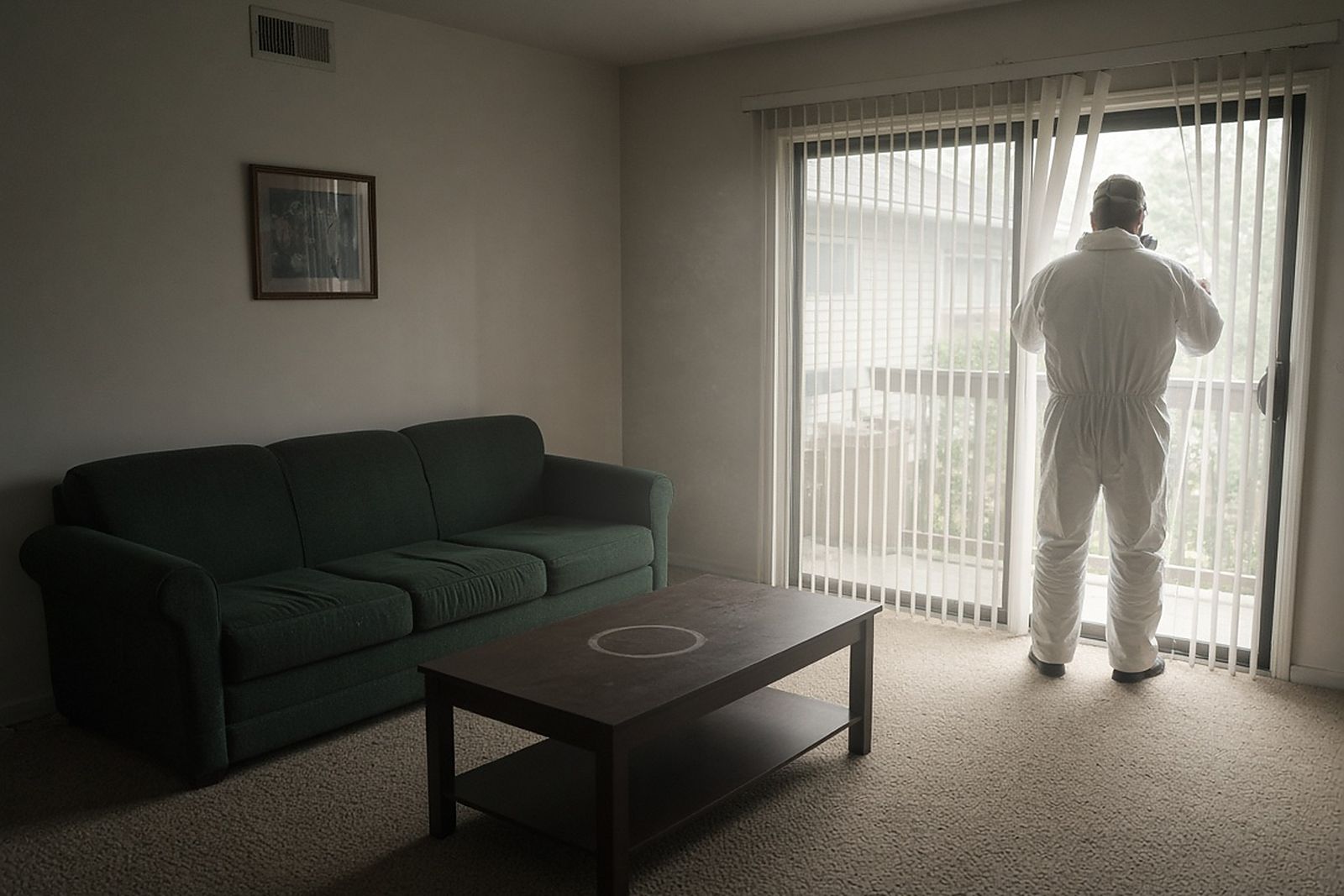
After a police standoff, a forced entry or a nearby protest, your building can look perfectly normal. It can still make people cough, tear up and itch. Riot-control agents are made to irritate at very low levels. They leave a fine powder or oily film. It settles into carpet, padded furniture, curtains, ceiling materials and the inside of your heating and cooling system.
You often cannot see the residue. So many contractors treat the job as ordinary cleaning. They vacuum, wipe a few surfaces, run fans and leave. Days later, the furnace kicks on or someone sits on the couch, and the burning starts again.
To choose well, learn to spot the promises and the gaps that show a contractor does not understand how these agents act indoors. The warning signs below come up again and again.
You may also be dealing with broken windows, a damaged door and the shock of having your home turned into a police scene. It is normal to want the first company that answers to take over everything. A short pause to ask the right questions can save you from paying twice.
Red flag: nobody asks which agent was used
Several different chemicals are called tear gas. CS is the most widely used. It spreads as fine, crystal-like dust. OC is the active part of pepper spray. It is an oil-based resin that clings to fabric and to surfaces your skin touches. CN is an older agent that acts in some ways like CS.
These agents respond to cleaning in different ways. CS is usually washed with mildly alkaline cleaners, the opposite of acidic, that help break it down. OC is oily and may call for products that cut grease.
A qualified company will ask you what was used. It will ask whether canisters or grenades went off indoors, how many and in which rooms. If you do not know, they may suggest you ask the agency that responded or check any incident paperwork you were given. A contractor who never raises the question is likely planning one standard cleaning for every job. That may not fit your building.
Red flag: airing out, ozone or fogging, and no duct plan
Fresh air is useful in the first hours after the gas is used, and it protects people going into the space. It is not a way to clean up. Opening windows removes what is floating in the air at that moment. It does nothing to the residue that has already settled.
Be careful with any contractor whose main tool is an ozone machine or a fogger. These devices can change odors and may play a small supporting role. But they do not physically remove dusty or oily residue from your fibers and surfaces. Ozone can also damage rubber, some plastics and certain fabrics. It must not be used while people or pets are present.
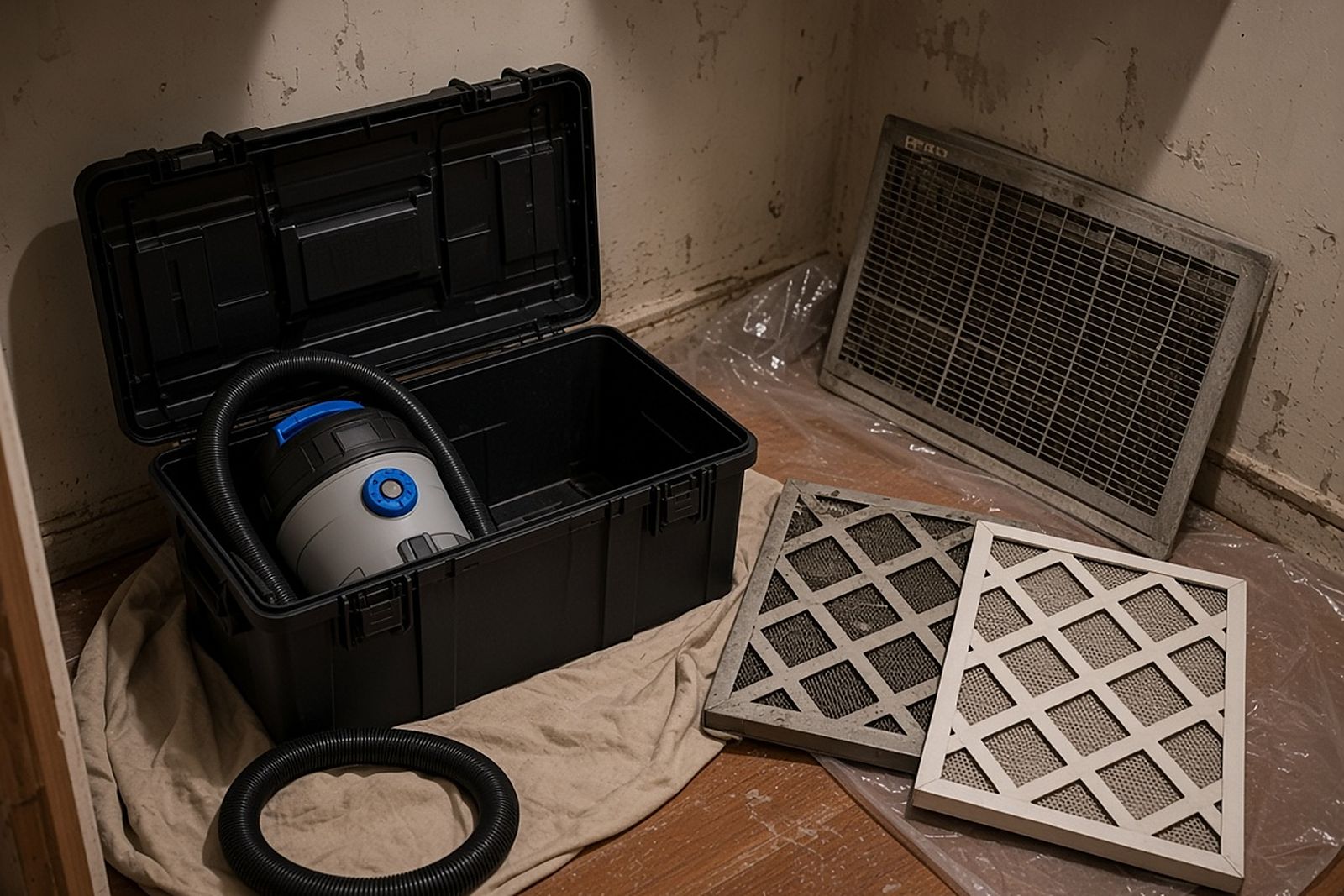
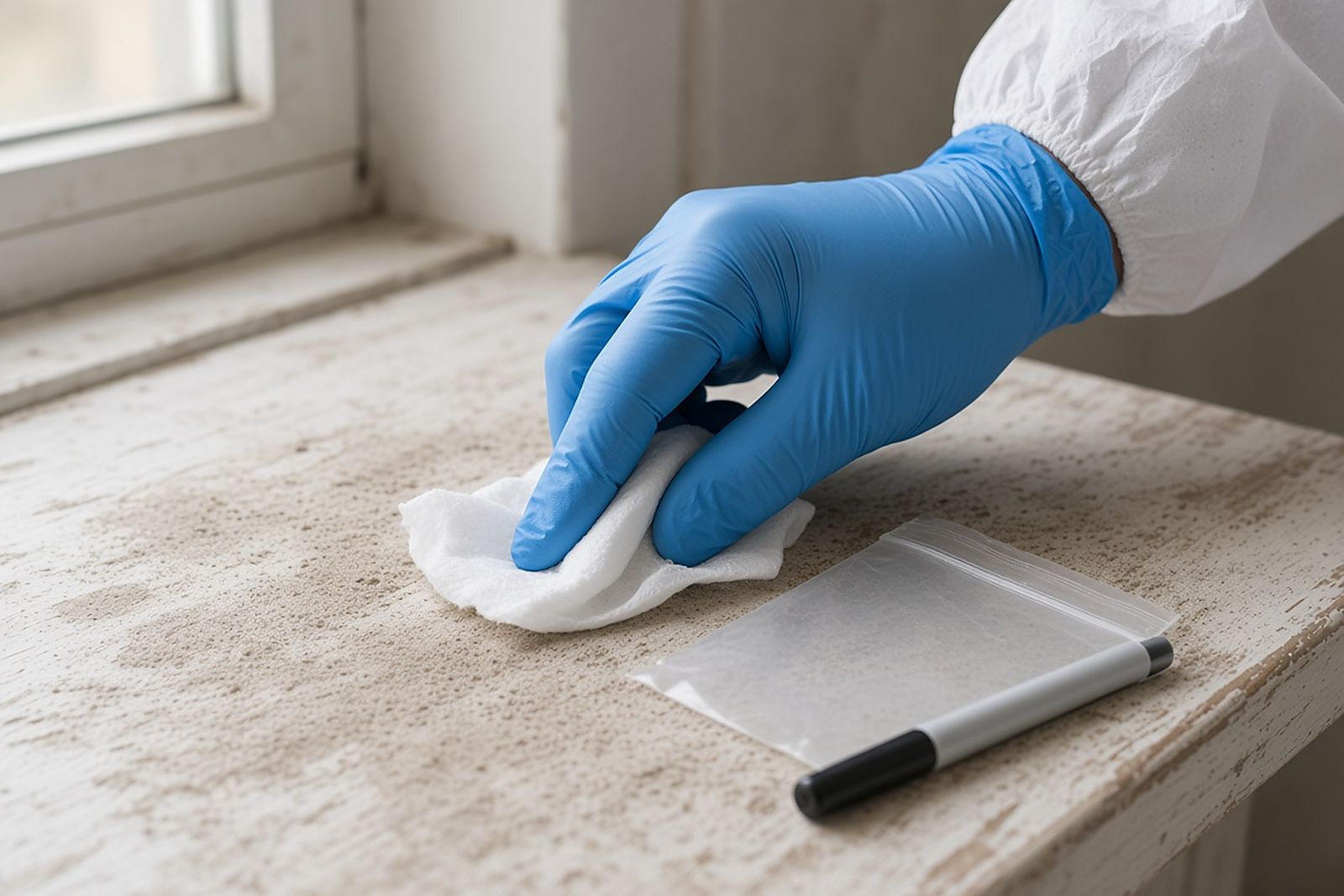
A real plan includes physical removal. That means HEPA vacuuming, with a very fine filter, and washing surfaces with the right products. It means deciding which soft items can be cleaned and which must go. It means attention to the places residue hides. If those steps are missing, the plan is not complete.
Also doubt a contractor who tells you to wash every fabric item at home in a standard machine. Heavily exposed clothing and linens can spread residue into your washer and onto other laundry. A careful company will explain how it handles those items or what it advises you to do with them.
Your heating and cooling system is one of the most common reasons tear gas problems come back. When canisters go off indoors, the air handler may pull dirty air in through the return vents. It then pushes that air through the supply ducts to rooms the gas never reached directly. Residue collects on the filters, the coils and the inside of the ducts.
A contractor who offers to clean the rooms but not the air system is setting you up for symptoms that keep returning. Ask plainly whether the plan includes replacing filters, cleaning vent covers, and inspecting or cleaning the ducts and air handler. Ask whether the same crew will do that work or a separate duct contractor will. Ask how the two will work together.
The contractor may say you can simply run the system on high for a few days to clear it out. That is a strong warning sign. Running the system spreads residue further.
Red flag: safety shortcuts, phone quotes and thin paperwork
The people cleaning your home will be stirring up residue on purpose. Federal exposure limits for CS are set very low. That is why breathing, eye and skin protection matter for crews.
Some workers show up in street clothes and dust masks. Some companies say protection is not really needed once the gas has cleared. Either way, the company is not taking the hazard seriously. That attitude tends to carry over into the rest of the work.
Ask what respirators, eye protection and protective clothing the crew will wear. Ask how they will keep residue from spreading to your clean rooms and how they will handle contaminated waste. Clear answers show a company has done this before.
Good crews also think about people who are not in the room. They will explain how they protect your neighbors in a shared building. They will explain how they keep dirty debris from being tracked into hallways.
Tear gas cleanups vary widely in size. One canister in a single room is a different job from several set off through a multi-story home with a shared air system. A reliable estimate usually depends on a walkthrough.
Watch for these problems before you sign:
- A firm total given over the phone before anyone has seen your building or asked about the heating and cooling system.
- No breakdown that separates surface cleaning, soft item handling, heating and cooling work and disposal.
- No written list of which items will be cleaned, which will be thrown out and who decides.
- A claim that the city or police department will surely pay, made before anyone has confirmed it.
- Demands for full payment before work begins, or payment only in cash.
- No word on how the job will be judged complete or what happens if your symptoms return.
Two quotes for the same house
Here is a blend of a choice many families face. A police tactical team fires several CS canisters into a house during a standoff with a person who does not live there. The homeowners return the next day. The building looks mostly intact, but it makes their eyes stream within minutes.
The first company they call offers to open all the windows, run an ozone machine for two days, vacuum the carpet and shampoo the couches. The representative does not ask what agent was used. He says to run the furnace on high to flush it out.
The second company asks which rooms were hit, how many canisters were used and whether the furnace was running at the time. It proposes HEPA vacuuming and alkaline surface washing. It will remove heavily exposed soft items after going over them with the family. It will replace the filter and clean the ducts. It will walk through with the family before they move back. It also offers to return if the irritation comes back within an agreed period.
The second approach costs more up front. It is also the only one built around how CS really acts in a house.
Before you sign: how will the work be judged complete?
There is no single lab test that every tear gas job uses to prove a home is clear. So agree ahead of time on how the work will be judged complete. That might include a recorded walkthrough, a symptom check by the people who will live or work there and photos of the cleaned areas.
Ask what happens if eye or throat irritation returns after your family moves back in. A confident company will usually describe how it comes back, finds the missed areas and deals with them. Be wary of a company that will not discuss the idea. Be wary, too, if it says any return visit will be billed at full price whatever the cause. It may not trust its own methods.
Ask what records you will get. Photos, a written work plan, a list of items thrown out and disposal receipts can all help with insurance or a claim against whoever is responsible.
Collect at least two estimates from companies that have inspected your building. Compare them on process, not just price. Look at how each finds out the agent, its removal methods and its plan for the heating and cooling system. Look at how soft items are decided, the safety gear and how the job is judged complete.
Keep a record of the damage and the cleanup. Include photos, receipts and any incident report number from the agency that responded. Whether you can get your costs back depends on your insurance policy, local law and the facts of the event. Outcomes vary widely. Ask your insurer, and the agency's claims office, what each will need from you.
If anyone in your home has ongoing breathing problems, eye pain or sore skin, talk with a health professional. Cleanup and medical care are separate needs, and both matter.