Short answer
Tear gas residue cleanup used to mean opening windows, vacuuming and hoping symptoms faded. As tactical deployments into homes and protest-related exposures became more common, practice shifted toward identifying the agent, using chemistry suited to CS or OC, treating HVAC systems, making careful soft-goods decisions, protecting workers with respirators and producing documentation that supports insurance and damage claims.
Airing out and waiting: how residue used to be handled
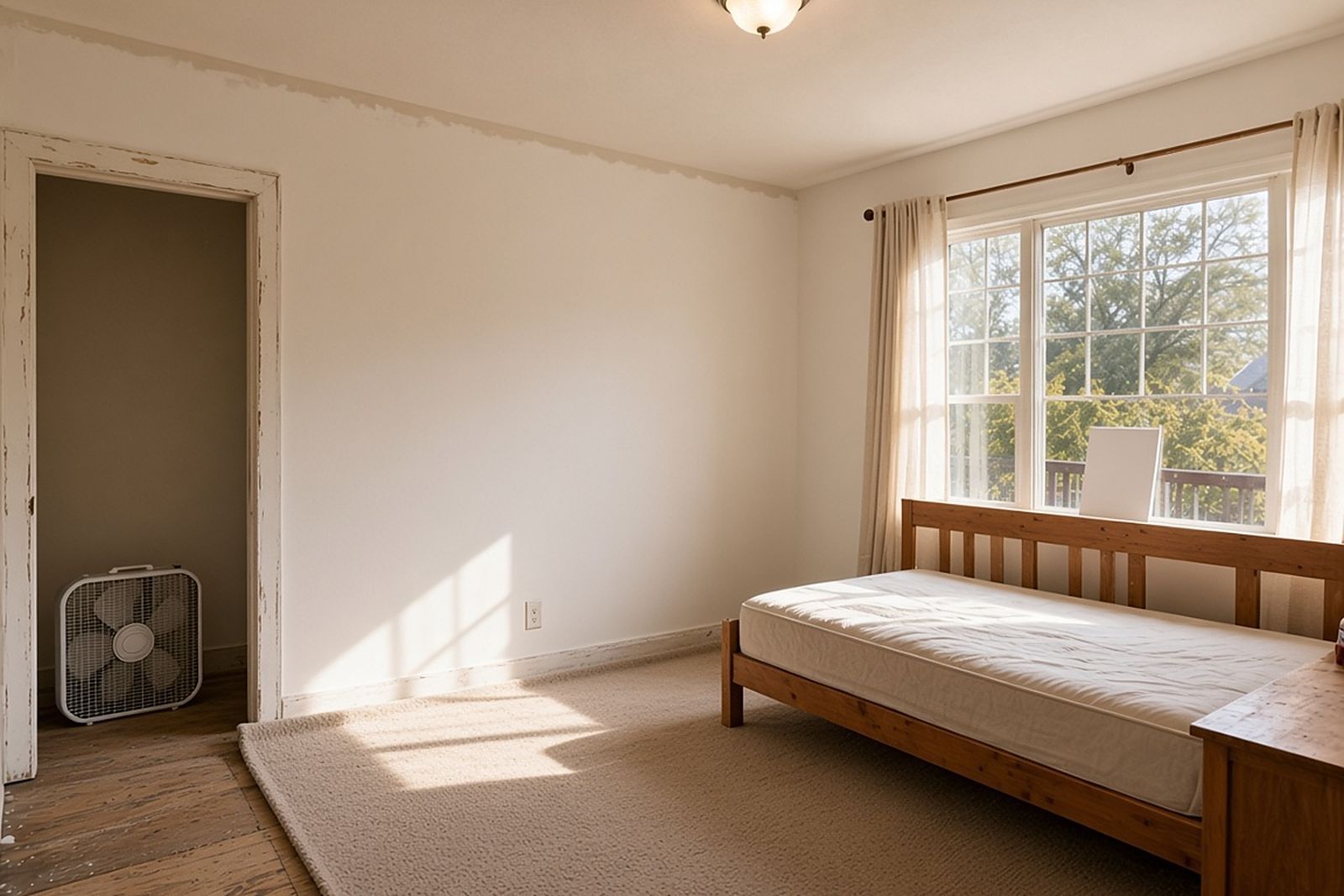
For much of its history, tear gas was thought of as an outdoor tool for crowd control. When it did end up inside a building, cleanup was usually improvised. Owners were told to air the place out, wash what they could and wait for the smell and irritation to fade.
Those instructions were not entirely wrong. Ventilation reduces what is floating in the air, and washing removes some residue. But they missed how riot-control agents behave indoors. Fine CS particles and oily OC residue settle into carpet, upholstery, drapes, porous ceiling tiles and air ducts, where they can be stirred up again for a long time.
Many families found that their eyes burned every time they sat on the couch or turned on the heat. Without a clear explanation, those lingering symptoms were often dismissed or blamed on something else.
Damage from the deployment itself often took priority. Broken windows, splintered doors and holes where canisters punched through walls or ceilings were obvious and got repaired first. The invisible residue, which caused most of the ongoing discomfort, was the part most likely to be overlooked.
Why did indoor deployments become more common?
One major driver was the growth of police tactical operations inside private homes. The ACLU, citing surveys by criminologist Peter Kraska in a 2014 report, estimated that SWAT raids grew from about 3,000 per year in the 1980s to 45,000 per year by the mid-2000s. Not every raid involves chemical agents, but tear gas is a common tool during standoffs and barricade situations, and canisters are often fired directly into buildings.
Protests have also brought tear gas close to homes and businesses. Amnesty International recorded 89 uses of tear gas in 34 states between May 26 and June 5, 2020, in a 2020 report on law enforcement responses to protests. Gas drifted into apartments, shops and offices along protest routes, and some buildings were struck directly.
As more owners, tenants and businesses faced residue inside their spaces, demand grew for cleanup that actually worked, and restoration and remediation companies began to treat tear gas as its own category of job.
Businesses on commercial streets learned the same lesson. Restaurants, shops and offices near protest areas found residue on counters, merchandise and ventilation equipment. Food businesses in particular needed to think about health department expectations before reopening, which brought another layer of seriousness to the cleanup.
How chemistry changed the cleanup
Early cleanups often used whatever products were on hand, such as general-purpose cleaners, dish soap or water alone. Over time, practitioners learned that the agent matters.
CS, the most common tear gas, is a crystalline solid dispersed as a fine powder or aerosol. It breaks down more quickly under alkaline conditions, which led many crews to adopt alkaline cleaning solutions for hard surfaces. OC, the active ingredient in pepper spray, is an oily resin that tends to respond better to degreasing chemistry. CN, an older agent, required its own considerations.
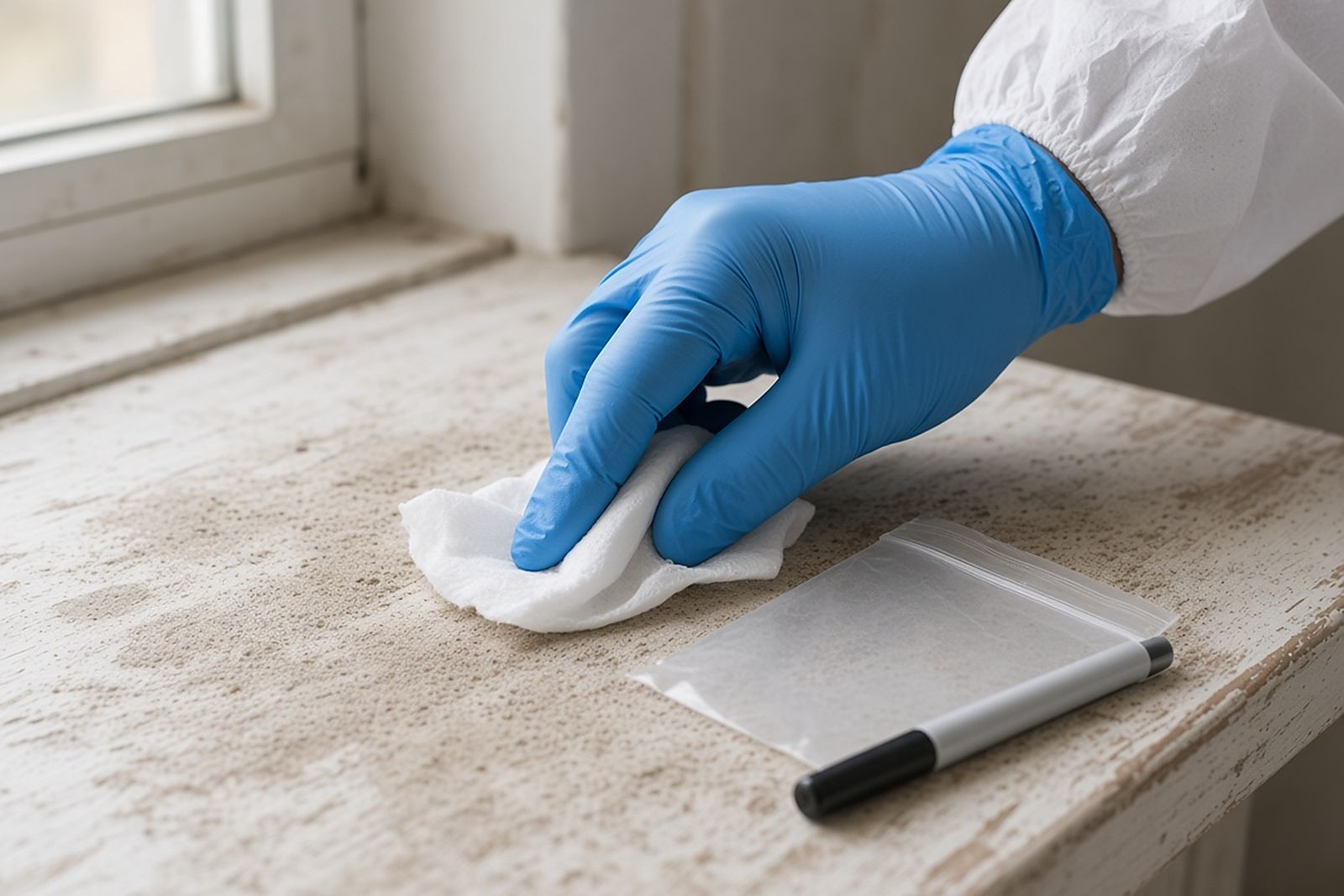
That understanding pushed better companies to ask what was deployed before planning the job, to test products on delicate surfaces and to adjust methods to the materials in each room. It also made clear why simply wiping surfaces with water could smear or spread residue rather than remove it.
Crews also became more aware of how cleaning itself can spread contamination. Dry dusting or sweeping can put fine CS particles back in the air, and carrying contaminated rags or vacuum bags through clean rooms can move residue into new areas. Better companies built their workflow around capturing residue first and moving from the least to the most contaminated spaces in a controlled way.
HVAC joins the scope, and other shifts in practice
One of the most important lessons came from recurring complaints. Families whose homes had been cleaned would report that symptoms returned when the heating or cooling system turned on. Investigation often found residue on filters, in return ducts and on coils and blower components.
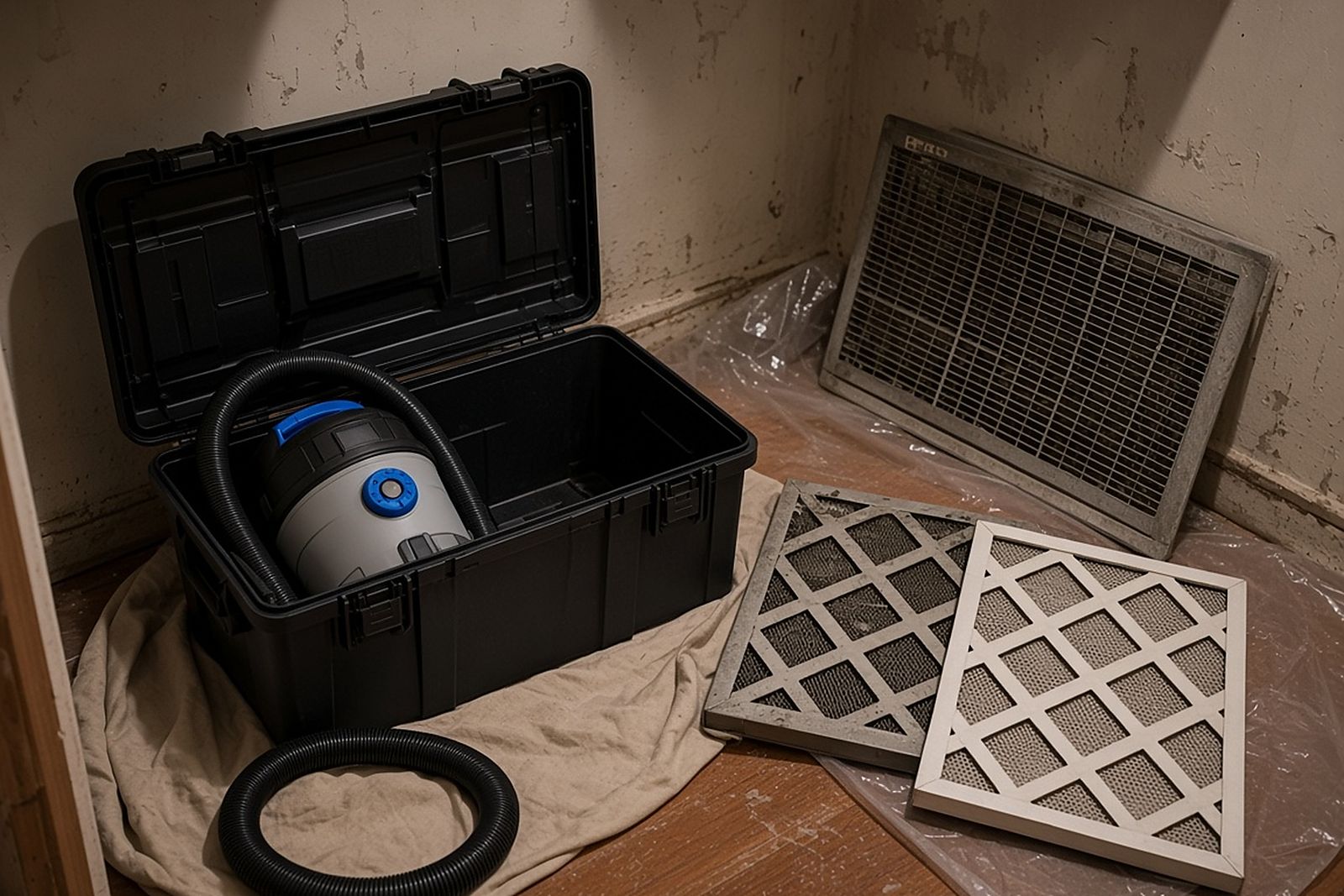
That realization turned the HVAC system into a standard part of the scope. Modern practice commonly includes replacing filters, cleaning registers and grilles, cleaning ducts and inspecting or cleaning the air handler. In buildings with shared systems, attention extends to units that were never directly exposed.
Coordination became a skill in its own right. Remediation crews learned to work with duct-cleaning contractors, sequence the work so cleaned ducts were not recontaminated, and keep the system off until it had been addressed.
Some owners also learned the hard way that portable air purifiers, while useful, do not replace duct cleaning. A purifier can capture particles floating in one room, but it cannot reach residue coating the inside of a supply trunk or a coil deep inside the air handler.
As the field matured, several practices became standard for well-run companies:
- Identifying the agent and deployment details before planning, where that information is available.
- HEPA vacuuming of surfaces and soft goods before wet cleaning, to capture loose particles.
- Room-by-room decisions about which fabrics, mattresses and upholstered items can be cleaned and which should be discarded.
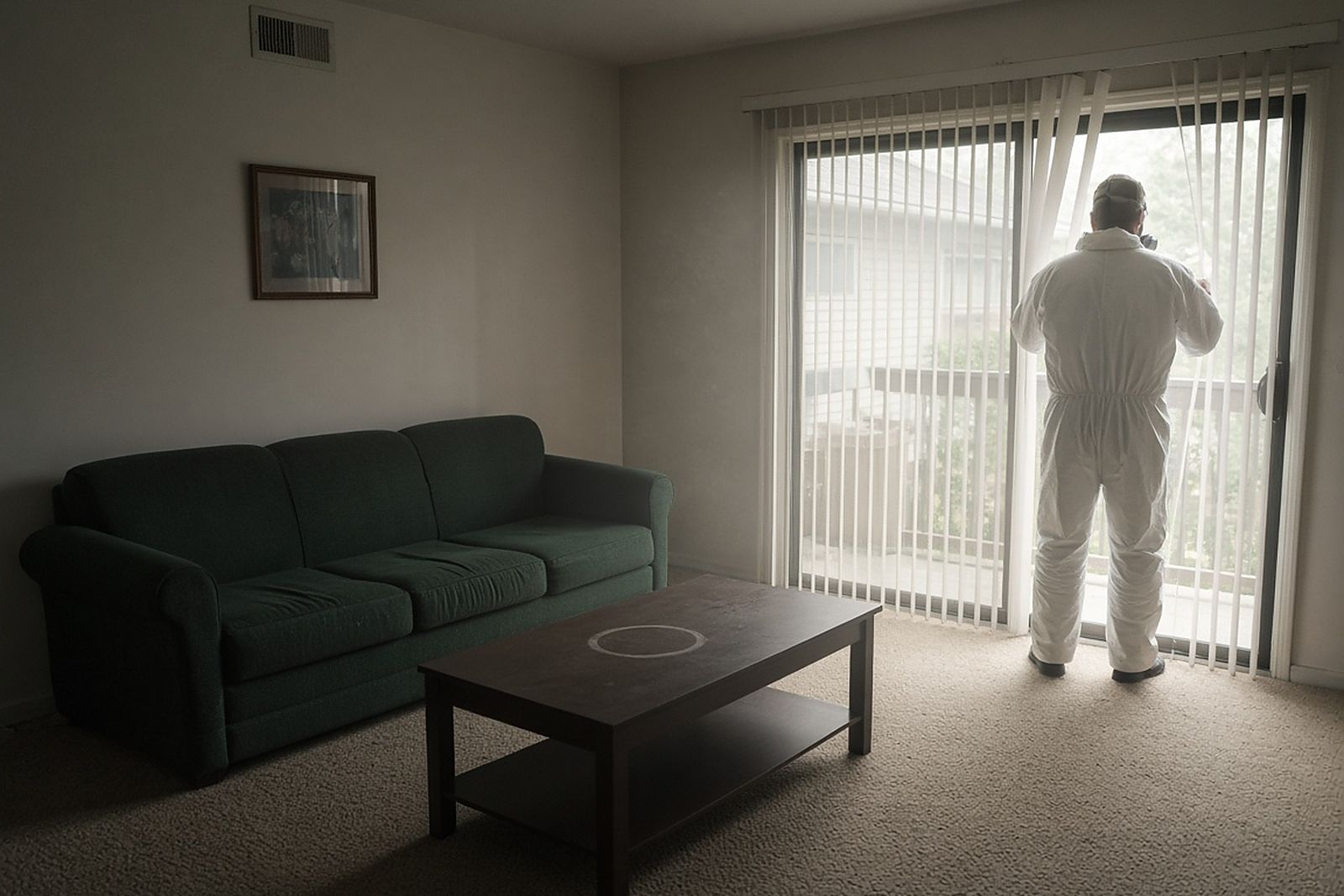
- Respiratory, eye and skin protection for crews, often with fit-tested respirators.
- Containment to keep residue from spreading into unaffected areas or neighboring units.
- A re-occupancy walkthrough and a plan for follow-up if irritation returns.
Why documentation became so important
Tear gas damage often involves questions of who pays. Owners may turn to their insurers, to the agency that deployed the gas or to the person whose actions led to the deployment. Each of those paths depends on evidence.
Over time, cleanup companies learned that thorough records were part of the service. Photos, itemized lists of discarded goods, descriptions of HVAC work and invoices tied to specific tasks help adjusters, attorneys and agencies understand what happened and why each step was necessary.
Outcomes still vary widely. Some owners recover most of their costs; others recover little. An attorney, or the deploying agency's claims office, can explain what claims might be available and what deadlines apply. Strong documentation does not guarantee reimbursement, but weak documentation makes it much harder.
Tenants became part of this picture too. In multi-unit buildings, renters often need records to support requests for rent abatement, reimbursement of replaced belongings or a temporary move. Companies that provide clear, unit-by-unit documentation make those conversations easier for tenants and landlords alike.
Open challenges, and what this history means for you
There is still no widely used laboratory clearance standard for tear gas residue in homes, unlike some other types of contamination. That makes it harder for owners to know when a job is truly finished and puts more weight on walkthroughs, symptom checks and documentation.
Research on long-term residue behavior in buildings is limited compared with research on outdoor exposure. Much of what practitioners know comes from field experience and chemistry rather than controlled indoor studies.
Public awareness is also uneven. Many owners still receive the old advice to air out and wash. Better public information, from agencies and cleanup companies alike, would help families avoid repeated exposure.
Worker protection remains a concern as well. Because demand for this work can spike suddenly after a large protest or incident, companies may be tempted to send crews without proper respirator fit testing or training. Owners who ask about protective equipment help reinforce the standard that responsible companies already follow.
Knowing how the field has changed helps you recognize outdated advice. If someone tells you that airing out the building is enough, or suggests running the HVAC system to flush it clean, you are hearing an approach that experience has shown does not work well.
Look for a company that asks about the agent, plans for the HVAC system, protects its workers, makes careful decisions about soft goods and documents everything. Ask what happens if symptoms return after re-occupancy.
Most of all, trust your body's signals. If irritation keeps coming back in certain rooms or when the air system runs, that is useful information, and a modern cleanup company should take it seriously.