Short answer
Tear gas (CS) and pepper spray (OC) residue act the same way in a house and a business. The cleanup plan does not look the same. In a home you deal with bedding, clothing, one furnace and a family that has to stay elsewhere. A business adds rooftop or multi-zone air systems, stock, duties to keep employees safe, food rules and pressure to reopen. A good company fits the order of work and the records to your setting.
Where the residue ends up: homes versus businesses
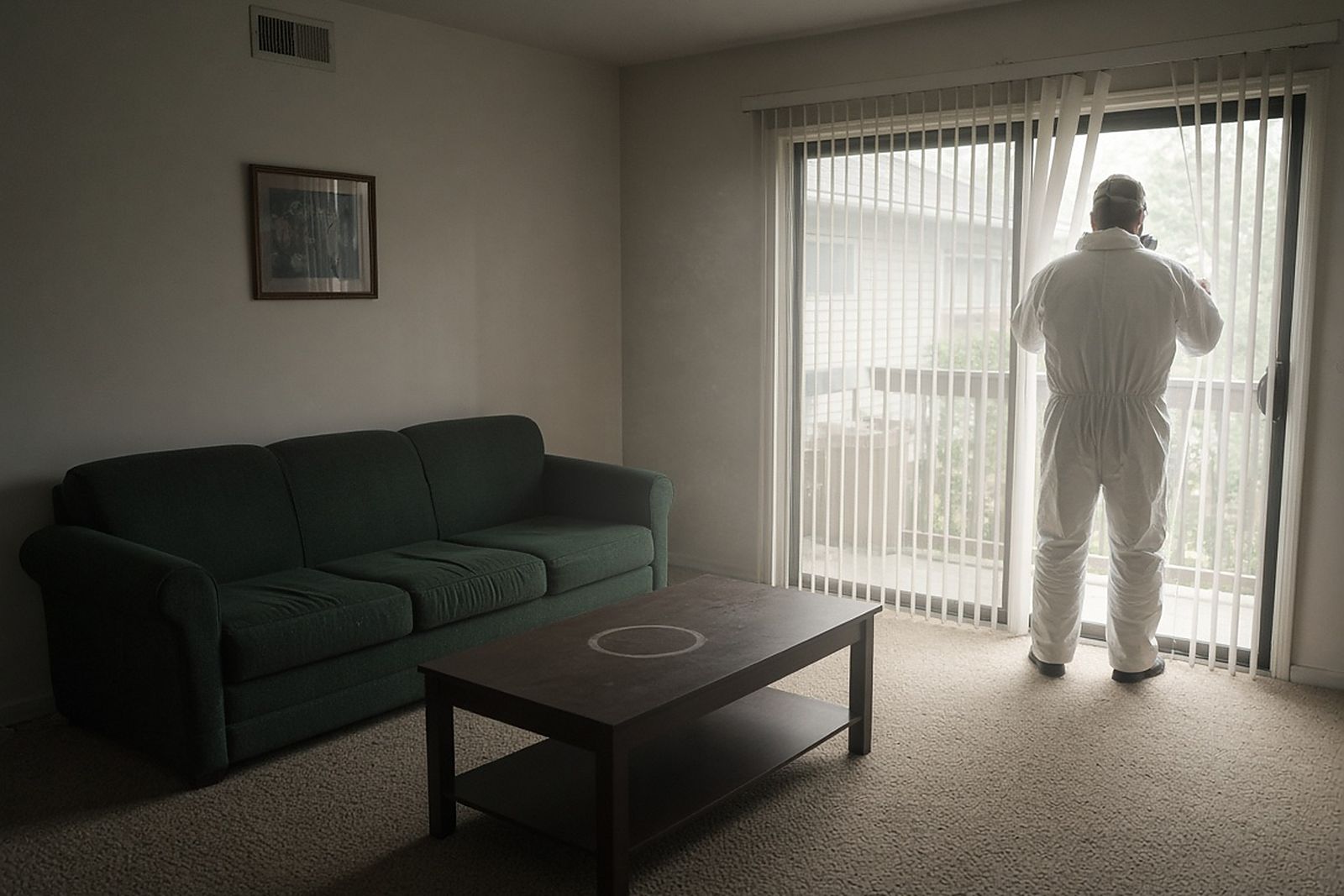
In homes, the gas most often comes from police action at one address. A standoff or a high-risk warrant are common examples. Canisters or projectiles are fired into a house or apartment. Most of the residue stays inside that one home, with some spread to the neighbors.
In a business, the gas often comes from outside. Shops, restaurants, offices and lobbies near protests or crowd control can take in gas through open doors, broken windows or outdoor air intakes. Amnesty International recorded 89 uses of tear gas in 34 states between May 26 and June 5, 2020, in its 2020 report on protest policing. Many downtown businesses dealt with this kind of drift in that period.
The source matters because it shapes where the residue lies. Gas fired inside tends to leave heavy deposits near where the canisters landed and lighter residue elsewhere. Gas that drifts in tends to leave a thinner layer. You find it across the entry areas and on whatever the air system pulled inside.
A commercial air system makes the job bigger
A typical house has one furnace or air handler, a filter slot and ducts that run to each room. That system can often be shut down, inspected and cleaned in a day as part of a larger job.
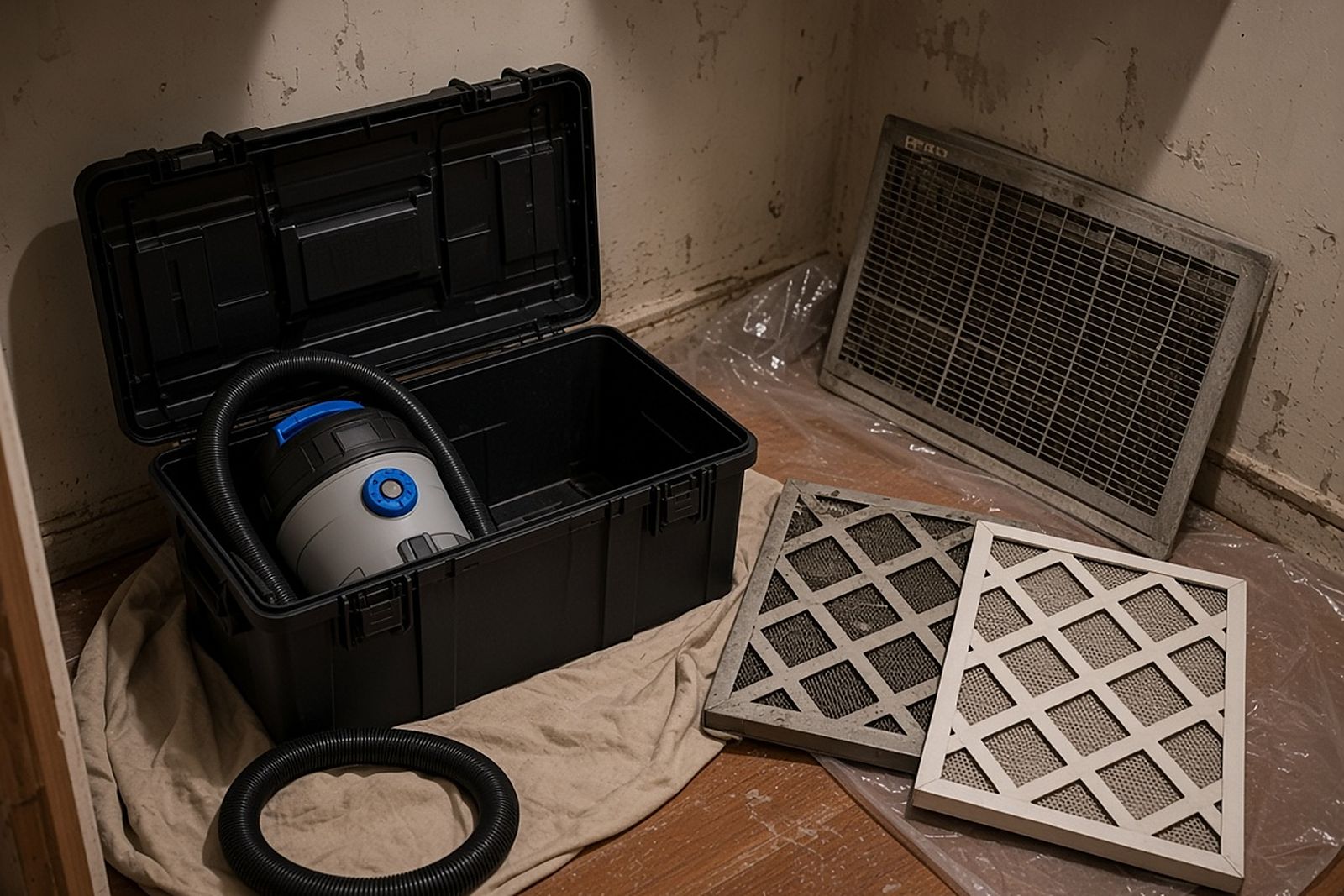
Your shop or office building is likely more complex. It may have rooftop units, several zones and boxes that control the airflow to each zone. It may have economizers, which are parts that bring in outside air. It may have open space above a drop ceiling that carries air back to the unit, and kitchen exhaust hoods. Each one adds paths and surfaces where residue can settle. One office floor may even share air with other tenants.
A good work plan for a business names each unit and zone that could have carried residue. It says which ones were running during the event. It explains how each will be inspected and cleaned. Ceiling tiles in that return air space often hold residue and may need to be replaced. Your building engineers or a mechanical contractor often need to work side by side with the cleanup crew.
In a house, the crew can usually reach the ducts through the vents and the air handler. In your business, some ducts sit above hard ceilings or inside shafts. The plan should say plainly which sections the crew can reach and which will be checked some other way.
Stock, supplies and what a business owns
In a home, the choices about soft items are about clothing, bedding, padded furniture, curtains and personal things. These choices touch your feelings as well as your wallet. A good company gives you and your family time to decide what to keep.
In a business, your questions are about stock and equipment. A clothing store may have racks of garments that soaked up residue. A restaurant has open food, linens and absorbent prep surfaces. An office has fabric chairs, cubicle panels and paper records.
- Packaged goods in sealed packaging that does not absorb can often be wiped and kept.
- Open food, ingredients and anything in absorbent packaging that was exposed is usually thrown out.
- Clothing and fabrics for sale may be laundered, professionally cleaned or written off. Check with your insurer before you choose.
- Fabric seats and cubicle panels are cleaned when the residue is light. They are replaced when the irritation is still there after cleaning.
- Electronics are wiped on the outside. A good company will explain any worry about residue pulled into the cooling fans.
- Paper records are handled gently so dust does not spread. You may want to copy important papers and bag the originals.
What extra duties do you have as a business owner?
As an employer, you are responsible for protecting your workers from known hazards. CS is a known workplace hazard with published exposure limits.
In plain terms, do not send your staff in to clean up after tear gas unless they are trained and equipped for chemical exposure. Hold off on normal business until the space has been cleaned and checked. After you reopen, listen closely to any employee who reports burning eyes, a cough or sore skin.
Food businesses and some regulated sites may need a green light from the health department or a licensing agency before they reopen. Call the food program at your county or city health department, or call your licensing agency. Ask whether your type of business needs an inspection or a notice before you reopen.
Time pressure in each setting
You and your family want to get home, and that urge is real. Still, a home can usually stay closed for as long as the work takes. The main question is where your household will stay in the meantime.
A business loses income every day it is closed, so you will feel pushed to reopen fast. A good company can help by doing the work in phases. It might clean and release your sales floor while work on the back office and ducts goes on. It might also work overnight.
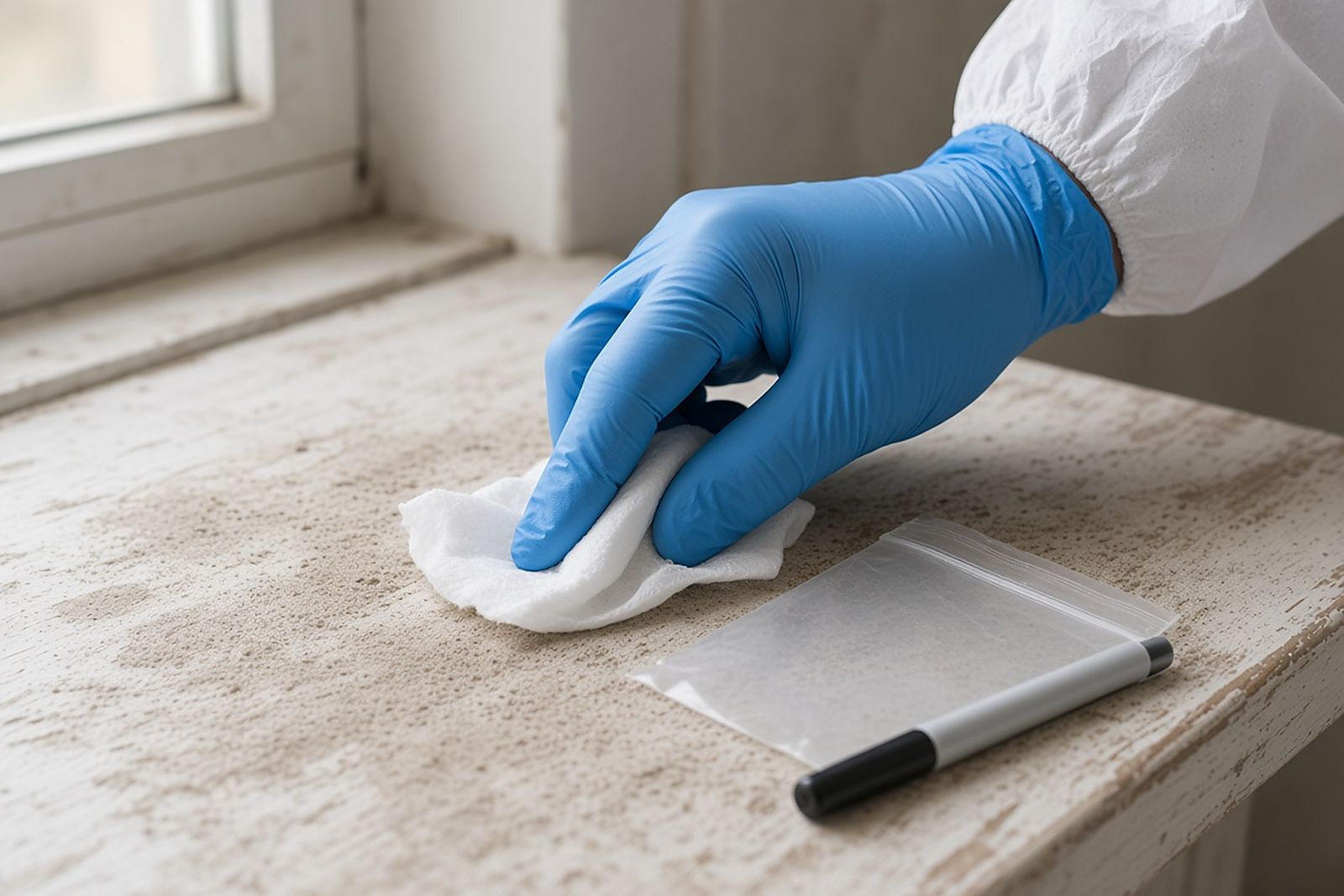
What should not change is the order of the work. HEPA vacuuming, with a fine-filter vacuum, comes before wet cleaning. The air system stays shut down until the ducts are dealt with. The final walkthrough happens with the system running. These steps belong in both settings. If you reopen before they are done, you risk spreading residue into clean areas. You also risk exposing your staff and customers.
If you own a business, ask the company to show you the phased plan on a sketch of your floor. Each zone should have a note beside it that says what must be true before it reopens. That one page makes it easier to explain the timeline to your staff, your customers and your landlord.
One street, two properties: a made-up example
This example uses a made-up block with a coffee shop on the ground floor and an apartment above it. During an evening protest, CS canisters land in the street. The coffee shop's door is propped open. The outside air damper on its rooftop unit is open too. Upstairs, a tenant has the bedroom window open a crack.
In the coffee shop, the cleanup company finds a thin film on the front counter, pastry case, menu board and seating area. It is heavier near the door. The rooftop unit pulled dirty outside air in through its economizer. The work plan is long. Open food and cups are thrown out, and aprons and towels are laundered. The crew cleans the pastry case and the outside of the espresso machine. It cleans the rooftop unit's intake and coil area and replaces the filters. It HEPA vacuums and washes the dining area. The owner reopens after a walkthrough and a food-safety check.
Upstairs, the residue is only in the bedroom near the open window. The crew HEPA vacuums and washes the surfaces. Bedding and curtains go out for laundering. The window sill and screen are cleaned. The apartment's own small heating unit was off, so the ducts are inspected but need only a light cleaning.
The chemical is the same in both places. The coffee shop's job is larger because of its food rules, its bigger air system and its open door. None of these details come from a real job. But they are typical of how your setting decides how much work is needed.
Paperwork for households and businesses
As a household, you will likely work with a homeowners or renters policy. As a business, you may deal with a commercial property policy and business interruption coverage. There may also be a landlord's policy for the building, and workers' compensation if employees were affected. Each insurer may want different records.
The core records are the same in both settings. They are the agency's notice that the scene is released, if there is one, and your photos. They are the written work plan, the list of what was kept or thrown out, product details and the notes from the end of the job. If you run a business, also keep records of the days you could not open and any stock you threw out. Those may matter for a business interruption claim.
No cleanup company can promise that insurance will pay. Ask your insurer early what it needs. Make sure your cleanup company knows before work begins.
How do you keep people informed in each setting?
In a home, the talk is personal. The company speaks with your household and explains what will be kept or thrown out. It answers your questions about pets, children and anyone with asthma or other breathing problems. Neighbors who share your walls or your building may need a short update as well.
In a business, many more people need to know: your employees, customers, landlord, the tenants next door and sometimes a regulator. A short written notice works best. Say that a chemical irritant got into the building and that a professional crew is cleaning it. Say when you expect to reopen and who employees should contact if they have symptoms. Do not comment on the events that led to the gas being used.
After you reopen, at home or at work, invite people to report any stinging, coughing or peppery smell. A few reports near one vent or one piece of furniture are a useful sign. Pass them to the cleanup company right away. Do not wait to see whether the problem fades.
What to look for in a company for each setting
For your home, look for a company that explains choices about soft items with patience. It should handle your belongings with care. It should also be able to work with your landlord or insurer, so you are not the one making every call.
For your business, look for a company that can read a mechanical plan or work with your building engineer. It should schedule around your hours and phase the work safely. Its records should fit a commercial claim and whatever a regulator expects.
In both cases, ask how they plan for the agent that was used. Do they expect CS powder, oily OC or both? How will they confirm that your space is ready? A sure, detailed answer should comfort you more than a promise that everything will be gone.