Short answer
Good equipment for tear gas residue cleanup matches the agent and the building. Look for full-face respirators with suitable cartridges and chemical-resistant suits, HEPA vacuums rather than ordinary ones, cleaning solutions chosen for CS powder or OC oil, tools to clean or replace HVAC components, and a plan for laundering or discarding soft goods. Fans, ozone and fragrance should never stand in for residue removal.
Why the equipment list deserves a close look
Tear gas cleanup looks deceptively simple. Many rooms appear almost normal after a deployment, apart from some white dust near a window or a scorch mark on the floor. That appearance leads some companies to propose a standard deep clean with ordinary vacuums and household products.
The residue is designed to cause intense irritation at very small amounts, and it hides in fibers, porous materials and ductwork. The equipment a company plans to use tells you whether they understand this. A proposal that relies on fans, fragrances or ordinary vacuums may leave you with a home that still makes your eyes water.
You do not need specialist knowledge to evaluate a proposal. You need to know what each type of equipment is for and whether the proposal matches the conditions in your home.
Equipment choices also affect what you will pay and how long you will be out of the house. Crews with the right tools tend to finish in one well-planned effort, while crews without them often need a second visit once residents start reporting burning eyes again. Spending a few minutes on the equipment list can save weeks of frustration.
How well protected should technicians be inside a gassed building?
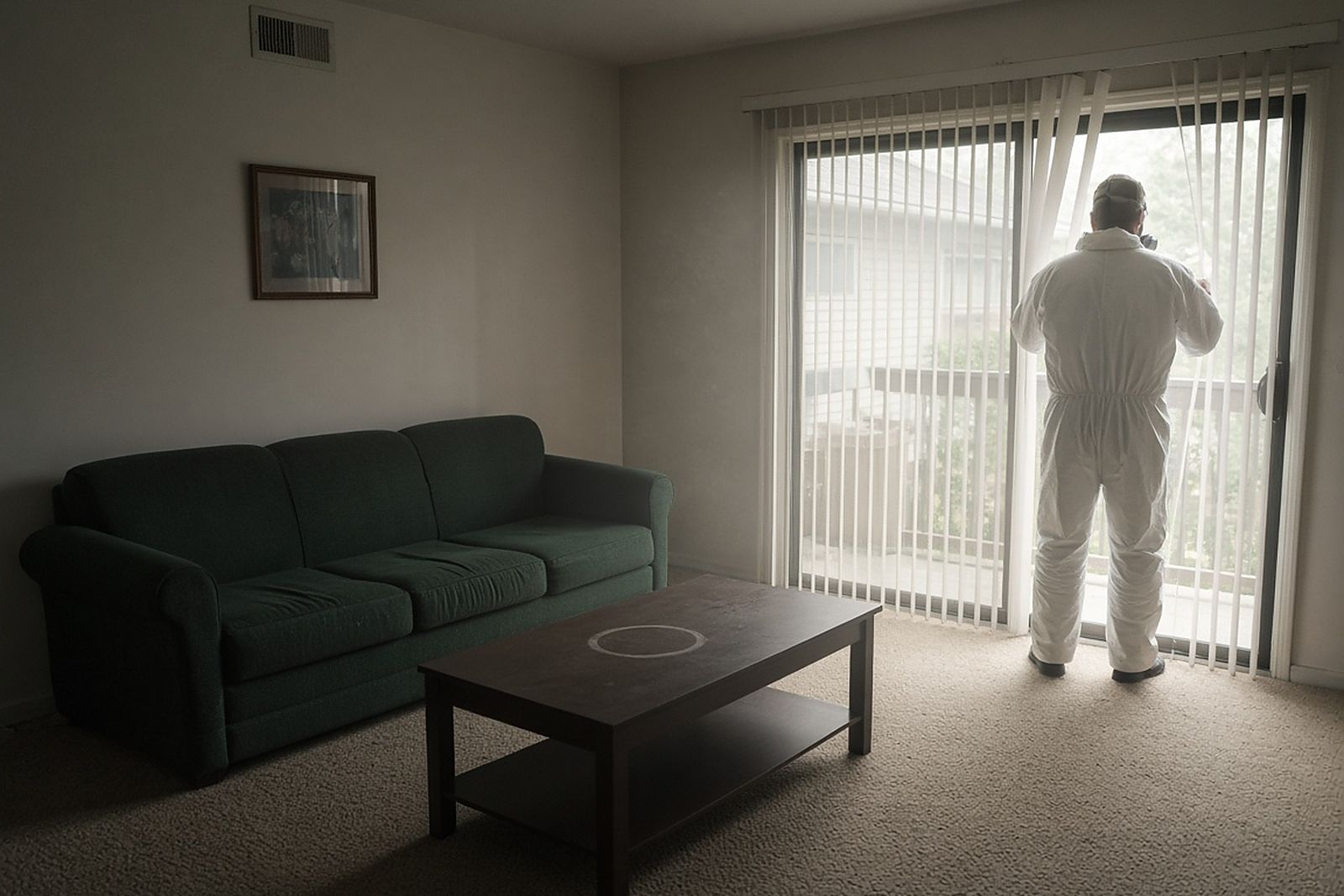
Technicians working in a freshly exposed building face the same agent that affected the occupants, often at higher concentrations near the points where canisters landed. Protective equipment should reflect that seriousness.
Protective gear also tells you how the crew views the job. A team that shows up in paper dust masks and street clothes is treating the house as a cleaning job. A team that sets up a gear change area at the door and bags used suits before stepping outside is treating it as chemical remediation, which is what it is.
- Full-face air-purifying respirators with cartridges appropriate for the agent, which protect the eyes as well as the lungs.
- Chemical-resistant disposable coveralls with hoods, taped or sealed at wrists and ankles.
- Nitrile or other chemical-resistant gloves, changed frequently.
- Boot covers or dedicated work boots that stay in the contaminated zone.
- A defined area near the exit for removing protective gear without spreading residue.
HEPA vacuums vs ordinary vacuums
Vacuuming is usually the first cleaning step, and it is where many well-meant efforts go wrong. A standard household or shop vacuum can blow fine CS particles out of its exhaust and back into the room. The result is a burst of irritation for anyone nearby and redistribution of residue onto surfaces that may already have been cleaned.
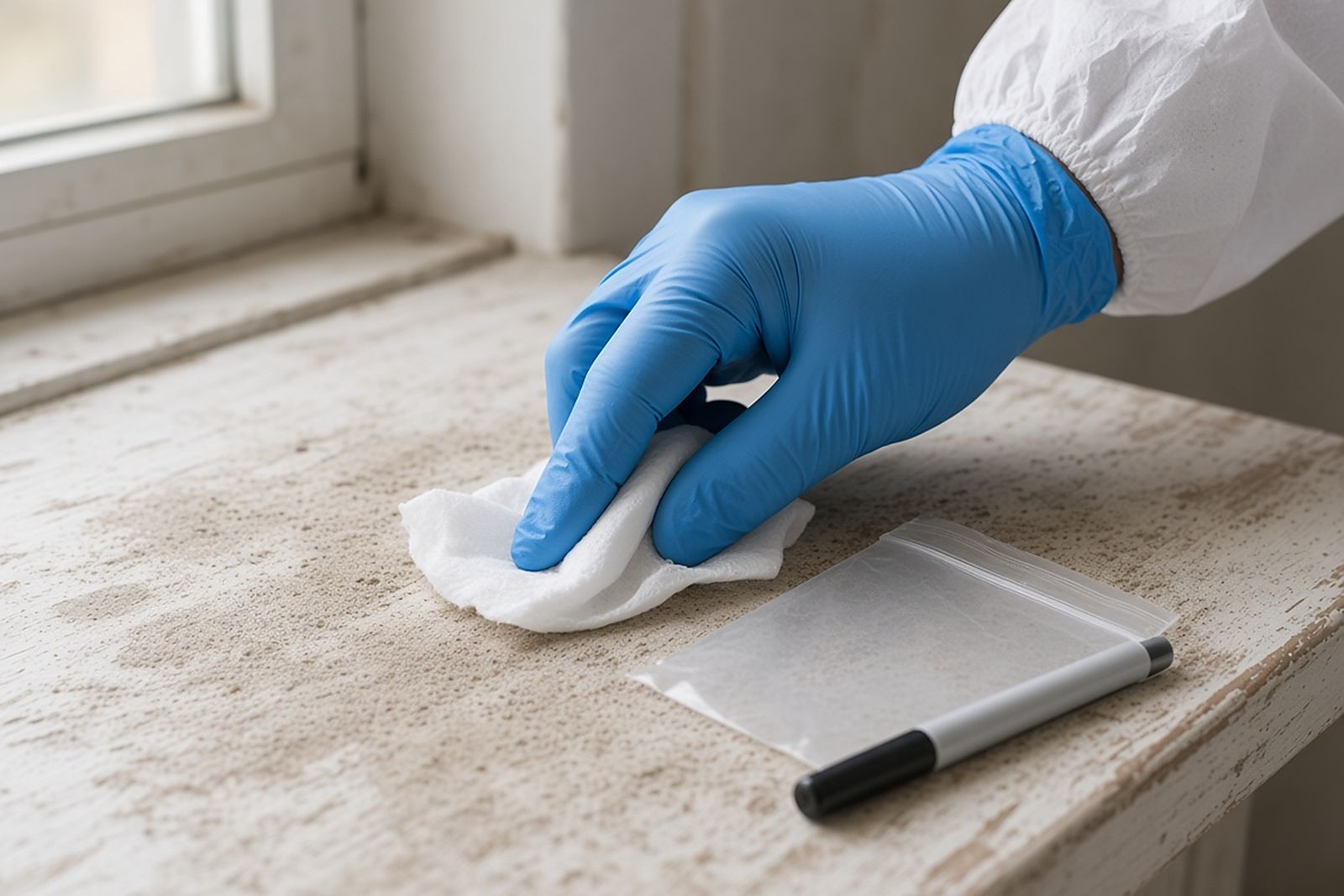
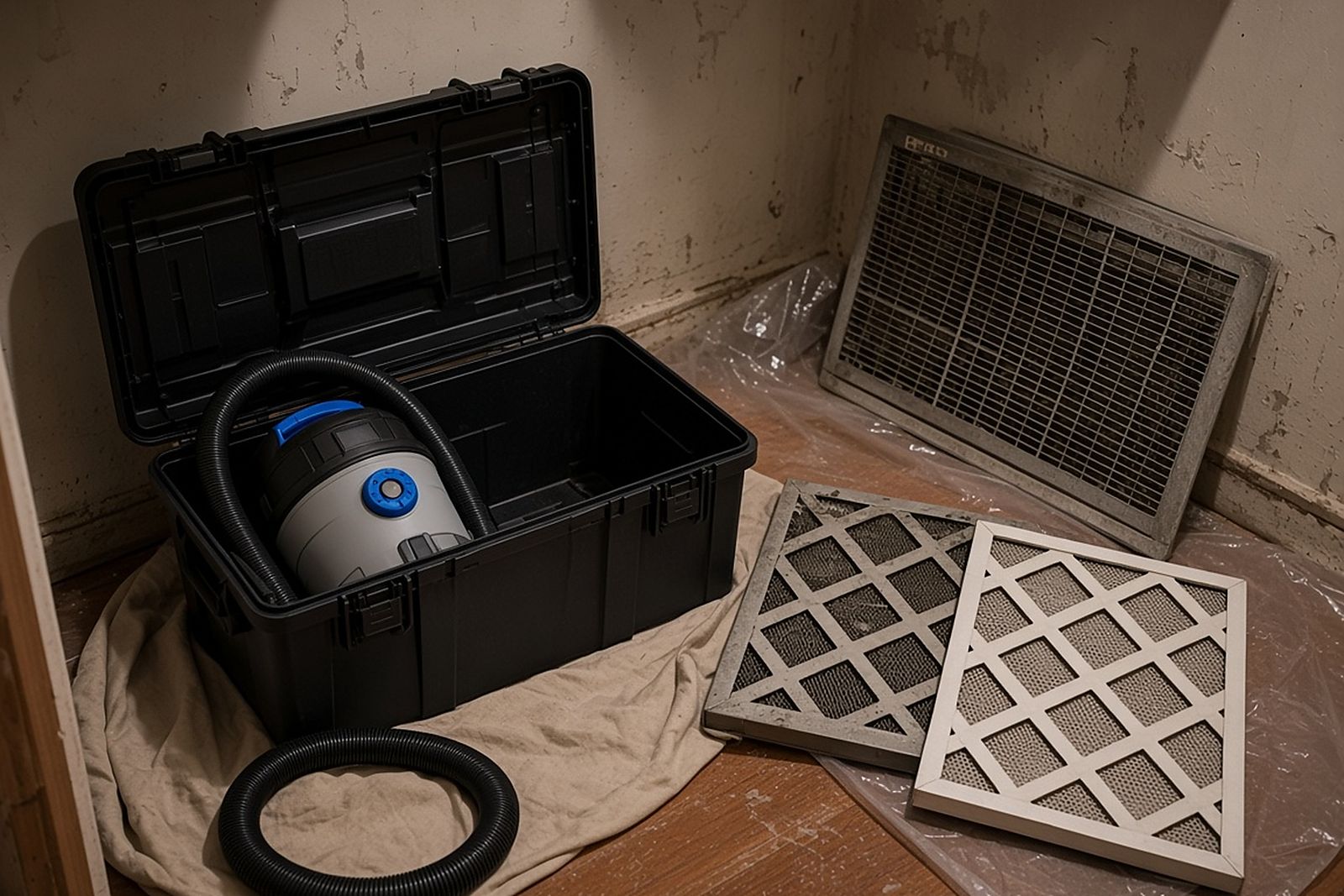
HEPA vacuums are designed to capture very fine particles and hold them in the filter. Professional crews use them on ceilings, walls, floors, window sills, furniture and other surfaces before any washing begins. Vacuuming first removes the bulk of loose powder so that washing solutions are not overwhelmed.
Ask what type of vacuums the crew will use, how filters will be handled and disposed of, and whether the vacuums will be dedicated to the job or cleaned before leaving. A vacuum that goes from your home to another job without cleaning can carry residue with it.
Attachments that reach where powder settles
Attachments matter nearly as much as the vacuum itself. Soft brush heads for walls and ceilings, crevice tools for window tracks and baseboards, and upholstery tools for furniture help capture residue where it actually settles. A crew that plans to vacuum every surface with a single floor head will miss the places where powder collects.
Cleaning solutions matched to the agent
The right chemistry depends on the agent. CS breaks down faster in alkaline conditions, so crews often choose mildly alkaline detergents for hard surfaces. OC, the active ingredient in pepper spray, is oily and needs a detergent that emulsifies oil rather than plain water, which tends to spread it.
Ask what products the crew plans to use and why. A good answer will mention the type of agent, the surfaces involved and any compatibility concerns. Some finishes, stones and electronics can be damaged by strong alkaline solutions, so the crew should test in inconspicuous spots and use gentler methods where needed.
Rinse water and temperature
Rinsing equipment matters as well. Clean water, fresh wipes and frequent changes of both prevent residue from being moved from one surface to another. A single bucket used for an entire house is a warning sign.
Temperature is part of the plan. Many crews avoid very hot water on heavily contaminated items because heat can increase irritation during handling. Ask how the crew will manage this, particularly for laundry and soft goods.
HVAC tools and duct cleaning
If the heating or cooling system was running during or after the deployment, residue has likely traveled through the ducts. Equipment for HVAC work should be part of the proposal in those cases.
Look for plans to shut down and seal the system during cleaning, replace filters, remove and clean registers and grilles, and clean accessible ductwork with equipment that captures debris. Some duct cleaning uses brushes or air whips combined with HEPA-filtered negative air collection. Flexible duct or lined duct that holds residue may need replacement.
Ask whether the cleanup company does this work itself or brings in an HVAC contractor, and how the two will coordinate. The system should not run until both the rooms and the ducts are clean, or it may push residue back into finished spaces.
Ask for before and after photographs of the duct interiors if the crew uses an inspection camera. Seeing the inside of a supply run is the easiest way for you to confirm that the work reached beyond the registers.
Equipment for soft goods and belongings
Soft goods are often the hardest part of a tear gas cleanup. Carpet, rugs, upholstered furniture, mattresses, pillows, curtains and clothing can trap particles deep in their fibers.
Some items can be cleaned with specialized extraction equipment or sent for professional laundering, often more than once. Others are better discarded, especially inexpensive or heavily contaminated items. The proposal should explain which approach applies to which items and include sealed bags or containers for transporting soft goods off site.
Ask how belongings will be inventoried and returned. A good company tracks items so nothing is lost and documents what was discarded for insurance purposes.
Pay attention to how items are transported. Bags should be sealed inside the house before they are carried out, and vehicles used for transport should keep contaminated goods separate from clean supplies. Otherwise the crew may bring residue back into the home when laundered items are returned.
Five pieces of equipment that should raise questions
Some tools appear in proposals for tear gas cleanup that deserve careful scrutiny.
- Box fans or open-window airing as the main method, which can move residue around without removing it.
- Ozone generators presented as a cure, since ozone does not remove particulate residue and requires an unoccupied space.
- Fragrance or odor-masking products, which hide smell but not irritation.
- Pressure washers indoors, which can drive residue into porous materials and spread it widely.
- Paint or sealant applied before cleaning, which can trap residue that will be released during future repairs.
Two proposals for one family home
Two proposals for the same house, drawn up for illustration, make the contrast concrete. After a police operation, a family's two-story home has residue on the ground floor and, because the furnace ran, lighter residue upstairs. The family receives two proposals.
The first proposal lists box fans, a carpet cleaning machine, an all-purpose cleaner and an ozone treatment. It does not mention the furnace or ductwork, and the crew plans to wear dust masks.
The second proposal lists full-face respirators and chemical-resistant suits, HEPA vacuuming of every room, mildly alkaline washing of hard surfaces with frequent rinse changes, removal of the living room carpet and one sofa, off-site laundering for bedding and clothing, duct cleaning with HEPA-filtered collection and replacement of the furnace filter.
The family chooses the second plan. The house is illustrative, but the contrast mirrors real proposals.
What should you ask before agreeing to the plan?
A few direct questions will tell you whether the equipment fits your home.
Write down the answers you receive and keep them with the signed proposal. If a question comes up later about why a sofa was discarded or why the ducts were cleaned, you will have the reasoning on record.
- Which agent do you believe was used, and how does that change your methods?
- What respirators and protective clothing will the crew wear?
- Will you use HEPA vacuums on all surfaces before washing?
- What cleaning solutions will you use on each type of surface, and how will you rinse?
- How will you clean or replace HVAC components?
- Which soft goods will be cleaned, and which will be discarded?
- How will you confirm the home is ready for us to return?