Short answer
Tear gas in your home or workplace often comes with fear, disruption and a sense that your safe place was invaded. Anxiety, anger, sleep trouble and hypervigilance are common. Protect yourself by staying out of affected rooms until they are cleaned, getting medical care for lingering symptoms and seeking support early. If you or someone near you is in crisis, call or text 988.
Why can tear gas in your home feel so upsetting?
Most people who need tear gas residue cleanup did not choose to be involved in the event that caused it. You may have been displaced by a standoff next door, caught near a protest or had police enter your home in connection with someone else. Your home was damaged, your routine was disrupted and you may have been frightened for your safety.
The physical effects add to the strain. Burning eyes, coughing and skin irritation that return each time you walk into a room are constant reminders of what happened. It can feel as if the event is not over, even days later.
Distress after exposure is common. In a 2021 study by Torgrimson-Ojerio and colleagues of adults exposed to tear gas during 2020 Portland protests, 72.4% reported psychological health issues. Those participants were exposed outdoors, but their experience underlines that the emotional impact of these agents is real and widely shared.
Normal emotional reactions
Reactions after a deployment vary widely. Some people feel intense anger, particularly if they believe the deployment was unnecessary or they were not at fault. Others feel fear, shame, grief for damaged belongings or numbness. Many feel several of these at once.
Common reactions include trouble sleeping, being jumpy at sirens or loud noises, avoiding the street or room where it happened, irritability, difficulty concentrating and replaying the event. Children may become clingy, have nightmares or act out.
These responses often ease with time, rest and support. They are a sign that your mind and body are processing something threatening, not a sign of weakness.
Pets can react as well. Animals that hide, refuse to enter certain rooms or seem restless may be responding to residue or to the stress in the household. Caring for them can also be a comfort for you.
How physical symptoms and stress feed each other
Tear gas irritates the eyes, airways and skin. When residue lingers, those symptoms can come and go for days or weeks. Each flare-up can trigger anxiety about your health, which can make breathing feel tighter and sleep harder to come by.
Breaking that cycle starts with getting the residue properly removed and having your symptoms checked. Talk to a medical provider if you have ongoing breathing trouble, eye pain, skin irritation or other concerns, especially if you have asthma, are pregnant or care for young children or older adults. In the same Portland study, 54.6% reported receiving or planning to seek medical or mental-health care, a reminder that asking for help is common and reasonable.
Once the building is cleaned and symptoms fade, many people find that their anxiety eases too. If it does not, that is a good time to reach out for mental health support.
Coping while the cleanup is happening
Stay out of affected areas while professionals work. Returning repeatedly to check on progress can re-expose you physically and emotionally. Ask the provider to send updates or photographs instead, and agree on a time to walk through together when the work is done.
Take care of the basics: sleep where you feel safe, eat regular meals and stay connected to people who support you. Avoid watching news coverage of the event on a loop, which can keep your body in a state of alarm.
Channel some of your energy into manageable tasks. Keeping a log of damaged items, photographs and conversations with insurers or agencies can give you a sense of control. Let others help with the rest.
- Choose one trusted person to help you handle calls with insurers, landlords or agencies.
- Keep medications, glasses and phone chargers with you so you are not tempted to go back in for them.
- Wash clothes that smell peppery or sting separately, and leave badly affected items for the provider to assess.
- Plan something calming for each day, such as a walk, time with a pet or a phone call with a friend.
- Limit alcohol and other substances, which can worsen sleep and mood.
What if my anger or fear about police involvement feels overwhelming?
Feelings about police action can be complicated. Some people feel grateful that a dangerous situation was resolved and still angry about the damage. Others feel frightened or betrayed. Past experiences with law enforcement can shape how intense those reactions are.
It can help to separate what you can act on from what you cannot. Documenting damage, asking the agency about a claim process and talking with a lawyer or advocate if you believe you were wronged are concrete steps. The agency itself can tell you what claim and complaint processes it has; ask for the details in writing so you are not relying on memory later.
Talking with a counselor, community group or faith leader can also help you process the experience. You deserve space to express frustration without it consuming your days.
If you were detained, questioned or had your home searched, you may also feel exposed in front of neighbors. You do not owe anyone an explanation. A short answer such as saying the police were dealing with a situation and the house is being cleaned is enough, and you can decide later how much more to share.
When to seek professional mental health support
Reach out if distress continues for more than a few weeks, if you avoid your home or neighborhood, if you cannot sleep or work, if you feel constantly on edge or if you are using alcohol or drugs to cope. Your primary care provider, an employee assistance program, a community mental health center or a 211 information line can help you find services.
If you are having thoughts of suicide, or you are worried about someone else, call or text 988 to reach the 988 Suicide and Crisis Lifeline. It is free, confidential and available day and night. A 2025 KFF analysis found that about 91% of 988 calls, texts and chats were answered nationally as of May 2025. If anyone is in immediate danger, call 911 without delay.
Support is not only for people who were directly exposed. Family members, roommates and neighbors who watched the event unfold may need it too.
Supporting children after a deployment near home
Children may have seen officers, heard loud noises or smelled the gas. They may not have words for what they felt. Tell them, in simple terms, that something frightening happened, that the adults are taking care of it and that the house is being cleaned so it is safe again.
Keep routines steady where you can, and let them ask questions. Answer honestly without graphic details. Watch for changes in sleep, appetite or behavior, and talk to their pediatrician or school counselor if those changes last.
Keep children out of affected rooms until the cleanup is complete, and wash their clothing and favorite soft items separately if they were exposed. Physical comfort matters, but so does the sense that home is theirs again.
Feeling at home again once the cleanup is finished
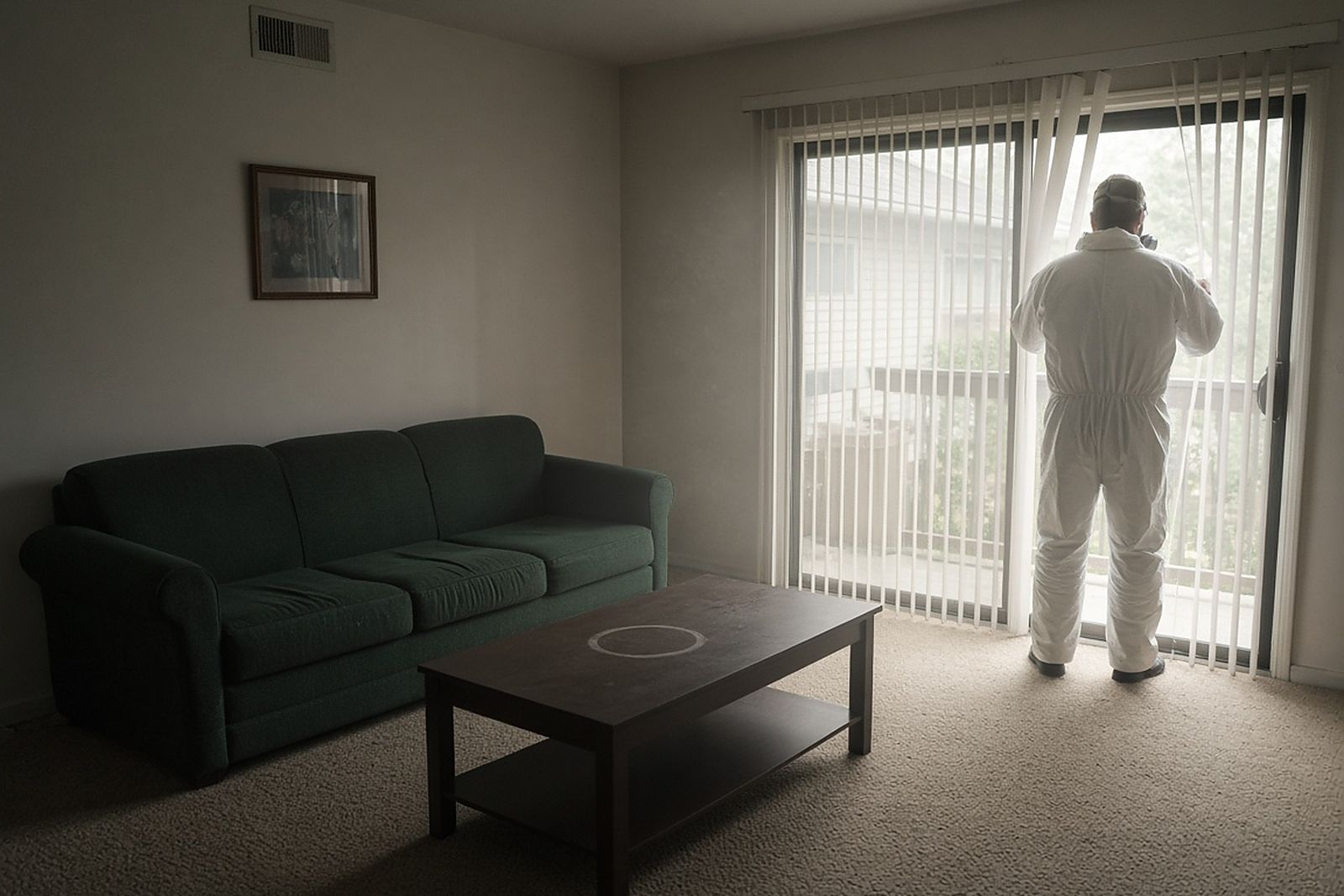
A clean house does not always feel like a safe house right away. The smell may be gone and your eyes may no longer sting, yet the living room can still carry the memory of officers at the door or the sound of a canister breaking glass. Give yourself time to reclaim the space.
Some people find it helps to change something small: rearrange furniture, replace a curtain that was discarded with one they choose, open windows on a fresh day or invite a friend over for a meal. These acts signal to your mind that the space belongs to you again.
If a particular room or item keeps triggering distress, it is okay to take it slowly. Spend short periods in the room during daylight, with company if that helps, and gradually extend the time. A counselor can guide this process if it feels too hard to manage alone.
Pay attention to any physical symptoms that return in specific places. A cough that appears only in one bedroom may point to residue the cleanup missed, not to anxiety. Report it to the provider so they can check. Knowing the difference between a physical trigger and an emotional one can itself be a relief.
A renter displaced by a standoff next door
One renter's path, pieced together here as an illustration, shows how these steps fit. A renter in a duplex comes home to find police outside and is told to leave while officers deal with an armed person in the neighboring unit. Tear gas is deployed, and it drifts through a shared attic and wall vents into the renter's bedroom.
The renter stays with a friend for a week while the landlord hires a provider. Even after cleaning, the renter feels uneasy in the bedroom and wakes at small sounds. They are also frustrated about lost clothing and time off work.
The renter uses their employer's assistance program to speak with a counselor, who helps them make a plan: sleep in the living room for a few nights, return to the bedroom gradually and write down worries before bed. The renter also keeps a folder of photographs and receipts for a renters insurance claim.
Within a month, the renter sleeps in their own room again. The details are illustrative, but they show how practical steps, professional cleanup and emotional support can work together.