Tear Gas Residue Cleanup: Health & Wellness
Privacy, decision-load, trauma-aware communication, and verified support resources for people managing tear gas residue cleanup. Educational remediation content is not mental-health treatment.
The health and wellness group looks at the physical and emotional side of living through a tear gas event in your home or workplace. People respond in many ways. Some feel shaken, and some feel angry. Some mostly focus on getting back to normal. Some notice nothing unusual until much later. Articles here share information about lasting physical irritation, poor sleep, and the strain of being out of your home. They do not assume how you feel. We suggest practical ways to look after yourself and the people you live with while the cleanup goes on.
Get an email reply about tear gas residue cleanup
Send a short message to the follow-up inbox. A coordinator can reply by email. This form does not send emergency help; call 911 first if anyone is in danger.
You will also find posts for parents talking with children about why they could not go home. There are posts for workers going back to a workplace where gas was used. There are also posts for neighbors affected by drifting gas even though the event was not at their address. Some articles speak to the frustration of dealing with agencies, insurers, and contractors all at once. We point you toward doctors, counselors, and community resources where they may help. The content is for information only. It does not replace care from a clinician who knows your situation.
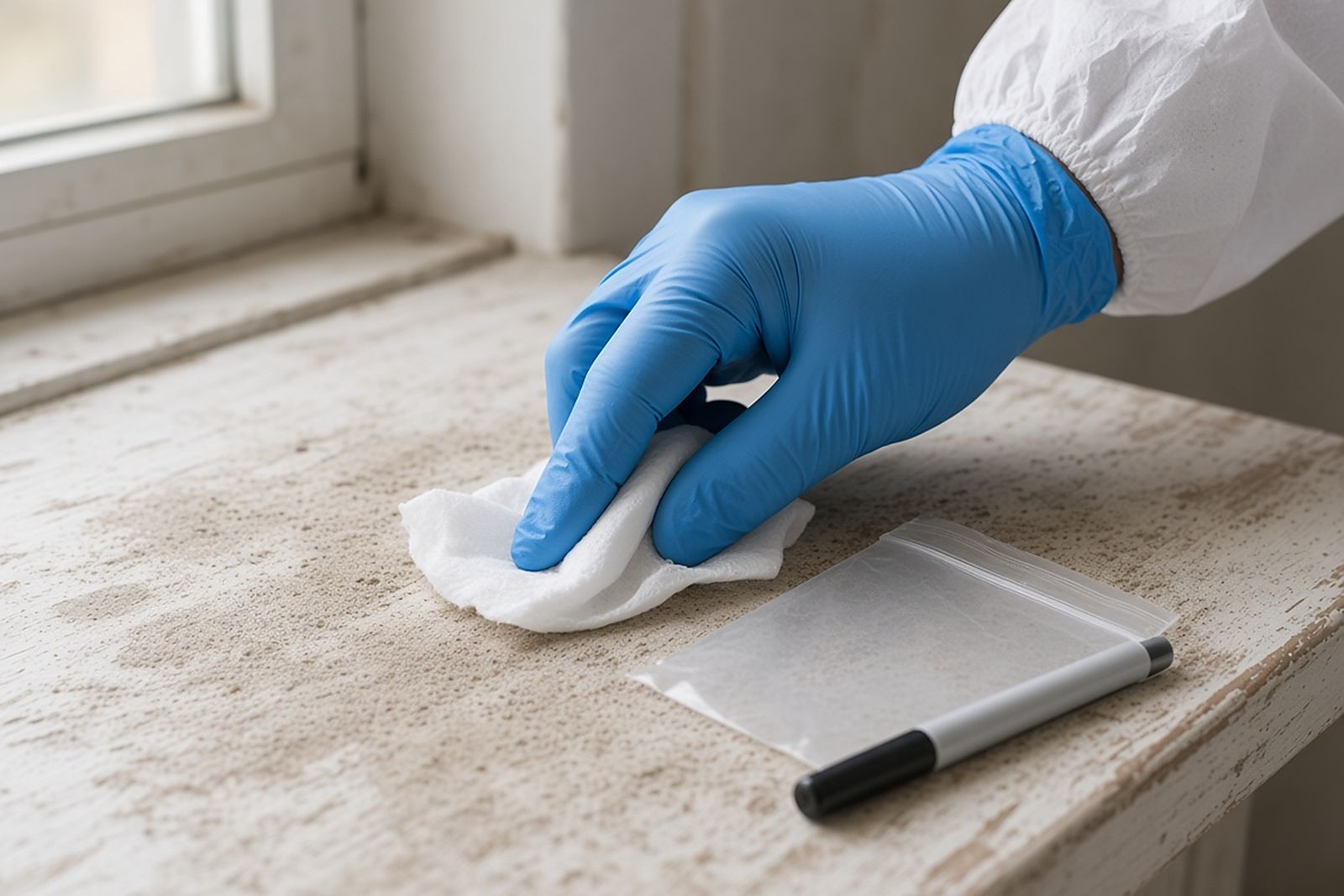
Managing Stress and Disruption During Tear Gas Residue Cleanup
A standoff or raid, a damaged home and symptoms that keep returning: ways to manage the stress and upheaval of tear gas residue cleanup for your household.
Tear gas cleanup is stressful because it follows a frightening event, often one you did not cause, and because lingering residue can keep triggering physical symptoms that remind you of it. You can reduce the strain by confirming the building is safe before returning, separating health care from cleanup, documenting everything for claims, setting realistic timelines, protecting routines and seeking support if distress persists.

Mental Health Resources During Tear Gas Residue Cleanup
A police standoff or protest that leaves tear gas in your home can be deeply unsettling. Here is how to look after your mental health while cleanup unfolds.
Tear gas in your home or workplace often comes with fear, disruption and a sense that your safe place was invaded. Anxiety, anger, sleep trouble and hypervigilance are common. Protect yourself by staying out of affected rooms until they are cleaned, getting medical care for lingering symptoms and seeking support early. If you or someone near you is in crisis, call or text 988.
Sourced figures on health & wellness
- 6 of 15
In human volunteer studies cited by NIOSH, 6 of 15 people rated a 2-minute exposure to 2–10 mg/m³ of CS as intolerable.
Read with care: Very small sample from older military research.
Source: NIOSH (CDC) (1994)Small military volunteer study summarized in NIOSH IDLH basis
- 5,131 injured; 2 deaths; 58 permanent disabilities
A systematic review of 31 studies from 11 countries documented 5,131 people injured by tear gas and pepper spray, including 2 deaths and 58 permanent disabilities.
Read with care: Only published cases were counted, so the true burden is larger and mostly reflects crowd-control settings.
Source: BMC Public Health (Haar et al.) (2017)Worldwide published cases, January 1990 to March 2015
- 4 mg/m³ in 1 minute
According to the National Research Council, an airborne CS concentration of 4 mg/m³ disperses most rioters within one minute, and 10 mg/m³ deters trained troops.
Read with care: Describes crowd effects outdoors; indoor deployments can produce far higher concentrations.
Source: National Research Council (2014)Military and law-enforcement effectiveness data summarized by NRC
These figures are public research and agency data, not this network's own job records. Keep each number with its population, year and limits; none of them predicts cost, timing or outcome at a specific property.
What research has found
Findings from published studies of people and properties in situations like this one. They describe what researchers observed in a specific group; they are not predictions for your case.
More reported exposure days were associated with more delayed issues, except mouth-related issues.
Health & Wellness: common questions
Is it normal to still feel irritation after I moved back in?
Some people notice mild eye or throat irritation for a short time, most of all if they are sensitive. Irritation that keeps going, gets worse, or shows up in certain rooms may mean residue is still somewhere. Contact your provider and your doctor. Tell them when and where the symptoms happen.
How can I talk to my kids about what happened?
Keep explanations simple and honest for their age, focus on what is being done to make the home safe, and let them ask questions. Children may react right away, later, or not at all. A pediatrician or school counselor can offer ideas if you notice changes that concern you.
Where can I find support if the event was distressing?
Your regular doctor, a local mental health clinic, or community groups can connect you with counseling if you want it. Some people would rather lean on friends, family, or faith groups. There is no single right way to respond. Asking for support at any point is a sensible thing to do.
How can I sleep better while dealing with the aftermath?
Keep a consistent bedtime routine and a clean, comfortable place to sleep, even if it is temporary. Limit news and social media before bed. Relaxation techniques like slow breathing can help. If worries keep you awake, write them down and set them aside for the next day. Talk to a doctor if sleep problems persist for weeks.
Should I see a doctor if symptoms were mild and went away?
If symptoms were mild and went away quickly, many people do not need medical care. It can still make sense to mention the exposure at your next checkup. This is most true for children, older adults, or people with asthma or heart problems. Get care right away if symptoms come back, get worse, or include trouble breathing, chest pain, or an eye injury.
How can I help an older relative who was exposed?
Make sure they are out of affected areas and have their medicines and comfort items. Watch for coughing, trouble breathing, skin irritation, or confusion. Contact their health care provider if symptoms appear. Help with paperwork and with talking to insurers or agencies. Older adults may also feel shaken, so offer comfort and help them keep their routines.
What if cleanup work triggers my anxiety?
Seeing crews in protective gear or smelling cleaning products can bring back memories of the event. It is okay to stay away while the work happens and ask for photo updates instead. Grounding techniques and talking with someone you trust can help. If anxiety interferes with daily life, reach out to a counselor, and call or text 988 if you are in crisis.
Related community polls
Every count is a real visitor vote; nothing is seeded or padded. One vote per poll per device, and you can change your answer.
How did tear gas end up in your building?
What was the first thing you tried to reduce the irritation?
More on tear gas residue cleanup
Tear Gas Residue Cleanup services
Learn what professional tear gas cleanup involves. It covers HEPA removal, the right chemicals, air system checks, choices about soft items, and safe return checks.
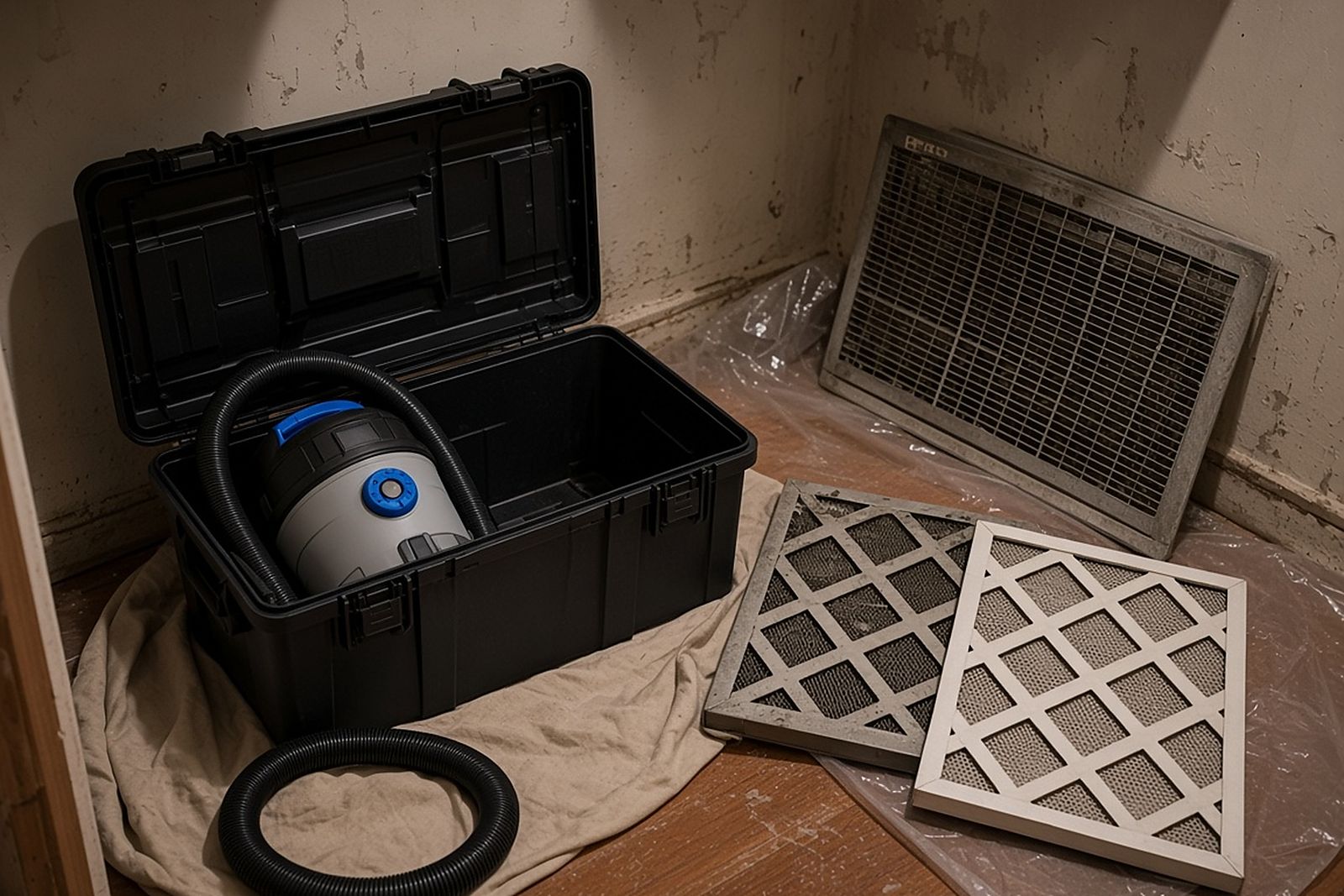
Costs explained
What drives the price, published cost ranges, and how to read a written quote line by line.
Insurance and payment
Which policies may respond, how to document a claim, and what to do if coverage is denied.
Planning tools
Use planners and checklists that walk you through the first day. They help you judge the risk of doing it yourself and get ready to talk with providers, landlords, and insurers.
Community polls
Compare your experience with other tenants, owners, and managers who dealt with tear gas residue. See which choices they found hardest afterward.
Knowledge quiz
Check what you know about how CS and OC residue behaves, why the air system matters, and what a thorough cleanup and its records should include.
Field guides
Read detailed guides on where residue hides, breaking it down versus cleaning it, who does what as landlord or tenant, and what a written cleanup plan should say.