Field guide
Tear Gas Residue: HVAC and Porous-Material Decision Guide
A guide to tear gas residue indoors. Learn how to control the source, check HVAC paths and soft materials, test cleaning, keep records, and plan re-entry.
For: Property owners, facility managers, landlords, insurance adjusters, and cleanup planners dealing with tear gas used indoors, once officials allow property work.
Organizational editorial byline · Updated 2026-08-01 · Verify case-specific requirements with the responsible authority.
Ask about your situation
Your request is sent to the follow-up inbox. A coordinator can reply by email. Not for emergencies; call 911 first if anyone is in danger.
Direct answer
What is the practical approach?
Don't treat tear gas residue as just an odor problem. Don't assume an air cleaner removes what has settled on surfaces. First, find out about the incident, what is known about the chemical used, and whether officials have released the property. Note the affected areas and how air was moving. Then control the source. Map how particles and people moved. Shut off or check the heating and cooling (HVAC) parts. Test cleaning methods on sample hard and soft materials. Record what you remove. Base the decision to let people back in on the written plan. For health symptoms or cleaning off your body, get help from emergency services, poison control, or a doctor, not a property cleanup article.
Keep health response separate from property cleanup
The CDC describes riot control agents, often called tear gas, as chemicals that irritate the eyes, mouth, throat, lungs, and skin. Anyone who may still be exposed should leave the area and follow emergency directions. Trouble breathing, severe symptoms, or gas that is still being released call for an emergency response. Checking the property starts only after the right officials allow entry. A cleanup estimate is not medical advice. A property contractor should not tell an exposed person their symptoms are harmless. They should not say a cleaned room means the person no longer needs care.
Start the property file with the incident date and who released the property. Add any agency reports, the likely chemical or device, and the rooms involved. Note which doors and windows were open during the event and whether the HVAC was running. Note any water or fire-suppression use and any earlier cleaning attempt. The exact chemical may stay unknown. Write down that uncertainty. Don't swap in a brand name or assume every tear gas product acts the same way. The check should explain which decisions can be made from the residue you can see and from building paths. It should also say which need qualified testing or an expert in workplace air, mechanical systems, or the environment.
Map the source areas, the in-between areas, and clean comparison areas
Split the building into zones before moving belongings or airing out the whole space. The source zone includes where the gas was used, visible residue, damaged canisters, and surfaces hit directly or heavily exposed. In-between zones include doorways, stairwells, and hallways. They also include return-air paths and rooms entered by people carrying affected clothing or gear. A clean comparison area is a space you have a solid reason to think was not affected. Don't pick it just because the smell is weak there. Record which way air was flowing between rooms, open windows, fan use, and where people walked.
This map sets how to seal off areas and how workers go in. It sets where to take samples, if sampling makes sense, and the order of work. Start by controlling the source. Don't push particles from the worst room into nearby areas. A fan pointed at a hallway can turn a one-room problem into a building-wide one. Dry sweeping can spread residue. Vacuuming without the right filter may blow fine particles back out. The work plan should name the equipment, filters, cleaning order, and how tools will be cleaned. That way the cleanup itself doesn't make the affected area bigger.
Treat HVAC as a path to check, not something to tear out by default
A running air handler can move particles through the air. It can also collect residue on grilles, filters, housings, coils, and duct surfaces you can reach. That does not prove the whole duct system is affected or must be replaced. Record whether the system ran during or after the gas was used and which zones it served. Note the filter type and condition, where the return vents are, damper positions, and signs of residue on parts you can reach. When the system serves occupied areas or several tenants, decide on shutting down, isolating, or restarting with a qualified mechanical or environmental professional.
The EPA stresses controlling the source as the main way to improve indoor air. Fresh air and filters are extras. Air cleaners and filters can't remove every pollutant, especially residue that has already settled on materials. A sound HVAC plan names the question each step answers. Replacing a filter may remove particles it caught. Cleaning a return vent you can reach may deal with a path you recorded. Looking inside an air handler may show whether more work is needed. "Fog the ducts" or "replace everything" is not a line of reasoning. Require before-and-after records and a clear condition for restarting the system.
Sort materials by exposure, how porous they are, and whether you can check them
Material decisions should weigh how much residue settled, surface texture, and how porous the material is. They should also weigh the finish condition, value, access, and whether you can check that the cleaning reached the agreed finish line for the job. Sealed metal, glass, and hard finishes that tolerate cleaning may be good for careful cleaning tests. Bare wood, fabric, carpet, ceiling tile, paper goods, insulation, and deeply textured surfaces can trap particles. That makes them hard to clean or check. Valuable objects may be worth a specialist test or advice from a conservator. Low-value soft materials that are soaked or heavily coated may be better removed than treated again and again with no clear way to measure success.
Don't use odor as the only way to sort materials. People sense odor differently. Fresh air can hide it for a while, and air freshener can mask it without removing residue. On the other hand, a complaint about odor does not tell you which chemical is present or how much. Build a list of materials. For each, record the room, the item or surface, its condition, the planned action, the cleaning test, how it passes, and what finally happened to it. When a decision depends on lab testing, pick the lab and the method before taking samples. Also note the limits, what results will be compared against, and who is qualified to read them.
Test cleaning methods on a small area before using them everywhere
A small test on a typical spot can show whether a method removes visible residue. It can also show whether the method spreads residue, damages the finish, or leaves dirty water that is hard to handle. The test should record what the surface looked like before cleaning and the product or method. It should also record the scrubbing, how rinse water is collected, how tools are cleaned, drying, and the check after cleaning. Different tear gas chemicals and carriers may react differently. So a general household recipe should not be sold as working everywhere. Follow product labels and safety data sheets, and don't mix chemicals. Send any material that doesn't mix well, reacts, or can't be identified to qualified hazardous-material professionals.
Use the method more widely only after the test supports the planned finish line. Work from controlled zones toward less affected zones. Handle wipes and rinse water based on what they contain and on local rules. Don't let dirty water go into a drain or outdoor area where it isn't allowed. Base worker protective gear (PPE) and breathing protection on the hazard review and the employer's program. A respirator doesn't replace controlling the source. A disposable mask isn't automatically right just because the residue is dusty. Record changes to the plan and failed tests. Don't hide them inside a single lump-sum price.
Base the final check on several kinds of proof together
No single clearance number for consumers fits every building affected by tear gas. The final check may combine several kinds of proof. That can include removing the source, closing out the material list, and inspecting under good lighting. It can also include cleaning test results, HVAC part records, and follow-up on complaints. Targeted lab results can help when the method and comparison are sound. Confirm that anything left out is assigned to someone. The final report should keep what was seen apart from what was assumed. It should also state which hidden spaces were not opened. It should list which materials were thrown out because there was no reliable way to show they were clean.
A test result is useful only if it changes a decision. Before sampling, write down the question. Is residue present beyond the source room? Did a sample cleaning test clearly reduce the target chemical? Does a part of the air handler you can reach support doing more mechanical work? Then set sample locations, controls, detection limits, a record of who handled each sample, and how results will be read. Random swabs without a decision rule can add cost and give unclear numbers. If no proven method or comparison fits the situation, say so. Rely on a clear plan instead of making up a pass or fail number.
Spell out the conditions for re-entry and handoff
The decision to let people back in belongs to the official or person responsible for the property. They should use the finished plan and any qualified health, workplace air, mechanical, or regulatory advice the case needs. The final report should list finished zones, materials kept, materials removed, and HVAC status. It should note fresh-air or drying steps, the proof from the final check, and any odors or complaints still open. It should also list what was left out and what would trigger follow-up. Don't promise the building is "chemical free," has "zero residue," or is safe forever. Those claims go beyond what a property cleanup plan can show.
Give the people who use the space a plain summary that doesn't overstate how certain the results are. Explain which rooms can be used and which stay closed. Explain how filters or mechanical systems will be handled and what cleaning products were used. Say who to contact if symptoms or visible residue come back. Medical concerns go to a doctor or poison control. Building complaints and questions about the plan go to the person who makes property decisions. This clear split keeps a cleanup contractor from acting as an unqualified source on health questions. It also keeps the building file useful.
Decision table
Link each planned action to a path that was seen and a clear decision point.
| Situation | What to do | Proof to keep |
|---|---|---|
| Visible residue where gas was used | Limit access, record it, remove the source, test a safe cleaning method | Photos, material list, method and test result |
| HVAC was running during the event | Map the zones it served and check parts you can reach before doing more | Run history, filter and parts records, mechanical advice |
| Heavily affected soft material | Compare a specialist cleaning test with removal and careful disposal | Condition, pass criteria, approval, what happened to it |
| Odor with no visible residue | Look into paths and the source history; don't use air freshener as proof | Complaint map, inspection notes, limits |
| Planned lab testing | Set the decision, method, locations, controls, and what results are compared against first | Sampling plan, sample handling record, detection limits, how results were read |
Action checklist
- 1Confirm officials released the site and entry is safe.
- 2Write down what is known about the chemical, and what isn't, without guessing.
- 3Map source, in-between, HVAC, and clean comparison zones.
- 4Record HVAC use and the parts you can reach.
- 5List hard, soft, valuable, and hidden materials.
- 6Test cleaning on a small area before using it widely.
- 7Base protective gear and respirator use on the employer's hazard review.
- 8Set each sample question and comparison before collecting.
- 9Record decisions on waste and dirty water.
- 10Issue a final report with re-entry conditions and what was left out.
Questions and answers
Should the HVAC system always be replaced after tear gas is used indoors?
No. Replacement should follow the evidence, not the name of the service. Find out whether the system was running, which zones it served, and where the return vents are. Check whether residue is on filters, grilles, housings, coils, or duct sections you can reach. A qualified mechanical or environmental professional may advise cleaning, replacing parts, more inspection, or bigger work. An air filter can catch particles. It can't remove material that has already settled around a room. The final record should explain why the chosen HVAC work fits the path that was found.
Can ozone, hydroxyl machines, or an air cleaner fix tear gas residue?
Air treatment should not replace removing the source and cleaning materials. The EPA describes source control as the main way to improve indoor air. It calls filtering an extra step that can't remove every pollutant. A machine may have a set role after settled material is dealt with. But the company should say what the machine is expected to change. It should say how people will be protected and how success will be judged. Less odor alone doesn't prove residue is gone. Avoid treatment claims that go beyond the machine's instructions or the evidence for the property.
Is odor a reliable way to know the space is clear?
No. Odor can help map complaints, but people sense it differently. Fresh air or air freshener can change it for a while. A weak odor doesn't prove there is no settled material. A strong odor doesn't tell you which chemical is present or how much. Use odor notes along with the incident history, zone map, material checks, cleaning records, HVAC proof, and qualified testing when it fits. The final report should state what odor notes can and can't show. It should not turn them into a pass or fail number with nothing behind it.
When should soft, porous materials be removed?
Think about removal in a few cases. One is when residue is heavy. Another is when the material is deeply porous or can't be reached. A third is when cleaning would spread the residue or damage the item. The last is when there is no believable way to check it. Valuable objects may be worth a specialist test. Cheap carpet, ceiling tile, insulation, or paper goods may not be. Record each decision by item or surface. Include the condition, the planned method, how it passes, and who approved it. Being porous is not an automatic reason to throw something out. But treating it again and again with no clear finish line is not a sound plan.
What should a tear gas cleanup final report include?
Include the incident and release details, what is known about the chemical, and what is uncertain. Add zone maps, the material list, cleaning tests, final methods, and items removed. Add HVAC records, product and safety papers, and decisions on waste or dirty water. Include lab results and their limits when testing was used, plus photos, problems not yet solved, and who is responsible for re-entry. Keep facts that were seen apart from professional opinions, and name who made each decision. Don't say the building is chemical-free or safe forever. A useful report tells the next person in charge what was done, what is still unknown, and what should trigger follow-up.
Can occupants re-enter while cleaning trials are underway?
Keep occupants out of the source and transition zones while trials are running. Trials can disturb residue, and the results aren't known yet. Occupants may be able to use clean reference areas if they're separated by controlled routes and the ventilation status is understood. Write down which areas are open, which are closed, and what conditions allow the next area to reopen.
Should clothing and fabrics from the area be laundered?
Maybe. It depends on how heavily the fabric was exposed, what it's made of, and whether a test cleaning works. Bag and label items from the source and transition zones instead of putting them in a home or facility laundry, where residue can move to other loads or machines. Ask the provider to test a representative sample first. Items that are heavily affected or hard to verify may be better discarded.
Primary sources and scope
These sources support specific safety or process statements. They do not certify a provider, establish a universal property-clearance standard, or replace local requirements.
Use this guide with the planning tools
Open the insurance claim organizer to keep the paperwork orderly from the first call to the carrier decision. When you are ready to compare providers, the vetting checklist turns the questions in this guide into a list you can send.
Related articles
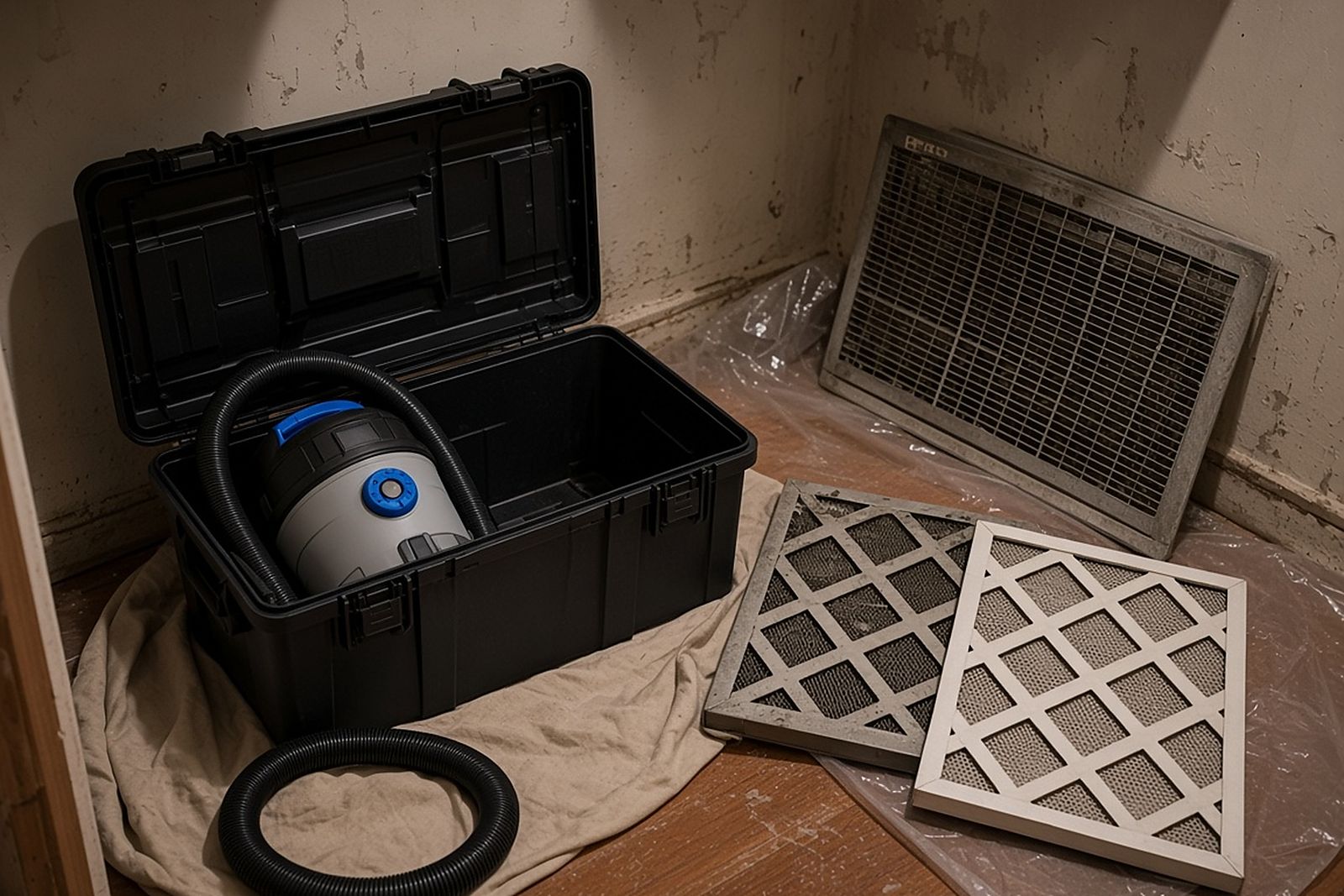 How to Evaluate Equipment Proposed for Tear Gas Residue CleanupGood equipment for tear gas residue cleanup matches the agent and the building. Look for full-face respirators with suitable cartridges and chemical-resistant suits, HEPA vacuums rather than ordinary ones, cleaning solutions chosen for CS powder or OC oil, tools to clean or replace HVAC components, and a plan for laundering or discarding soft goods. Fans, ozone and fragrance should never stand in for residue removal.
 10 Tear Gas Residue Cleanup Safety Risks to Assess Before Work BeginsBefore tear gas residue cleanup starts, assess ten risks: agent still airborne, skin and eye contact, unspent or damaged munitions, broken glass and forced-entry damage, fire and soot from pyrotechnic canisters, HVAC distribution, soft goods acting as reservoirs, the wrong cleaning chemistry, heat stress in protective gear, and exposure of children, pets and people with breathing problems. Each shapes who enters and how.OSHA Regulations and Tear Gas Residue CleanupOSHA protects the workers who remove tear gas residue from a home or business. CS tear gas has a federal limit on how much workers may breathe. Crews working in rooms coated with residue fall under OSHA rules for respirators and protective gear. They also fall under chemical safety rules for the cleaning products they use. OSHA does not certify that your home is clear. So you should also ask how the company checks the result.
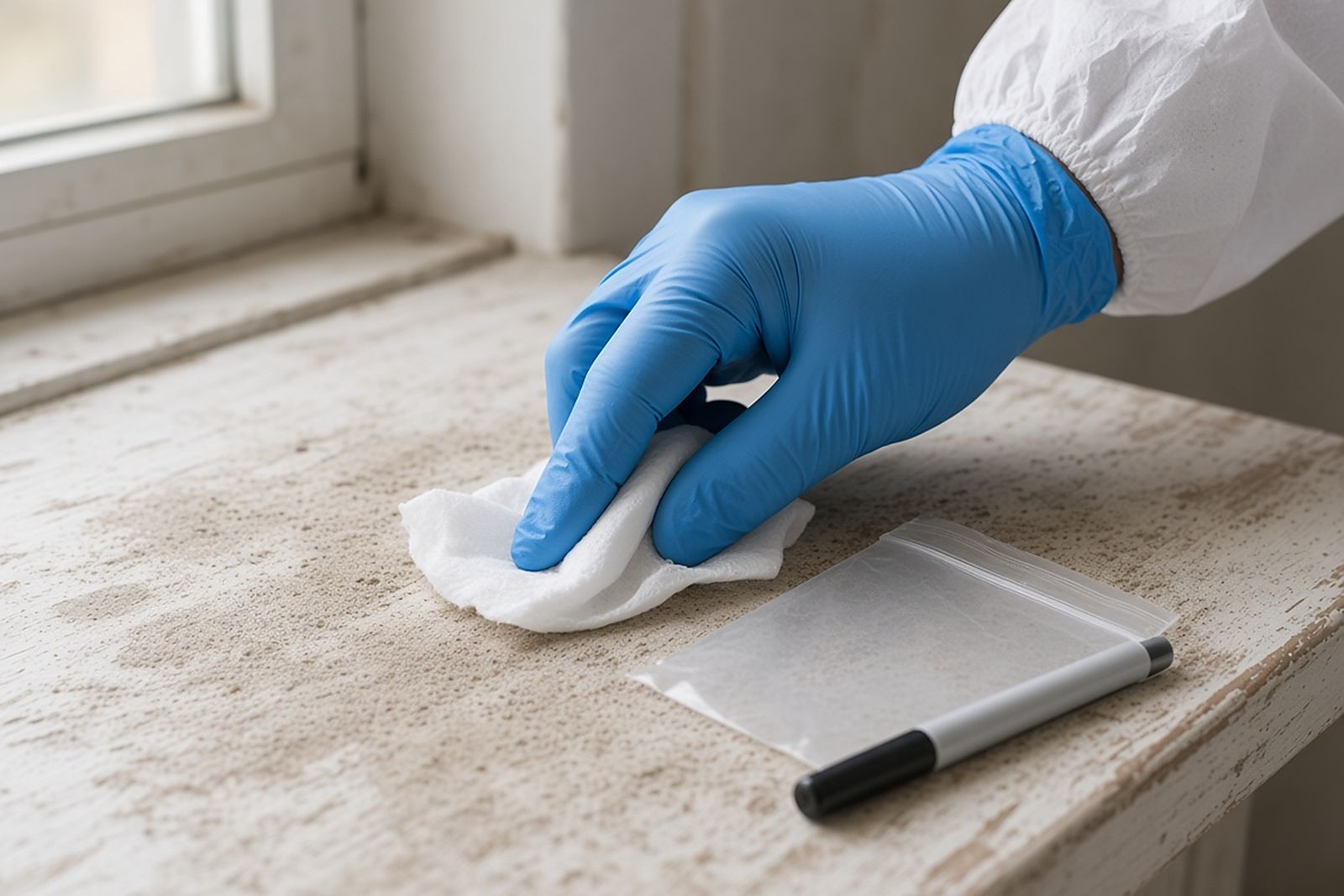 When ATP Testing Helps—and When It Does Not—in Tear Gas Residue CleanupATP testing is built to detect organic residue from living cells, so it cannot tell you whether CS, CN or OC tear gas residue remains on a surface. It may help only on the parts of a tear gas job that also involve blood, food spoilage or other biological soil. For the chemical agent itself, rely on a methodical cleaning process, a symptom-based walkthrough and, where justified, chemical-specific sampling.How to Evaluate Technology Used in Tear Gas Residue CleanupJudge tear gas cleanup technology by whether it captures or chemically breaks down the agent, reaches the reservoirs where residue hides and is safe for the people and materials involved. HEPA vacuums, air scrubbers and duct cleaning equipment directly address the problem. Ozone, hydroxyl generators and deodorizing fogs mainly target odor and cannot replace physical removal of CS or OC residue.