Short answer
The quick swab test some companies offer finds organic residue from living cells. It does not detect germs, and it cannot tell you whether CS, CN or OC tear gas residue is still on a surface. It may help only where your job also involves blood, spoiled food or other organic mess. For the chemical itself, rely on a careful cleaning process, a walkthrough that checks for symptoms and, where justified, sampling for the specific chemical.
Why "ATP testing" shows up on quotes
This quick swab test is named for adenosine triphosphate, a molecule found in living cells. Its handheld readers became common in food service, healthcare and general restoration because they give a number right after cleaning. Some cleanup companies bring the same devices to every job they do. The readings can find their way into tear gas proposals and final reports.
That causes confusion. You may see a line for this swab check on a quote for a home that was hit with CS canisters during a standoff. You might fairly assume it confirms the tear gas is gone. It does not. Knowing why helps you judge proposals and ask better questions.
None of this means a company that offers the swab test is dishonest. It may simply be using a tool it trusts from other work. Your job is to understand which question each test answers. Then you do not pay for comfort that does not apply to your problem.
What does a swab reading respond to?
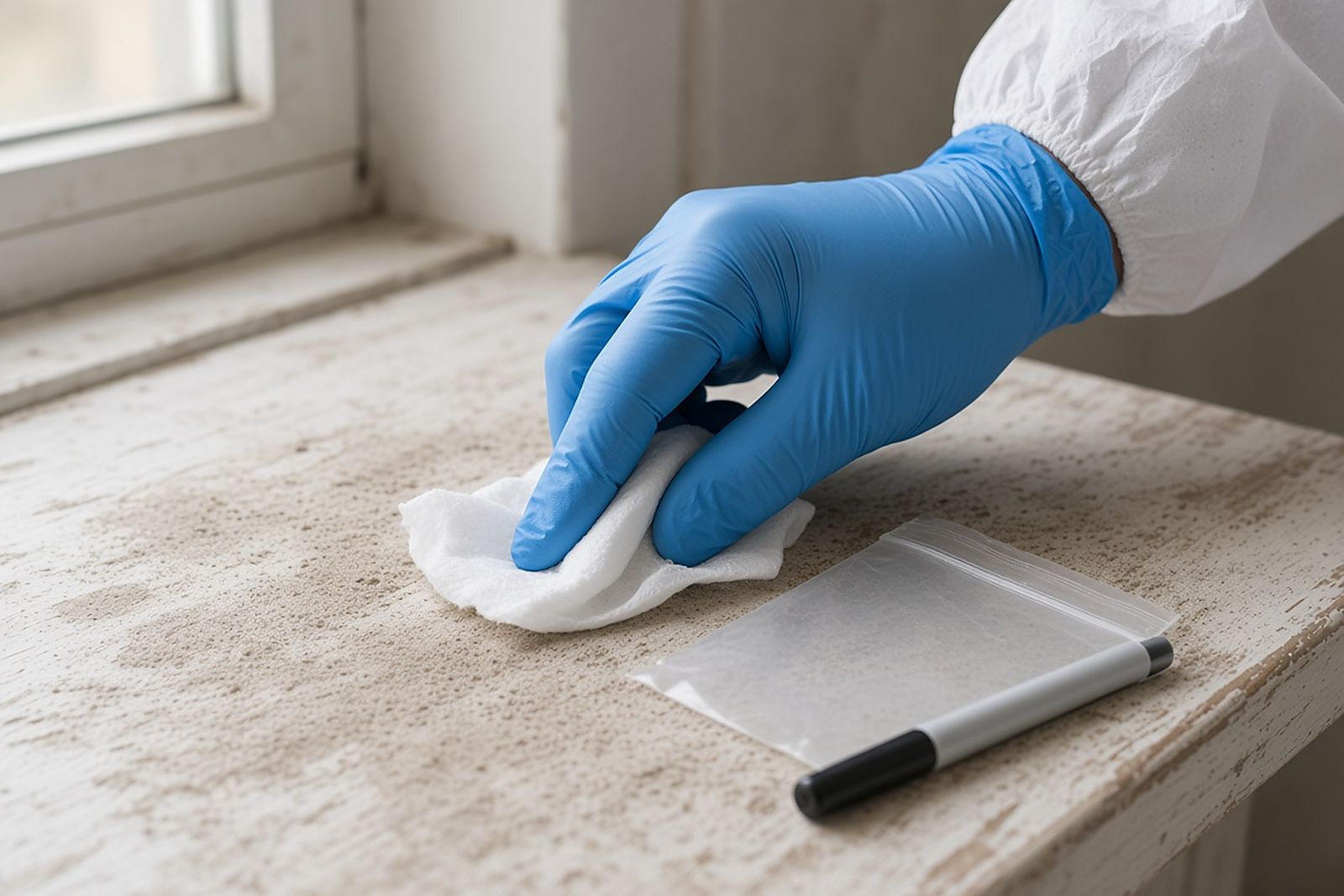
Adenosine triphosphate is the energy molecule of living cells. The test swab holds an enzyme mix that glows when it touches that molecule. The handheld reader turns the glow into a number. The more cell-based or organic residue on the swabbed spot, the higher the reading tends to be.
CS is a man-made, crystal-like compound. CN is also man-made. OC comes from pepper plants, but the oily extract used in sprays is processed. The parts that burn, called capsaicinoids, are not the molecule the swab looks for. None of these agents causes the glow the test depends on.
In other words, a surface can be coated in tear gas residue and still give a low number. A clean-looking swab result on a kitchen counter in a gassed home tells you that little organic residue is there. It tells you nothing about the agent.
Five places the swab test does make sense on a tear gas job
Tear gas is often used alongside other events that leave biological mess behind. Those parts of your job may gain from a check for organic residue.
- Blood from injuries during a forced entry or from broken glass.
- Vomit, urine or other body fluids from people or animals who were exposed and could not leave the space fast.
- Spoiled food in a refrigerator or pantry after you were away a long time with the power off.
- Pet waste in a home that was sealed for days while an animal stayed inside.
- Surfaces that touch food in a restaurant or commercial kitchen. These must meet the normal cleanliness program before reopening.
The risk of clearing a gassed room with a swab test
The risk is false confidence. Say a crew wipes the surfaces, gets low swab readings and calls the room clean. Residue in the carpet fibers, drapes, padded furniture and ducts can still irritate the people who live there. You move back in, turn on the heat and start coughing again.
A wrong all-clear affects your health, not just the paperwork. The decision that a room is clear should rest on evidence that truly relates to the hazard. For tear gas, that means a recorded chemical cleaning process and a careful check for irritation, not a biology number.
How cleaning products can make a swab report look better
Many detergents, disinfectants and alkaline cleaners get in the way of the enzyme reaction inside the swab. Some dim the light the reader measures. That pushes readings down no matter how much organic residue is really there. On a tear gas job, crews may use alkaline cleaners to speed the breakdown of CS. That can make low numbers mean even less.
This is not a trick by the company. It is a known limit of the chemistry. Trusted makers of these swab tests publish lists of products that affect their test chemicals. It does mean you should doubt a report that shows evenly low readings all through a gassed house.
If a company insists on including swab data, ask a few questions. When were the swabs taken, compared with the final rinse? Which cleaning products were on the surface? Does the device maker list those products as a problem? A company that can answer understands the tool. One that cannot is probably using it for show.
What should confirm a tear gas cleanup in its place?
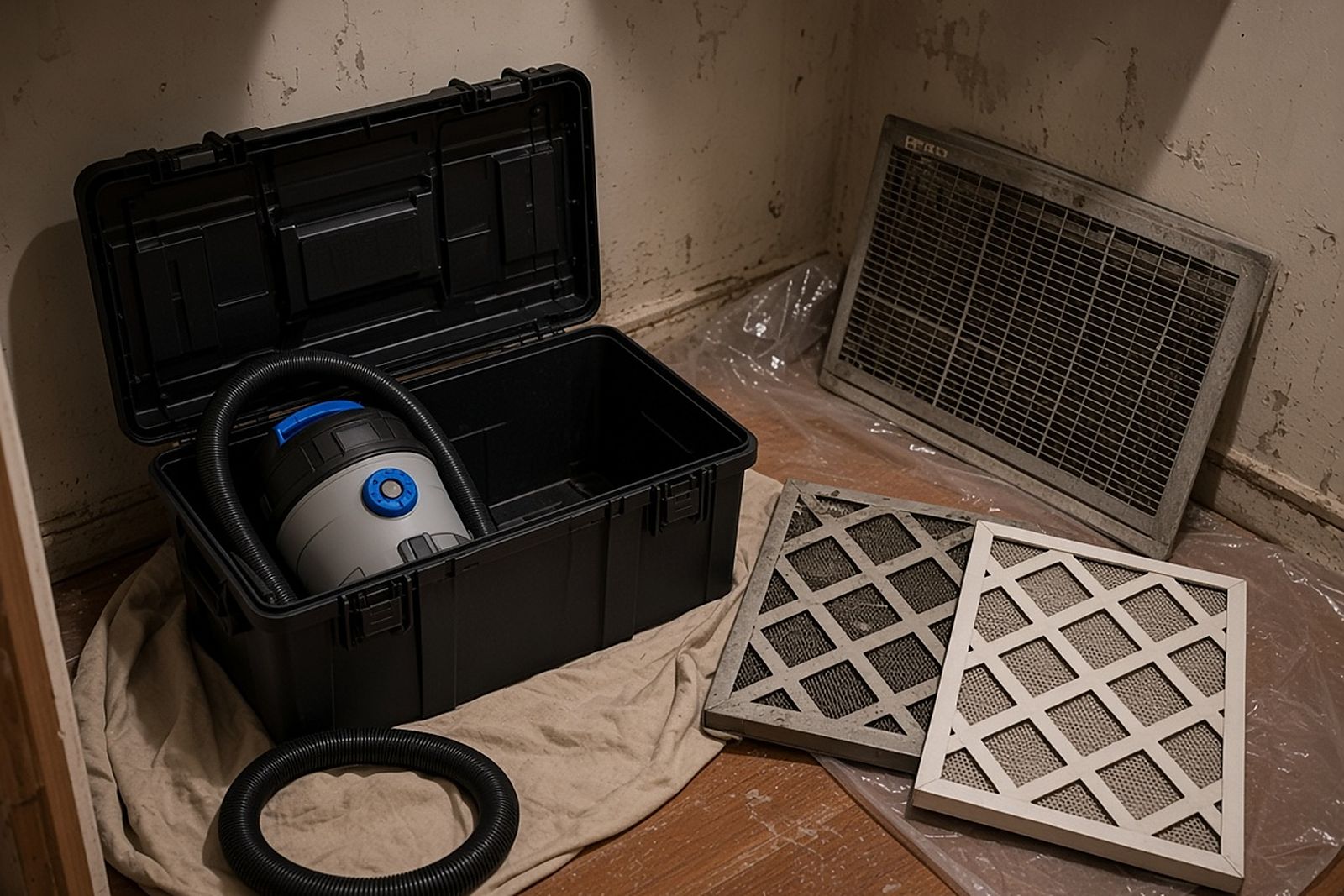
The most practical proof is the process itself, carefully recorded. The records should show that the heating and cooling system was shut down and locked. Surfaces were HEPA vacuumed, with a very fine filter, before wet cleaning. The cleaners suited the agent. Soft items were cleaned or removed according to a written list. The duct system was dealt with before the system was restarted.
The chemistry matters here. A company may explain why it chose a mildly alkaline cleaner for CS and a different detergent method for oily OC. That is the kind of reasoning that matters more to you than any swab.
Walkthroughs and lab sampling
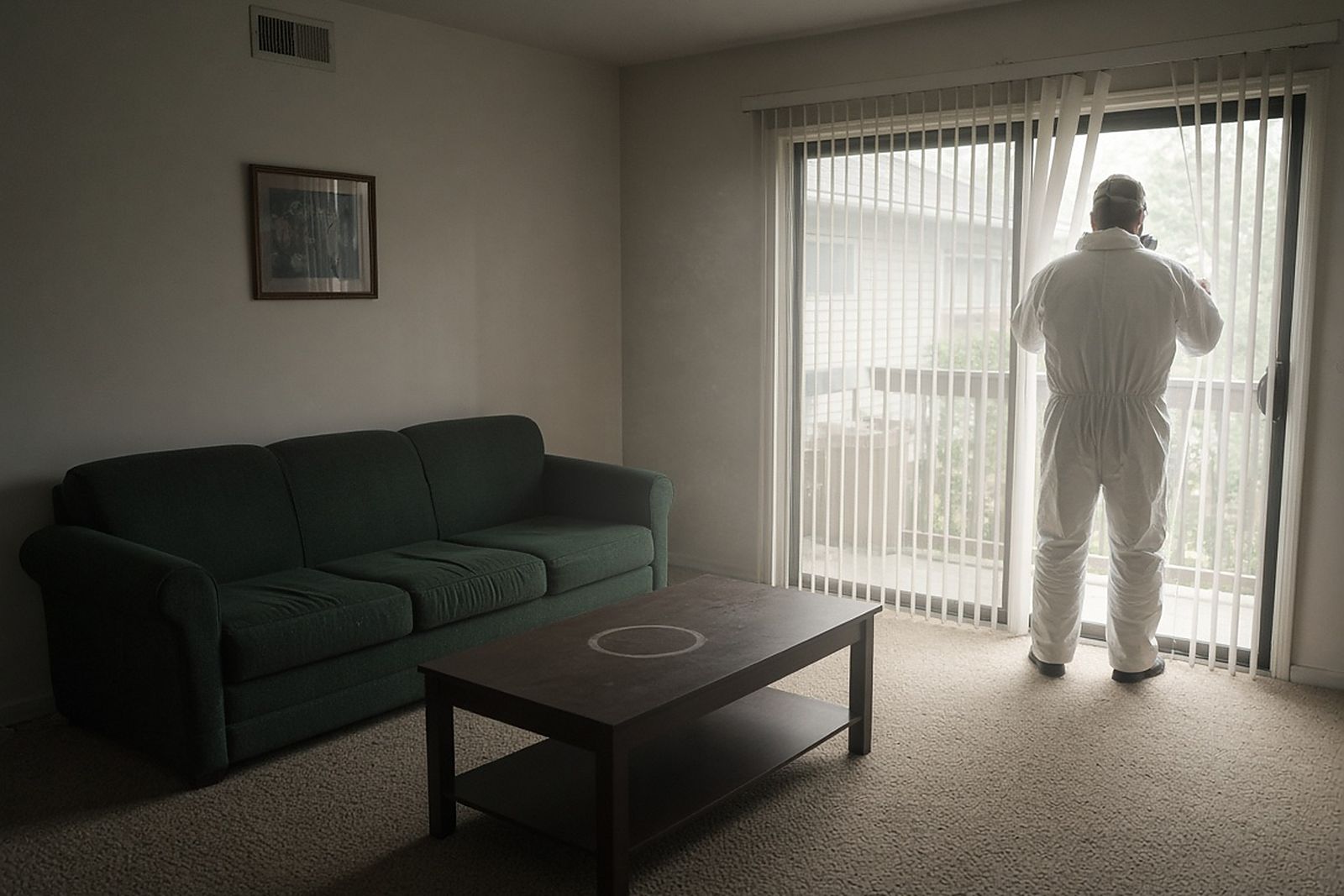
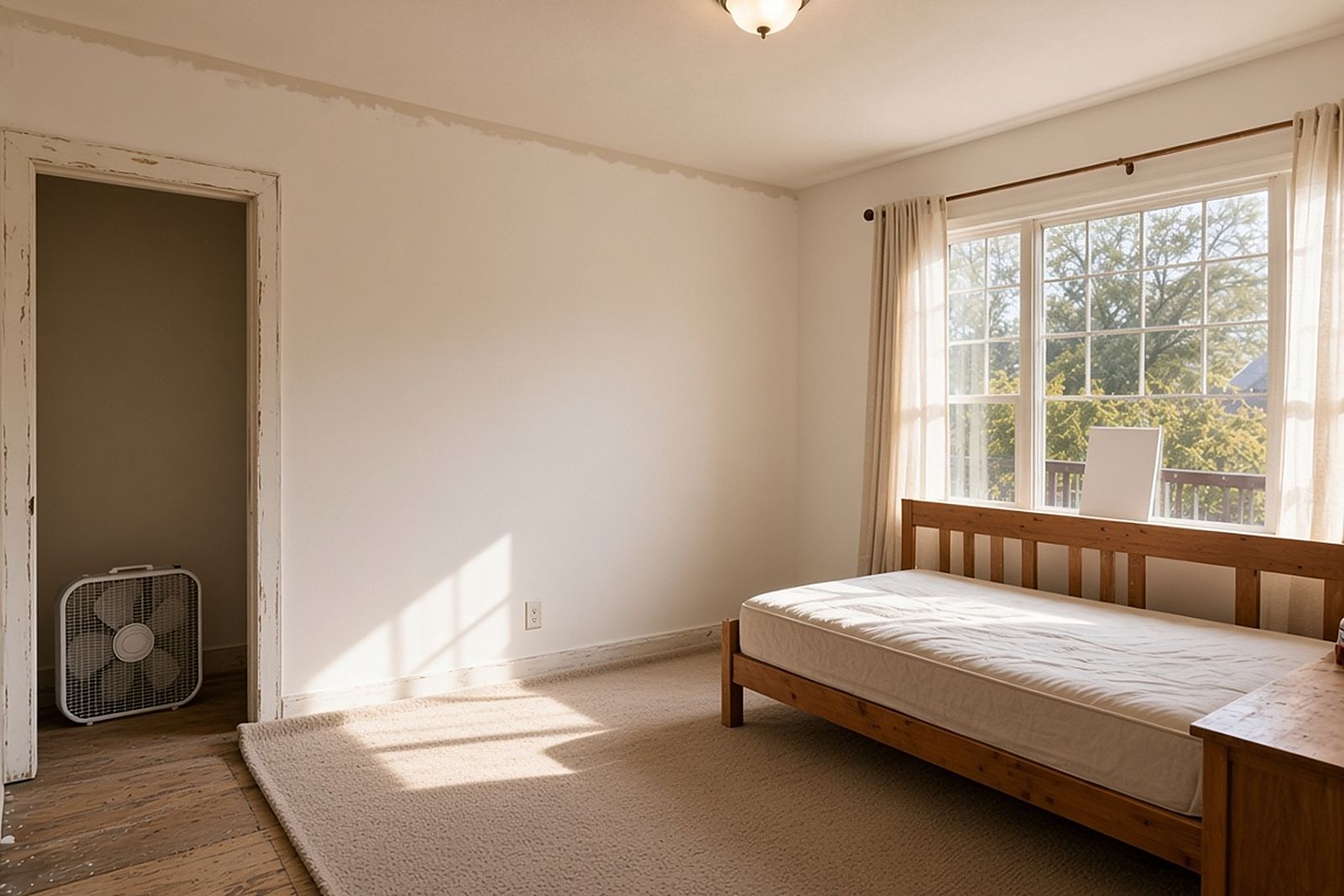
The walkthrough is the next layer. With the heating and cooling running as normal, you and the crew lead move through each room. You sit on the furniture, open the closets and handle the soft items that were kept. Stinging eyes, a sore throat or a peppery smell point to spots that need more work.
Some owners go further when there is a dispute, a medical concern or a building with many people in it. They pay for surface wipe or air samples that a lab tests for the specific agent. Before you decide, ask the cleanup company or an independent industrial hygienist, a workplace health specialist, a few things. What can the sampling method detect? What will the results be compared to? What does it cost?
A restaurant reopening after a street protest
Take a small restaurant as an example. During a nighttime protest, CS canisters land on the sidewalk outside. The front door is open, and the dining room fills with gas. Staff leave through the back, and the kitchen hood fan keeps running for an hour.
The owner hires a company whose first proposal lists a swab check of all surfaces as the final step. The owner asks what the swab detects and learns it does not respond to CS. The company changes the plan.
In the new work plan, the crew HEPA vacuums the dining room and kitchen and washes hard surfaces with a mildly alkaline cleaner. Table linens and staff uniforms go out to be laundered on their own. The entry mat is removed. The hood, the filters and the duct the crew can reach are cleaned. Open food that was exposed is thrown out.
Swabs are still used, but only on kitchen surfaces that touch food. They confirm those surfaces meet the restaurant's normal cleanliness standard before service. The final report keeps the two questions apart. The agent was dealt with through the recorded chemical process and a walkthrough with the hood running. The cleanliness of food surfaces was checked with swabs. The restaurant is only an example, but this split between chemical and biological checks is the right one for you too.
Reading a final report that includes swab numbers
Look for which surfaces were swabbed and why. The report may list swab readings on walls, carpet or ducts in a tear gas job. If so, ask what those readings are meant to show. If the answer is that they prove the gas is gone, the company has it wrong, and you should say so.
A well-written report ties each claim to the right evidence. Statements about the agent should point to the cleaning steps, the products and the decisions on soft items. Statements about organic cleanliness can point to swab readings where swabs were used.
Watch for broad phrases such as certified gas-free or verified safe, unless testing for the specific chemical stands behind them. For rental housing, schools and food businesses, ask your local health or housing department whether your type of property needs any official clearance.
Questions to ask before paying for any testing
Testing is only worth your money when you know what it will tell you. Before you approve a line item, ask the company to explain what the test detects and where samples will be taken. Ask what result would count as acceptable and what they will do if a result fails. Ask who tests the samples.
The answers may be vague, or the test may have nothing to do with CS, CN or OC. If so, you may do better to spend that money on fuller treatment of soft items or on duct cleaning. Those steps directly shrink the pockets of residue that make your symptoms return.
If anyone in your household or workplace still has symptoms after cleaning, tell the cleanup company and a medical professional. Irritation that will not go away is information. It deserves a follow-up visit whatever any test report says.
Keep every report, invoice and photo together. Irritation may return months later, perhaps when the heat runs for the first time in winter. That file lets a new company see exactly what was and was not done.