Tear Gas Residue Cleanup: Industry Insights
Operational analysis of tear gas residue cleanup documentation, property-type differences, technology limits, environmental decisions, and provider business models—without invented case histories.
Industry posts explain how the tear gas cleanup trade really works. That helps you make sense of the companies you talk to. This is a small, special service. So many providers are crime scene or restoration firms that take these jobs along with other work. Articles look at how national networks send calls to local crews. They explain why some firms hire others for duct work or for getting rid of soft items. They show how ties with haulers and waste sites shape what a company can offer. Knowing these setups helps you ask who will do each part of your job.
Get an email reply about tear gas residue cleanup
Send a short message to the follow-up inbox. A coordinator can reply by email. This form does not send emergency help; call 911 first if anyone is in danger.
We also cover how practice is changing. One change is more attention to air system paths and written choices about soft items. We explain why there is still little formal agreement on how to confirm a space is clear. Posts compare training programs and explain what equipment tends to matter. They discuss how property managers and insurers are asking for better records after gas is used. You will also read about the role of product makers' guidance for neutralizing products. The goal is to give you enough background to spot a careful provider. It also helps you see why answers may differ between firms.
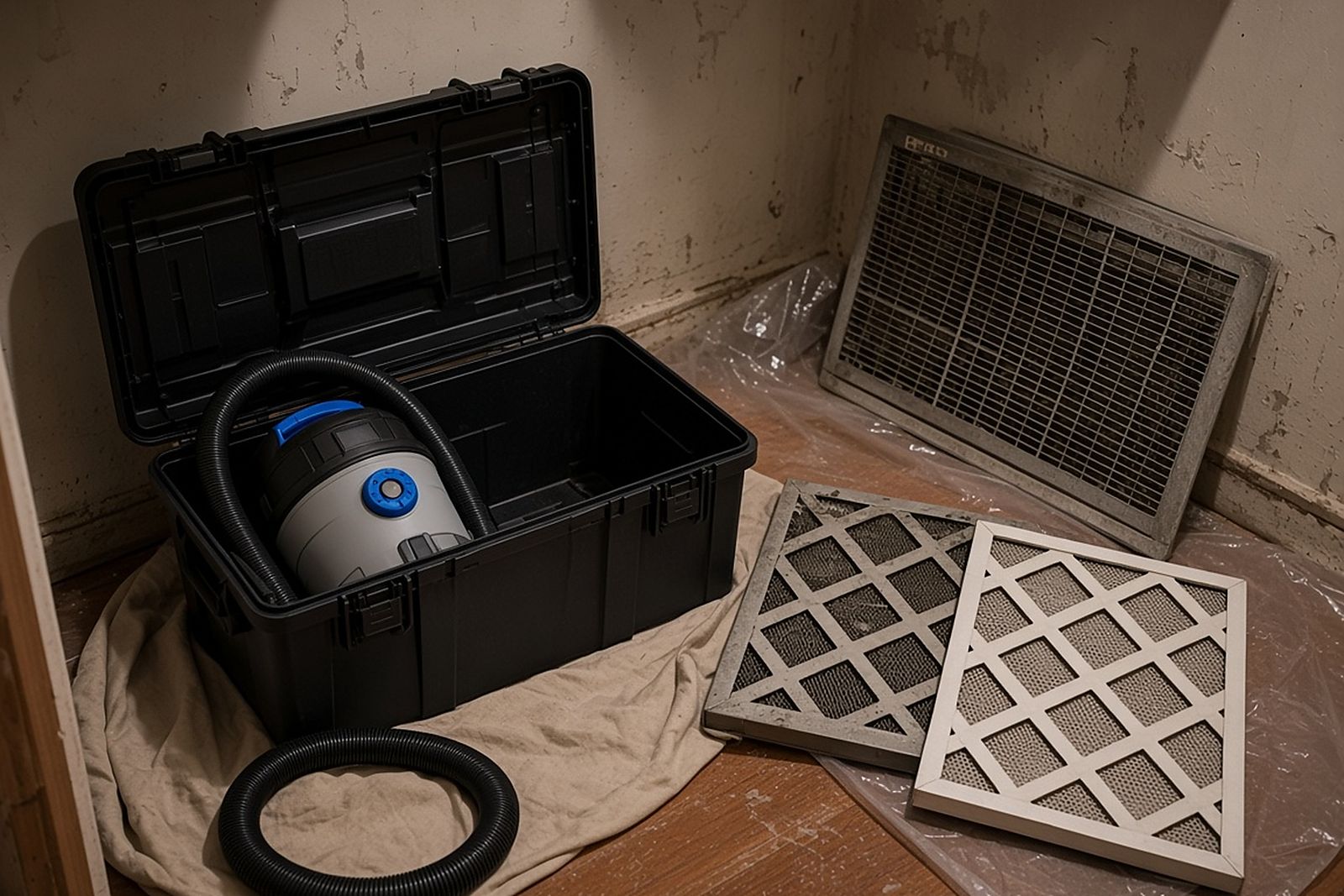
How Tear Gas Residue Cleanup Practice Has Changed
How tear gas cleanup moved from airing out and repainting to targeted chemistry, HVAC work and claim-ready records as indoor deployments became more common.
Tear gas residue cleanup used to mean opening windows, vacuuming and hoping symptoms faded. As tactical deployments into homes and protest-related exposures became more common, practice shifted toward identifying the agent, using chemistry suited to CS or OC, treating HVAC systems, making careful soft-goods decisions, protecting workers with respirators and producing documentation that supports insurance and damage claims.

Tear Gas Residue Cleanup for Property Managers: What You Need to Know
What property managers should do after CS or pepper spray reaches a unit or common area: HVAC lockout, tenant notices, vendor scopes and turnover records.
When tear gas reaches a property you manage, treat it as a building-wide air and surface problem, not a single-unit mess. Lock out the HVAC serving the area, keep tenants and staff out of affected spaces, document conditions, and hire a provider who will clean surfaces, soft goods and ductwork in the right order. Keep written records so turnover, claims and tenant questions can be answered later.
Tear Gas Residue Cleanup Planning Example: Building a Defensible Scope
Follow a fictional duplex hit with CS canisters from agency release to final walkthrough, and see how a tear gas remediation scope is built and defended.
A defensible tear gas residue scope starts with the deployment facts, follows the air path through the building, sorts every material into clean, launder or discard with a stated reason, fixes the order of work so cleaned rooms are not recontaminated and ends with a documented walkthrough under normal HVAC operation. This invented duplex example shows each of those steps in practice.
Commercial vs Residential Tear Gas Residue Cleanup
Tear gas in a home versus a storefront, office or restaurant: how HVAC size, inventory, food rules and reopening pressure change a residue cleanup plan.
CS and OC residue behave the same way in a house and a business, but the cleanup plan does not look the same. Homes usually involve bedding, clothing, a single furnace and a displaced family. Businesses add rooftop or multi-zone HVAC, inventory, employee safety duties, food-contact rules and pressure to reopen. A good provider adapts the order of work and the documentation to the setting.
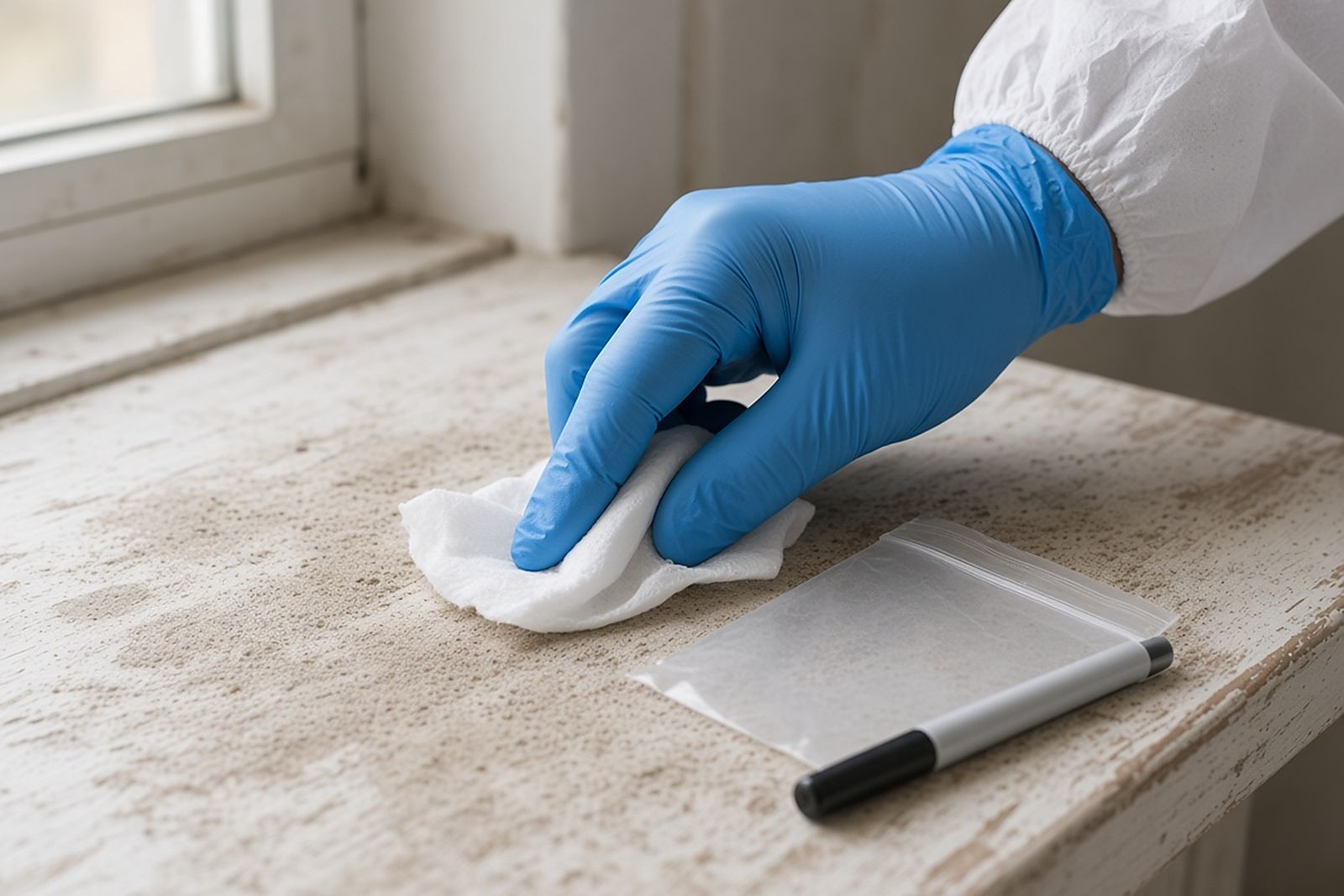
Environmental Responsibility in Tear Gas Residue Cleanup
Keeping CS and pepper spray residue out of storm drains, soil and landfills: how a tear gas cleanup can limit its footprint without leaving irritants behind.
Environmental responsibility in tear gas residue cleanup means capturing particles with HEPA equipment instead of blowing them outdoors, collecting wash water rather than hosing it into storm drains, choosing cleaning chemistry that breaks the agent down without excess, salvaging soft goods that can truly be cleaned and handling spent munitions and contaminated debris through proper channels. Protecting occupants still comes first.
Sourced figures on industry insights
- 89 tear gas uses in 34 states
Amnesty International recorded 89 uses of tear gas in 34 states and 21 uses of pepper spray in 15 states plus D.C. between May 26 and June 5, 2020.
Read with care: Counts verified incidents in one short period; total 2020 deployments were higher.
Source: Amnesty International (2020)United States, 11-day window in 2020
- 100,000+ injured; 14 deaths
Physicians for Human Rights reports that more than 100,000 people have been injured by chemical irritants since 2015 and at least 14 have died from canister trauma.
Read with care: Global figure dominated by mass protest settings, not residential incidents.
Source: Physicians for Human Rights / INCLO (2023)Worldwide medical literature review, 2015 onward
- 79% of SWAT deployments in homes
The ACLU's analysis of more than 800 SWAT deployments by 20 agencies in 2011–2012 found 62% were for drug searches and 79% involved searching a person's home.
Read with care: Not a nationally representative sample and not every deployment used chemical agents.
Source: ACLU (2014)20 US law enforcement agencies, 2011–2012
These figures are public research and agency data, not this network's own job records. Keep each number with its population, year and limits; none of them predicts cost, timing or outcome at a specific property.
What research has found
Findings from published studies of people and properties in situations like this one. They describe what researchers observed in a specific group; they are not predictions for your case.
More reported exposure days were associated with more delayed issues, except mouth-related issues.
Industry Insights: common questions
Why do so few companies advertise tear gas cleanup specifically?
Gas is not often used inside homes and businesses. So many firms fold this service into broader chemical or crime scene cleanup work. That does not mean they lack experience. Ask any company how many tear gas jobs they have handled lately and what they learned from them.
Is it a problem if the company subcontracts part of the job?
Hiring other firms for parts of the job can be normal, most of all for duct cleaning or disposal. But you should know who is doing what. Ask the main company to name the other firms and confirm they are covered by the same scope. Ask who you contact if something goes wrong. Clear duties matter more than whether one firm does everything.
Are there industry standards for tear gas cleanup?
There is general guidance on chemical cleanup, breathing protection, and air duct cleaning that many firms use. But no single standard just for tear gas residue is used everywhere. That makes a provider's written method and records extra important. Ask which guidance they follow and why they chose it.
Why do some restoration companies avoid tear gas jobs?
Some companies lack experience or equipment for irritant residue, or worry about liability, worker safety and the difficulty of confirming completion. Others may not see enough demand to invest in training. A company that declines a job it is not prepared for is being honest. It is better than taking on a job and treating it like ordinary cleaning.
How do providers decide how to price tear gas jobs?
Providers generally consider labor, protective equipment, HEPA equipment, cleaning products, waste handling, HVAC work and documentation time. Soft goods and ductwork often drive the total. Some price by room or area, others by time and materials. Ask any provider to explain how the price was built, and compare the scope, not just the final number.
Do providers work with public adjusters or attorneys?
Some providers are used to working with public adjusters, lawyers, and agency claims staff. They can supply records in the formats those people need. Others focus only on the cleanup. If you expect a complex claim, ask whether the provider has experience helping with requests for records. Ask whether there is any extra charge for detailed reports or for testifying.
How can the industry improve verification of tear gas cleanup?
Better checks could include clearer walk-through steps and wider access to testing for specific chemicals. Shared ways of judging soft items and air systems would also help. Until those develop further, a careful process, good records, and checks on how people feel in the space remain the main tools. Homeowners can help. Ask providers to explain how they judge that the job is done, and keep records of any later problems.
Related community polls
Every count is a real visitor vote; nothing is seeded or padded. One vote per poll per device, and you can change your answer.
How did tear gas end up in your building?
What was the first thing you tried to reduce the irritation?
More on tear gas residue cleanup
Tear Gas Residue Cleanup services
Learn what professional tear gas cleanup involves. It covers HEPA removal, the right chemicals, air system checks, choices about soft items, and safe return checks.
Costs explained
What drives the price, published cost ranges, and how to read a written quote line by line.

Insurance and payment
Which policies may respond, how to document a claim, and what to do if coverage is denied.
Planning tools
Use planners and checklists that walk you through the first day. They help you judge the risk of doing it yourself and get ready to talk with providers, landlords, and insurers.
Community polls
Compare your experience with other tenants, owners, and managers who dealt with tear gas residue. See which choices they found hardest afterward.
Knowledge quiz
Check what you know about how CS and OC residue behaves, why the air system matters, and what a thorough cleanup and its records should include.
Field guides
Read detailed guides on where residue hides, breaking it down versus cleaning it, who does what as landlord or tenant, and what a written cleanup plan should say.