Tear Gas Residue Cleanup: Regulations
How to identify the worker-safety, waste, transport, environmental, and local rules that may apply to tear gas residue cleanup. Confirm jurisdiction-specific requirements with the issuing authority.
The rules group covers the patchwork of rules that touch tear gas cleanup. These rules are less settled than for many other hazards. Articles explain how officials decide how to sort soiled carpet, filters, and debris. They explain why your local hauler or county may treat those materials differently than the next county over. We also look at workplace safety rules. These apply to workers cleaning business spaces and to the cleanup crews. We also cover what landlords must do when a rental becomes unlivable after gas is used.
Get an email reply about tear gas residue cleanup
Send a short message to the follow-up inbox. A coordinator can reply by email. This form does not send emergency help; call 911 first if anyone is in danger.
Other posts look at legal questions about the police action itself. They explain how property damage requests to police agencies usually work and what records you can ask for. We are careful not to state rules that may not apply where you are. So the posts focus on which office to ask and what questions to put to them. You will also read about disclosure when you sell or rent a property where gas was used. You will see how cleanup records can support honest answers. Treat these articles as a map to the right office, not as legal advice for your case.

OSHA Regulations and Tear Gas Residue Cleanup
What OSHA and NIOSH say about tear gas, how gear rules shape the cleanup, and what homeowners should ask a crew to show them.
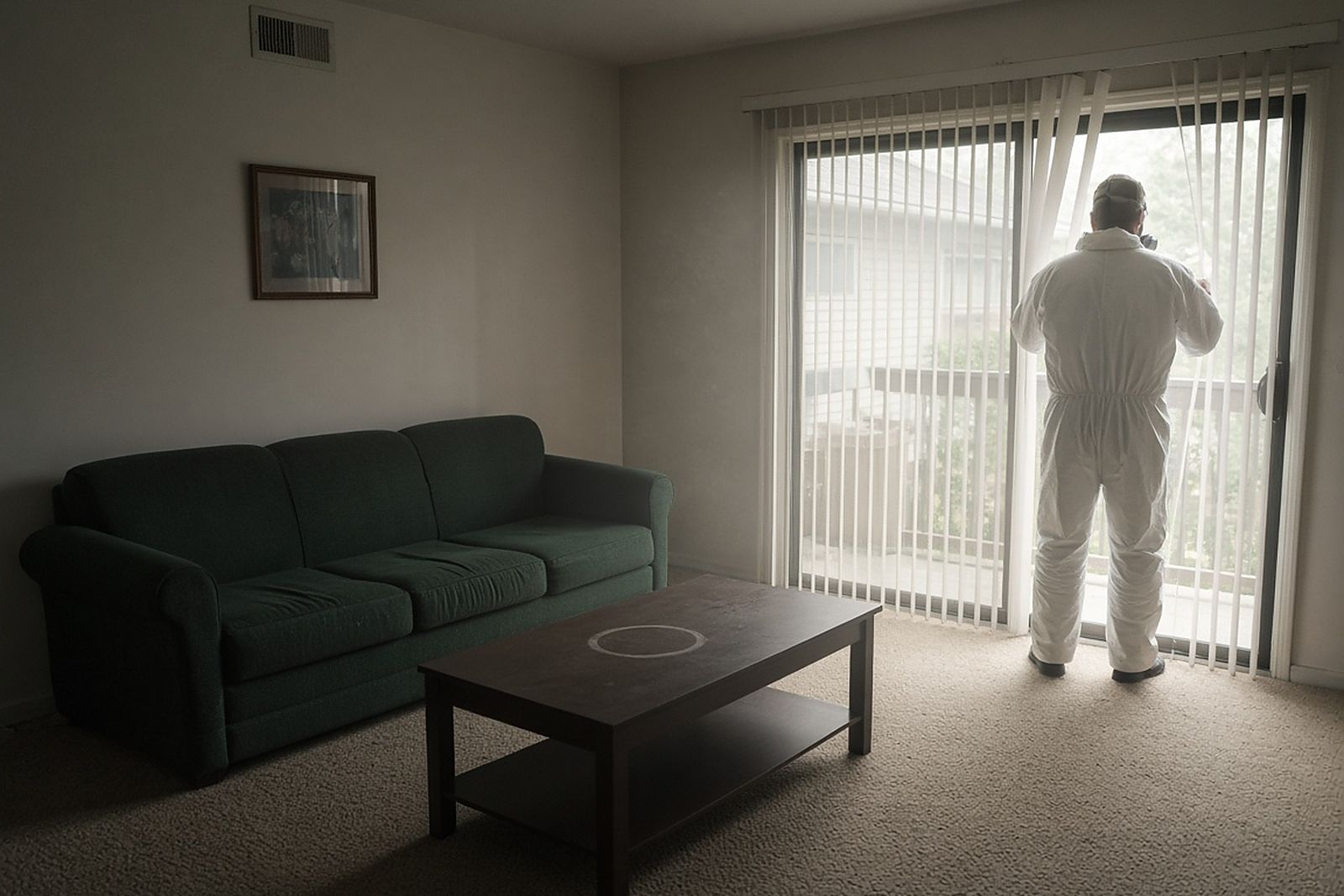
OSHA protects the workers who remove tear gas residue from a home or business. CS tear gas has a federal limit on how much workers may breathe. Crews working in rooms coated with residue fall under OSHA rules for respirators and protective gear. They also fall under chemical safety rules for the cleaning products they use. OSHA does not certify that your home is clear. So you should also ask how the company checks the result.
Which Federal, State, and Local Rules Apply to Tear Gas Residue Cleanup?
How federal exposure limits, state claim and tenant laws, and local health, code and claims offices shape what happens after tear gas is used in a home.
Few laws speak directly to tear gas residue cleanup. Federally, OSHA sets a permissible exposure limit for CS that protects cleanup workers. States control notice-of-claim rules for suing government agencies, landlord-tenant duties and insurance regulation. Local health departments, code offices and city claims processes determine reopening, repair permits and compensation steps. The deadlines in those state and local rules are often the most urgent part.
How to Research Waste Rules for Tear Gas Residue Cleanup
How to research disposal rules for tear gas cleanup waste: spent canisters, soaked soft goods, exposed food, HVAC filters, alkaline wash water and used PPE.
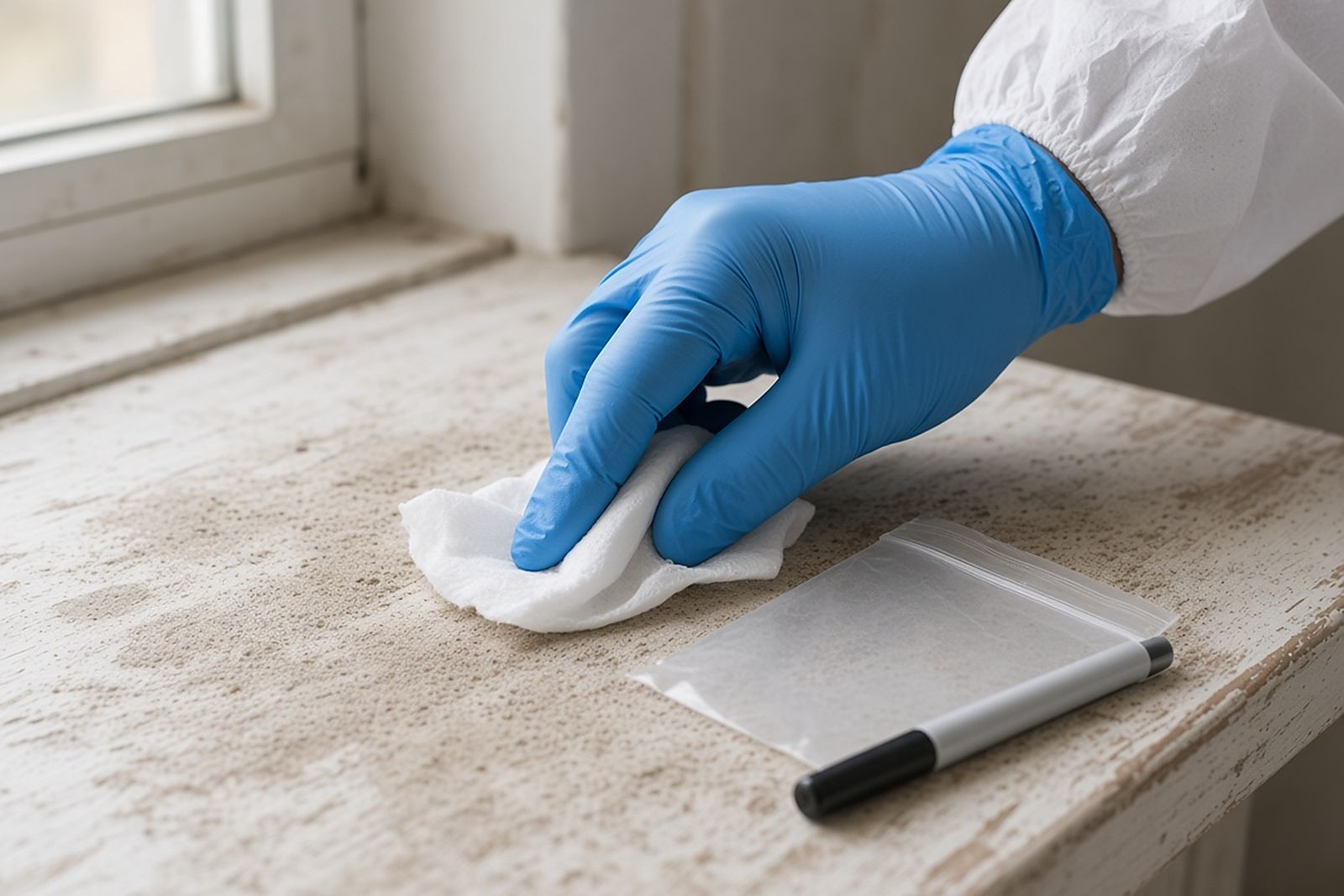
Research tear gas cleanup waste by stream. Spent canisters and projectiles belong to the police and should not be handled. Contaminated soft goods, exposed food, filters, duct sections, broken glass and PPE usually go through ordinary solid waste channels, bagged and sealed, but state and local rules decide the details. Alkaline wash water may need sewer approval. Document everything for insurance and any agency claim.
Sourced figures on regulations
- 0.05 ppm (0.4 mg/m³)
The NIOSH recommended exposure limit for CS is a ceiling of 0.05 ppm (0.4 mg/m³) with a skin notation; the OSHA PEL is the same value as a time-weighted average.
Read with care: Workplace limits apply to workers, not residents, and residue on surfaces is not measured in ppm.
Source: NIOSH (CDC) (2019)US workplace exposure limits
- 15 min (pH 7) vs 1 min (pH 9)
CS hydrolyzes with a half-life of about 15 minutes at pH 7 but about 1 minute at pH 9, so alkaline solutions break it down far faster.
Read with care: Half-life in solution does not equal persistence of dry residue on carpet, drywall or HVAC surfaces, where CS is sparingly soluble.
Source: National Research Council (2014)Laboratory chemistry of CS in solution
- $357.5 million
IBISWorld counted nearly 600 U.S. crime-scene cleanup firms with revenues of $357.5 million and profits over $99 million in 2015.
Read with care: Decade-old figure reported secondhand; IBISWorld no longer publishes this niche report publicly.
Source: IBISWorld (reported by The Philadelphia Inquirer) (2015)United States, crime scene cleanup industry, 2015
These figures are public research and agency data, not this network's own job records. Keep each number with its population, year and limits; none of them predicts cost, timing or outcome at a specific property.
What research has found
Findings from published studies of people and properties in situations like this one. They describe what researchers observed in a specific group; they are not predictions for your case.
More reported exposure days were associated with more delayed issues, except mouth-related issues.
Regulations: common questions
Is tear gas residue regulated like other hazardous chemicals?
Residue from tear gas does not always fit neatly into existing waste groups. How the waste is treated can vary from place to place and from hauler to hauler. Some materials may be accepted as regular trash when they are bagged the right way. Others need a different path. Ask your environmental health office or waste authority how they sort it locally.
Do I have to tell a buyer or new tenant about a past deployment?
What you must disclose depends on where the property is. It also depends on what the law there counts as an important condition. Even where no specific rule exists, keeping the cleanup records lets you answer questions correctly. A real estate lawyer or your state's real estate board can explain what applies to your sale or lease.
Can I request records from the agency that used the gas?
Most public agencies take requests for incident reports through a records unit. Some details may be held back while an investigation is open. Send a written request. Ask what fees or wait times apply, and keep a copy. The report can help show when the event happened and which gas was used.
Does a landlord have to fix tear gas damage caused by police?
Landlords generally must keep rentals fit to live in. Leftover irritant residue may affect whether a home is livable. The details depend on state and local law and on your lease. Tell your landlord in writing. Describe your symptoms and the affected areas, and keep copies. If the landlord does not respond, a tenant rights group or a lawyer can explain your options.
Are there rules about who can clean up after a police deployment?
There is usually no license just for tear gas cleanup. But related rules may apply. Crews may need to meet workplace safety rules. Air system or building work may need a license. Ask providers what rules they follow. Ask whether they use licensed subcontractors for work that is regulated. Your local code or health department can tell you about any local rules.
Can a city require cleanup before a business reopens?
In some cases, local health or code offices may require an inspection or evidence of cleanup before reopening, especially for food service, childcare or healthcare settings. Contact the relevant office early and ask what they need to see. Keep the provider's scope and closeout records ready. Requirements vary, so do not assume one approach fits every location.
What rights do I have if the agency damaged my property during the deployment?
You may be able to file a claim with the city or agency for property damage and related costs. In some cases you may have other legal options too. The process and deadlines depend on state and local law. Contact the agency's claims office for forms and instructions. Record everything. Think about talking with a lawyer, most of all if the damage is large or the claim is denied.
Related community polls
Every count is a real visitor vote; nothing is seeded or padded. One vote per poll per device, and you can change your answer.
How did tear gas end up in your building?
What was the first thing you tried to reduce the irritation?
More on tear gas residue cleanup
Tear Gas Residue Cleanup services
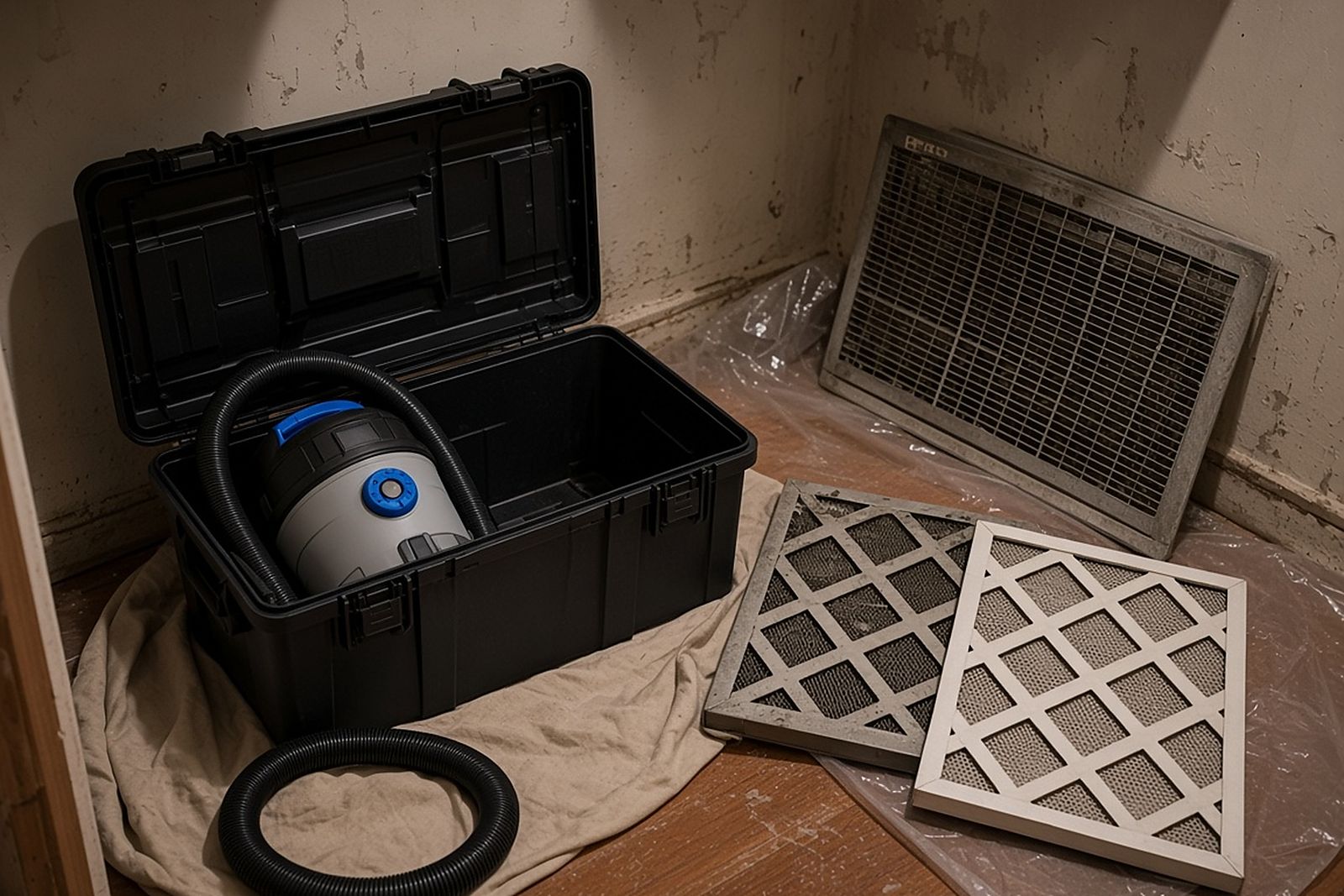
Learn what professional tear gas cleanup involves. It covers HEPA removal, the right chemicals, air system checks, choices about soft items, and safe return checks.
Costs explained
What drives the price, published cost ranges, and how to read a written quote line by line.
Insurance and payment
Which policies may respond, how to document a claim, and what to do if coverage is denied.
Planning tools
Use planners and checklists that walk you through the first day. They help you judge the risk of doing it yourself and get ready to talk with providers, landlords, and insurers.
Community polls
Compare your experience with other tenants, owners, and managers who dealt with tear gas residue. See which choices they found hardest afterward.
Knowledge quiz
Check what you know about how CS and OC residue behaves, why the air system matters, and what a thorough cleanup and its records should include.
Field guides
Read detailed guides on where residue hides, breaking it down versus cleaning it, who does what as landlord or tenant, and what a written cleanup plan should say.