Short answer
There is usually no dedicated license for tear gas residue cleanup, so credentials come from related training and records. Look for chemical-hazard and respiratory protection training, a fit-tested respirator program, familiarity with CS and OC chemistry, a qualified HVAC partner, adequate insurance, and documentation of what was cleaned, discarded and inspected. Those records also support insurance claims and any claim against a responsible agency.
Is there a certification specifically for tear gas cleanup?
In most places, no. Tear gas residue cleanup sits at the edge of several trades: chemical remediation, restoration, HVAC cleaning and biohazard work. A company doing it may hold credentials from any of those fields, but there is rarely a license with the words tear gas on it.
That can make hiring confusing. A company may truthfully say it is certified, but the certificate might cover water damage restoration or mold work rather than chemical irritants. Neither is a bad credential, but neither proves the crew understands how CS or OC behaves in a building.
Check with your city or county building department whether any contractor license or building permit applies, particularly if structural repairs, window replacement or significant HVAC work is part of the job. The rest of this article explains which credentials and records tell you the most.
Experience is also a credential of a kind. Ask how many jobs involving riot-control agents the company has completed and whether it can describe, without naming clients, what it learned from them. Specific, practical answers are more reassuring than a general claim of expertise.
Respiratory training comes first
Riot-control agents are powerful irritants even at tiny concentrations, and cleanup deliberately disturbs the residue. It does not take much CS in enclosed air to create a serious hazard for the people doing that work.
A company doing this work should have a respiratory protection program. Under OSHA rules, employers that require workers to wear tight-fitting respirators generally need to provide medical evaluation, fit testing and training. Ask whether the crew members assigned to your job have been fit tested for the respirators they will wear and what type of cartridge or supplied-air system they use.
Eye and skin protection matter as well. CS is irritating to skin, particularly in warm, humid conditions, and OC resin clings to exposed skin. Crews should wear eye protection, gloves and protective clothing, and should have a routine for removing contaminated gear without spreading residue.
Ask how the crew decides when it is safe to work without full respiratory protection, if ever. A trained supervisor should be able to explain that decision rather than leaving it to individual workers who may feel pressure to finish quickly.
Chemical knowledge the crew should be able to show
Good tear gas cleanup is applied chemistry. A crew should know that CS is a fine crystalline solid that can be carried on air currents and resuspended, that it breaks down faster under alkaline conditions, and that OC is an oily resin that tends to need degreasing rather than simple washing.
Ask the supervisor to explain how they choose cleaning solutions for your building. A competent answer will mention which agent was likely used, which surfaces are involved and how the product choice protects finishes while breaking down or lifting residue. It may also mention testing a small area first on delicate materials.
Hazard communication is part of this. OSHA's hazard communication rule requires employers to train workers on the chemicals they use, including cleaning products, and to keep safety data sheets available. A company that follows that rule should be able to show you the safety data sheets for its products.
The role of HVAC credentials
The air system is one of the main reasons tear gas symptoms return after cleaning. Residue settles on filters, coils, blower wheels and duct interiors, then gets pushed back into living spaces every time the system runs.
Some remediation companies clean ducts themselves; others partner with a separate HVAC or duct-cleaning contractor. Either arrangement can work. What matters is that the person working on your system is qualified to do so and understands that the goal is removing chemical residue, not just dust.
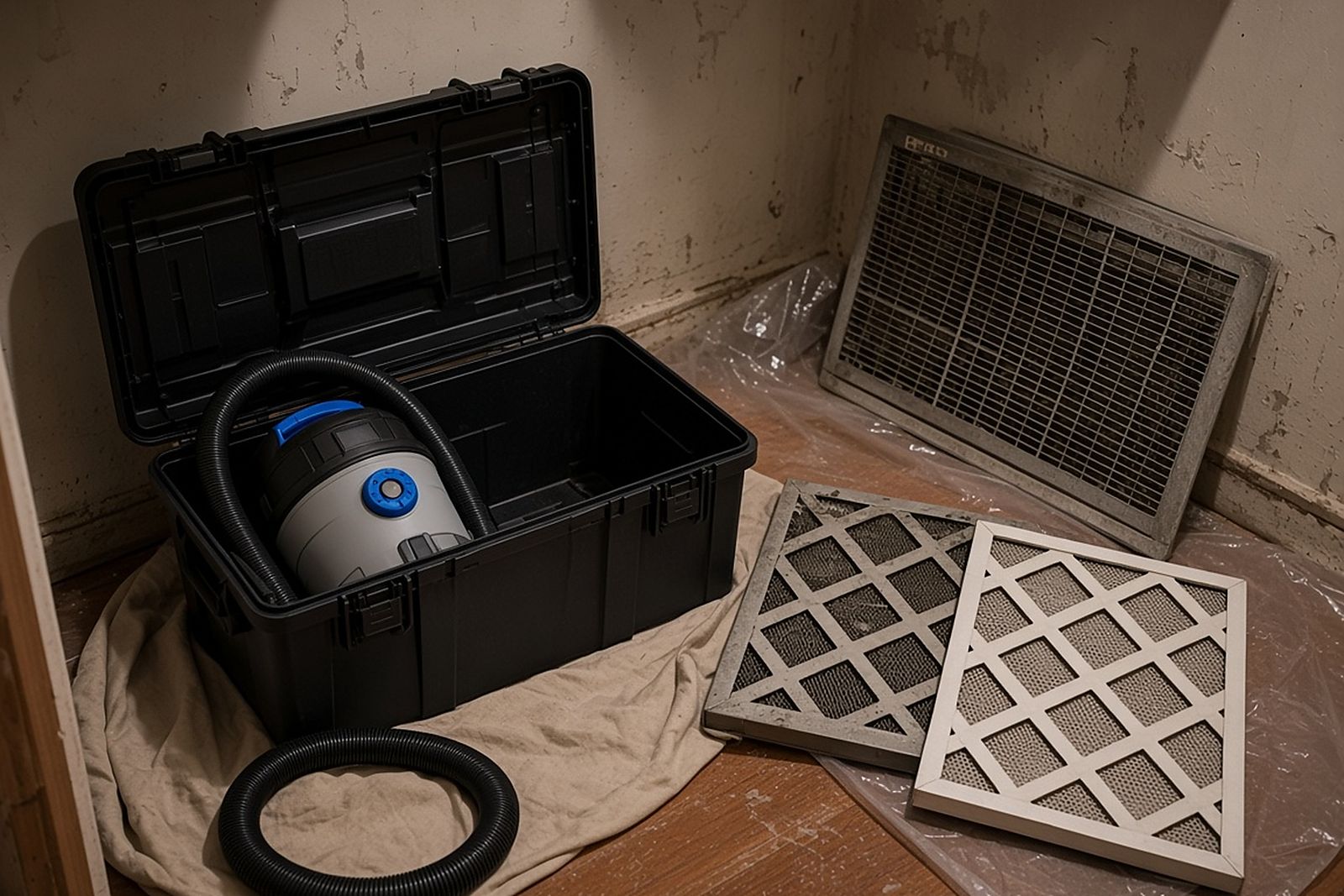
Ask who will handle the HVAC work, what licensing that contractor holds in your area, how residue will be contained while ducts are cleaned, and whether filters and any heavily exposed components will be replaced. Ask how the remediation company and the HVAC contractor will coordinate so that clean ducts are not recontaminated by rooms that have not been finished yet.
Ask as well whether the HVAC contractor will document the condition of the system before and after, with photos of filters, coils and duct interiors. Those images are often the clearest proof that the air system was addressed.
Seven records a tear gas cleanup company should produce
Records serve two purposes here. They show that the work was done properly, and they support any effort to recover costs from an insurer, a municipality or another responsible party. Keeping a thorough file can make those conversations far easier.
A useful job file typically includes the following:
- An initial assessment noting the agent used, if known, the number and location of canisters, and affected rooms.
- Photographs of each area before and after cleaning.
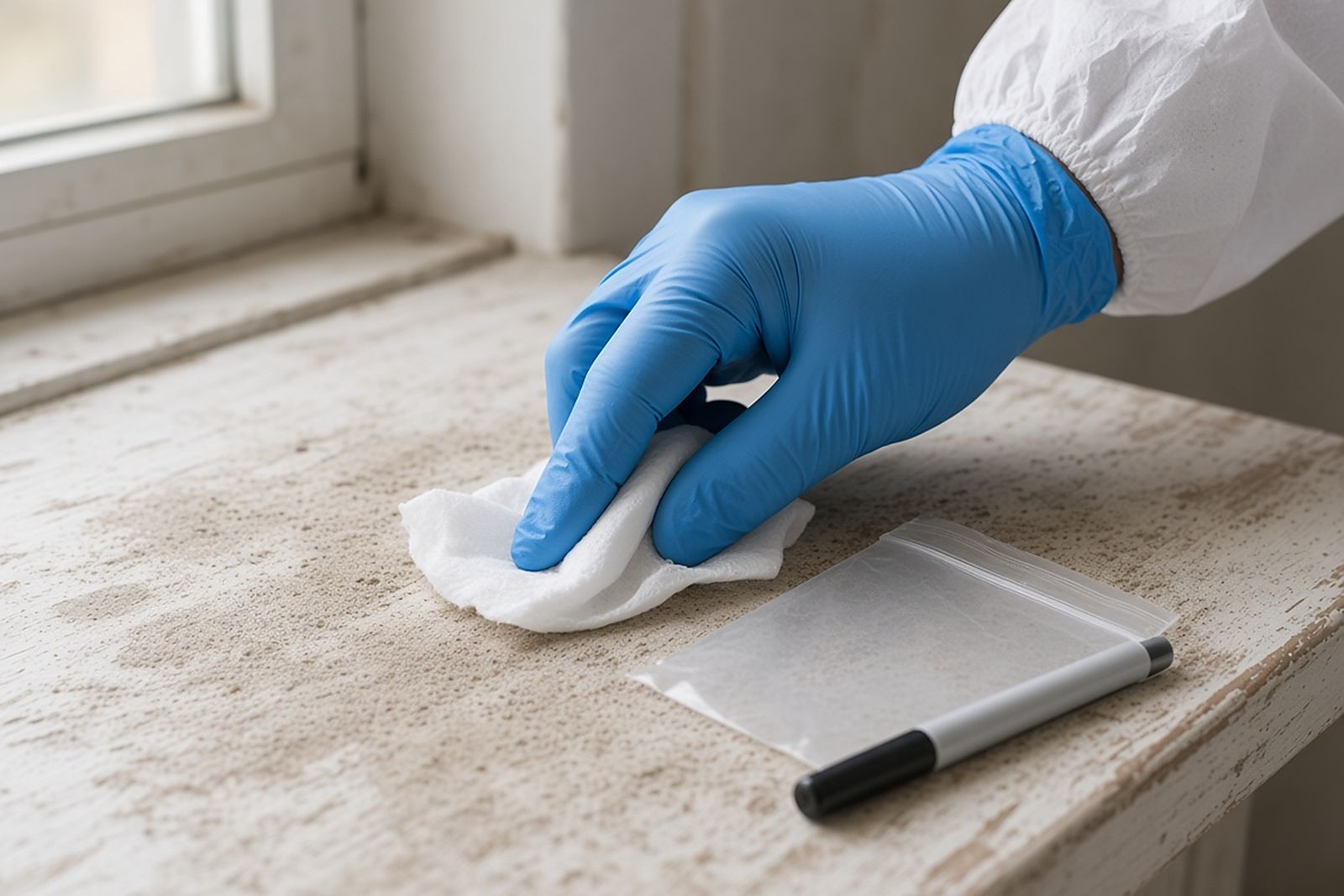
- A description of cleaning methods and products, with safety data sheets available on request.
- An itemized list of soft goods and belongings that were cleaned, and those that were discarded with the reason.
- HVAC work performed, including filters replaced and components cleaned.
- Waste handling and disposal records.
- Notes from a final walkthrough, including any areas flagged for follow-up.
How credentials help if you pursue reimbursement
When tear gas was deployed by law enforcement, owners sometimes seek reimbursement from their insurer, the agency involved or both. The outcome depends heavily on the policy language, local law and the facts of the event, and it can be difficult.
Recoveries are sometimes small or refused altogether, which is exactly why documentation matters. Whoever reviews your claim will want to know exactly what was damaged, what it cost to fix and why each step was necessary.
A company with qualified staff and thorough records gives you better evidence. Keep your own copy of everything, including incident report numbers, photos you took on returning to the building and every invoice.
Vetting a crew for a small business
Small businesses often turn first to a restoration company they already know from a past water leak or fire. That can work, but only if the crew has the specific skills this job needs. A café near a protest route with broken front windows, canisters on the floor and staff coughing within minutes of opening is a very different job from a burst pipe.
Four questions do most of the vetting. Has the crew handled riot-control agents before? Do workers wear fit-tested respirators? Which cleaning chemistry will they use for CS? Who will clean the kitchen hood and the building's air handler?
A qualified project manager answers each one specifically: describing the respirator program and fit testing, explaining that alkaline cleaning solutions will be used on hard surfaces, naming a licensed HVAC partner who will replace filters and clean the ducts, and noting that food-contact surfaces and any open food will be handled with the local health department's requirements in mind.
Then ask for a written scope and a photo report. When the business later files an insurance claim, that report and an itemized list of discarded goods are what the adjuster will review.
Insurance credentials to confirm
Ask for certificates of general liability insurance and workers' compensation. Because the job involves chemical residue, also ask whether the company carries pollution or environmental liability coverage, since standard policies may exclude claims involving chemical contaminants.
If an HVAC subcontractor is involved, ask for that contractor's insurance as well. Confirm with each insurer that the coverage is active on the dates of the work.
These checks may feel excessive after an already stressful event. They protect you if a worker is injured, if property is damaged during cleaning, or if residue is spread to a neighbor's unit.
Choosing among qualified companies
Once you have confirmed training, respiratory protection, chemical knowledge, HVAC capability, documentation and insurance, you can compare the remaining companies on communication, availability and how clearly each explained its plan.
Ask each finalist what happens if symptoms return after re-occupancy. A qualified company should have a process for revisiting, identifying the source and addressing it, and should be willing to put that process in writing.
If anyone in the building continues to have breathing problems, eye pain or skin irritation, encourage them to talk with a health professional. A good cleanup company will understand that health concerns and cleaning are connected but separate, and will support both.
Take notes on each conversation. Comparing written details side by side is easier than trying to remember which company said what in the days after a stressful event.