Short answer
Tear gas cleanup is stressful because it follows a frightening event, often one you did not cause, and because lingering residue can keep triggering physical symptoms that remind you of it. You can reduce the strain by confirming the building is safe before returning, separating health care from cleanup, documenting everything for claims, setting realistic timelines, protecting routines and seeking support if distress persists.
Why does tear gas cleanup take such an emotional toll?
Tear gas usually enters a home or business through force. A police tactical team deploys canisters during a standoff or search. A protest passes nearby and gas drifts or is fired into a building. Sometimes the people inside had nothing to do with the reason for the deployment.
That means the cleanup often follows an experience of fear, loss of control and violation of a private space. Doors may be broken, windows shattered and belongings damaged. You may have been ordered out of your own home, or watched from a distance while it happened.
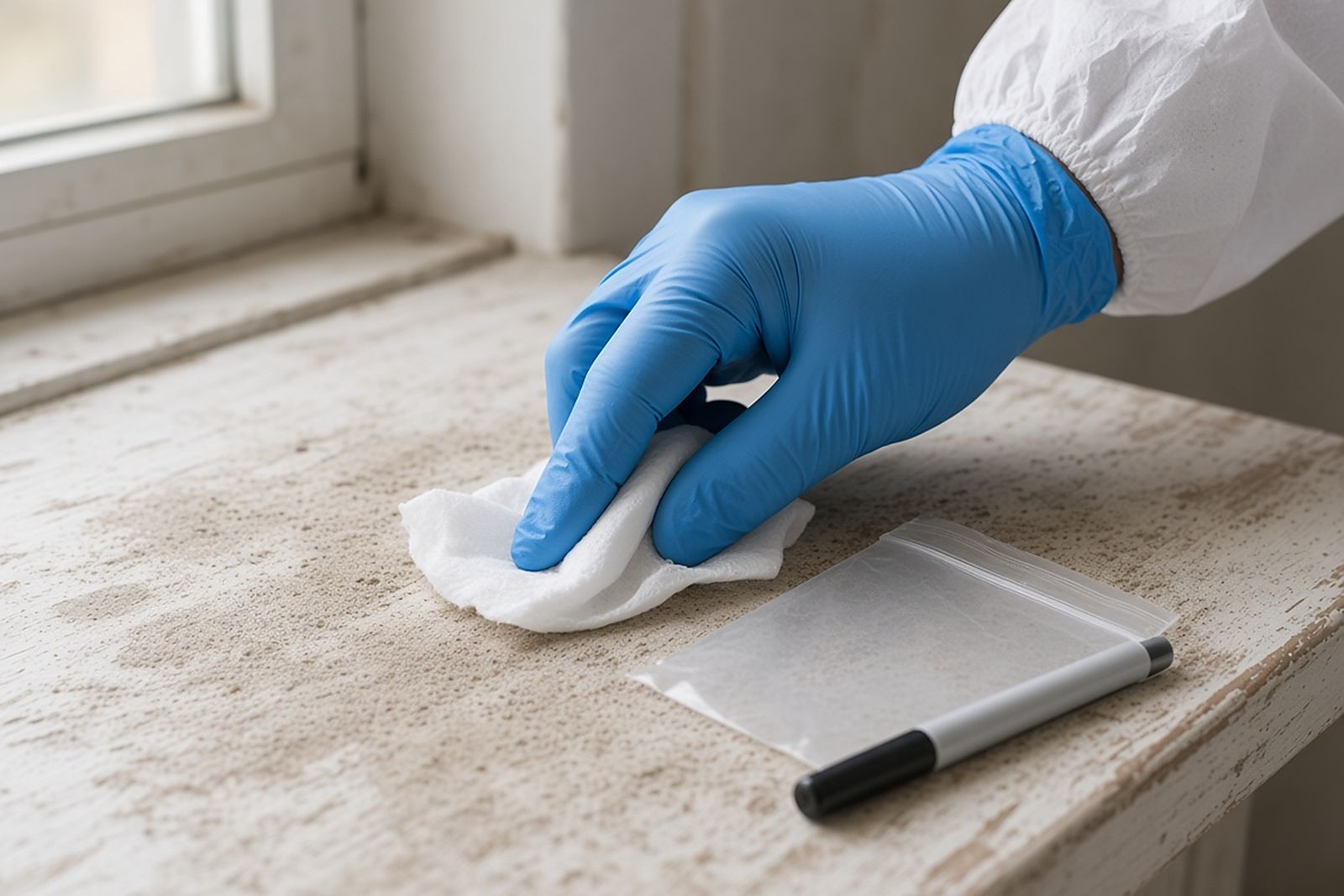
Then there is the residue itself. Because riot-control agents are designed to cause burning and tearing at very low levels, a poorly cleaned home can keep producing symptoms long after the event. Each flare of irritation can bring the memory back. Understanding that link between physical symptoms and emotional stress is a useful starting point.
Anxiety and anger for weeks afterward are common
Research on people exposed to tear gas suggests psychological effects are common. In a 2021 study published in BMC Public Health, Torgrimson-Ojerio and colleagues surveyed 2,257 adults who reported exposure during 2020 protests in Portland; 72.4 percent reported psychological health issues. That survey involved outdoor protest exposure rather than home cleanup, and participants chose to respond, but it suggests that emotional effects after tear gas are far from rare.
You may notice trouble sleeping, being easily startled, anger, a sense of unease in your own home, or avoidance of certain rooms. Some people feel intense frustration at the agency involved, at insurance companies or at the slow pace of repairs.
Those responses are understandable. They often ease as the home is restored and daily life resumes. If they stay intense or keep interfering with work, relationships or sleep, that is a sign to seek extra support.
Business owners often describe a particular kind of stress: worry about staff, lost income while the doors are closed, and uncertainty about whether customers will feel comfortable returning. Those concerns are valid, and planning for them is part of recovery.
Residue symptoms or stress? Telling them apart
This can be genuinely hard. Burning eyes, a scratchy throat, coughing and skin irritation can come from remaining residue, especially when carpets are walked on, upholstery is used or the HVAC system turns on. Anxiety can also cause chest tightness, shallow breathing and a sense of being unable to relax.
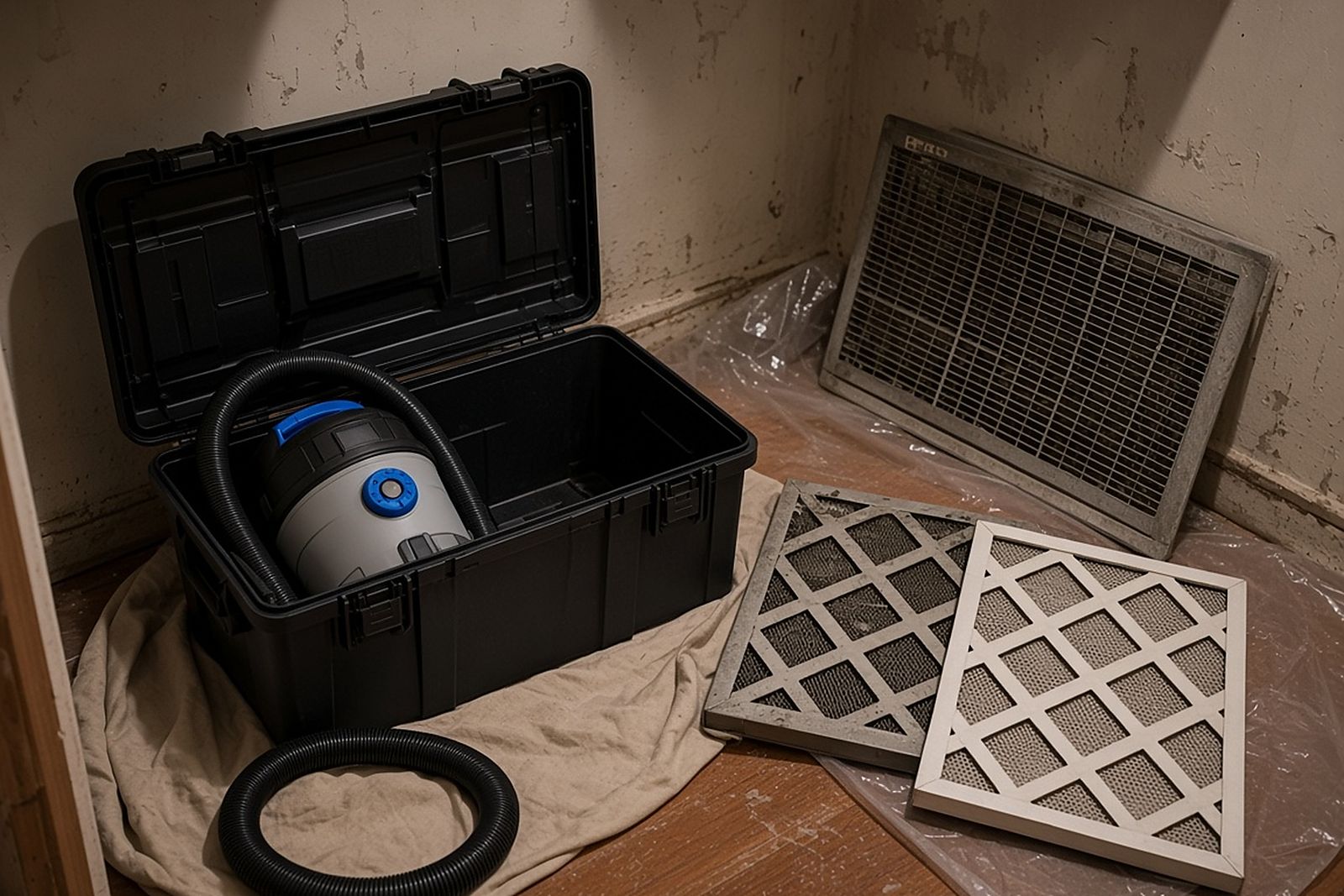
Pay attention to patterns. Symptoms that appear in particular rooms, flare when the furnace or air conditioning runs, or ease when you leave the building point toward residue. Tell your cleanup company, because those patterns help identify missed areas such as ducts, filters or soft goods.
At the same time, do not dismiss physical symptoms as just stress. If anyone in the household has ongoing breathing trouble, eye pain or skin problems, see a health professional. Getting clear medical guidance can reduce worry on its own.
Keep a short symptom diary for a week or two after cleanup. Note the time, the room, whether the air system was running and what you were doing. That record is useful for your contractor, your doctor and, if needed, an insurer, and writing things down can also make symptoms feel less random and threatening.
Before going back inside
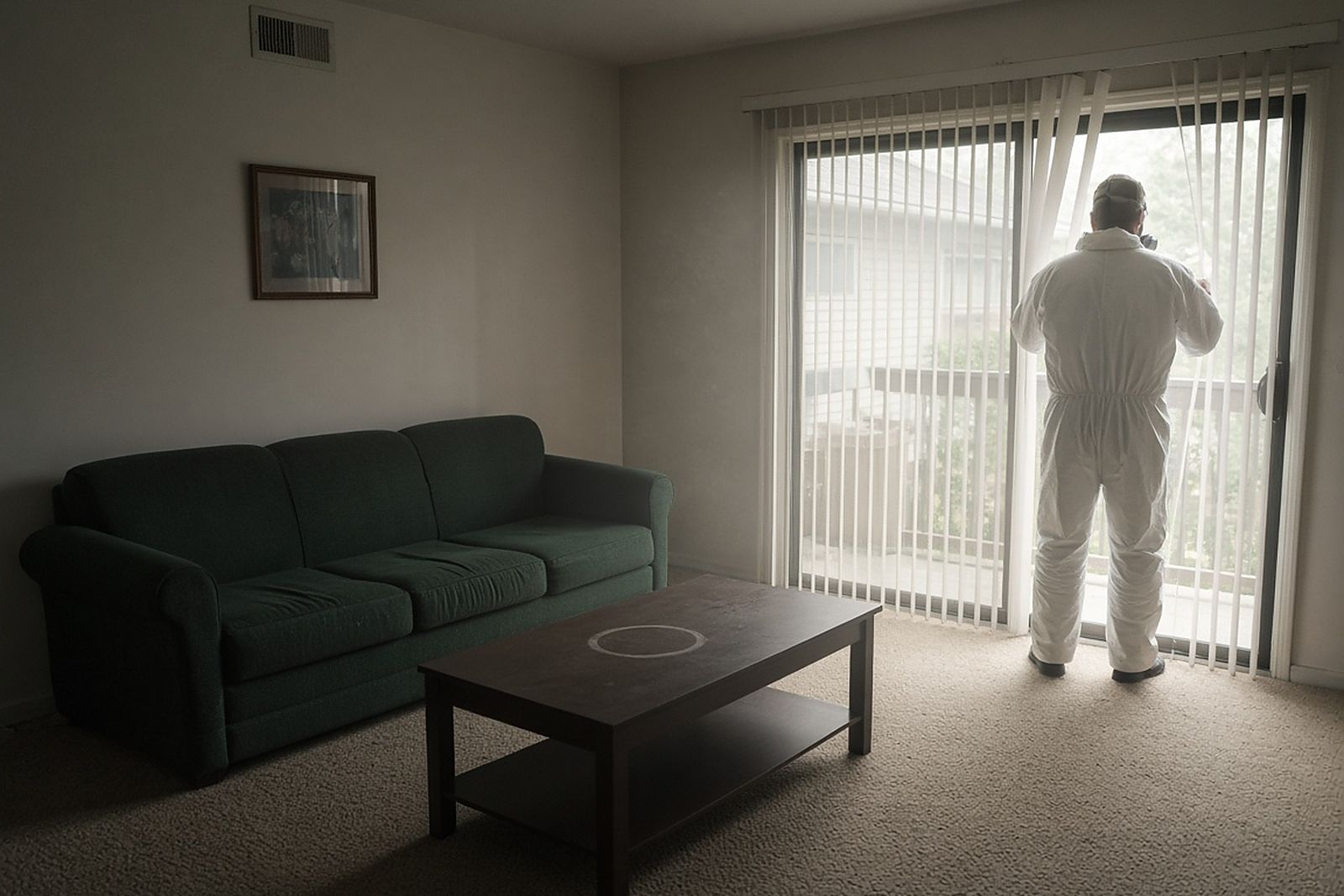
Returning to a home that was gassed can be upsetting even before you notice any symptoms. A few steps can make re-entry feel safer and more controlled.
If you feel unable to go back in yourself, that is okay. A trusted friend, relative or the cleanup supervisor can do the first walkthrough and describe what they see, so that your own return is less of a shock.
Consider these before you or your family go back in:
- Ask the responding agency whether the scene has been released and which agent was used, if they will tell you.
- Photograph damage from the doorway before touching anything, for insurance and any claim.
- Keep children, older relatives, pets and anyone with asthma out until the building has been assessed and cleaned.
- Do not run the heating or cooling system until a professional has looked at it.
- Avoid washing heavily exposed clothing in your home machine until you have advice on how to handle it.
- Arrange a place to stay for a few days if the home is not yet usable.
Coping with the disruption to daily life
Tear gas cleanup can take a home or business out of use for days or longer, depending on how many rooms were affected, whether soft goods must be replaced and whether the air system needs cleaning. Repairs to doors and windows may add time.
Ask your cleanup company for a written timeline and a list of what could extend it. Ask when each room is likely to be usable again. Plan for the longer estimate, so that delays feel less like setbacks.
Choose one person in the household to manage communication with the contractor, insurer and any agency involved. Keep a simple log of calls, names, dates and promises. That structure prevents information from getting lost and reduces the sense of chaos.
Protect routines wherever you can. Regular meals, sleep, school and work, even from a temporary location, give everyone something steady while the home is being restored.
Managing frustration with insurers and agencies
Financial and legal questions are often the most draining part. Coverage for tear gas cleanup depends on your policy language, and reimbursement from a government agency depends on local law and circumstances. Outcomes vary widely, and the process can be slow.
Organize your records from the start: incident report numbers, photos, cleanup invoices, receipts for temporary housing and a list of discarded items. Ask your insurer in writing what is covered and what documentation is required. An attorney, or the deploying agency's claims office, can tell you whether a claim against the agency is available and what deadlines apply.
Setting specific times to work on claims, rather than thinking about them constantly, can help. It is also fine to ask a trusted friend or family member to handle some of the calls.
Helping children and other family members
Children may be frightened by what they saw or heard, by the smell and symptoms at home, or by adults' stress. Give them short, honest explanations: something happened, the house needs special cleaning, and they will go home when it is safe.
Let children ask questions and share their feelings through talk, play or drawing. Keep bedtime and school routines as normal as possible. Watch for changes in sleep, appetite or behavior that last more than a few weeks, and talk with a pediatrician if you are concerned.
Older relatives and people with lung or heart conditions may need extra care both physically and emotionally. Pets can be affected by residue too, and a veterinarian can advise if they show signs of irritation.
Adults in the home may react differently from one another, too. One partner may want to talk about what happened while the other wants to move on. Making room for both approaches, without insisting that everyone cope the same way, reduces friction at an already difficult time.
When should you seek professional support?
Consider talking with a counselor or your doctor if distress stays strong for more than a few weeks, if you avoid your home or certain rooms, if sleep does not return to normal or if relationships are suffering. Many employers offer free short-term counseling through employee assistance programs.
If you or someone in your household has thoughts of suicide or feels unable to stay safe, call or text 988 to reach the 988 Suicide and Crisis Lifeline in the United States. In an emergency, call 911.
Recovery from a tear gas event has two parts: a home that no longer triggers symptoms, and a household that feels safe again. A thorough cleanup handles the first. Time, support and patience with yourself handle the second.