Short answer
Compare tear gas residue cleanup bids by scope. Check which rooms and surfaces each bid covers, how soft goods such as mattresses and clothing will be handled, whether the HVAC system and ductwork are cleaned, which cleaning chemistry is used to break down the agent, how the result is verified and what documentation you receive for insurance or a government claim. Lower totals often reflect a smaller job.
Why tear gas cleanup bids differ so much
Tear gas residue spreads in ways that are easy to underestimate. Particles and oily film settle on every horizontal and vertical surface in the rooms where canisters landed, drift through open doors and stairwells and get drawn into the heating and cooling system. Soft materials such as mattresses, upholstery, curtains and clothing absorb the agent.
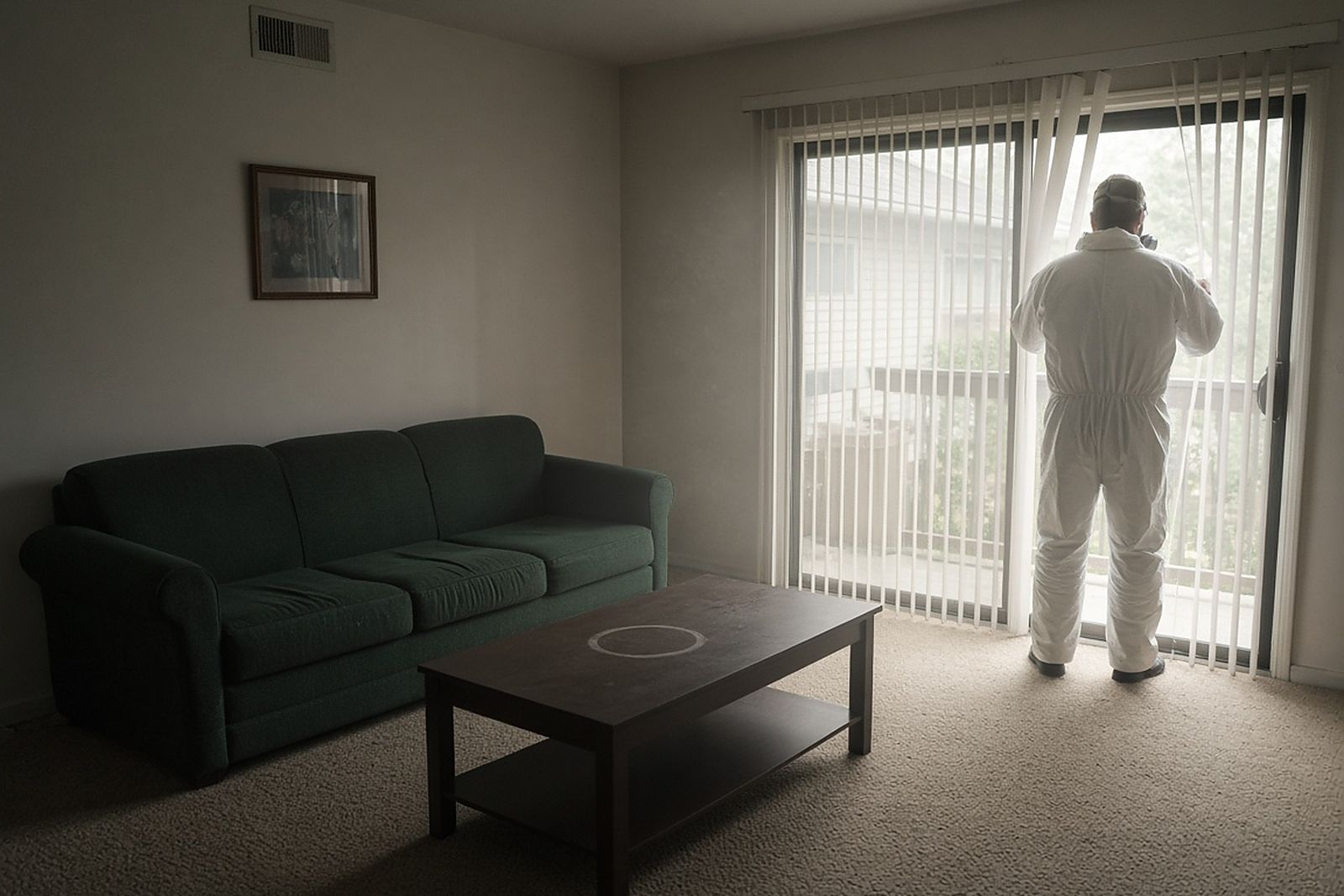
Because of that spread, two contractors looking at the same home may propose very different jobs. One may plan to wipe down the rooms where canisters landed. Another may plan to clean every room, launder or dispose of soft goods, replace filters, clean the ductwork and air handler, and verify the result room by room. Their totals will differ accordingly.
The first task in comparing bids is to understand what each company plans to do. Only then does price become meaningful.
Physical damage adds another layer. Broken windows, splintered doors and holes from projectiles may need board-up and repair. Some residue cleanup companies include temporary board-up and glass cleanup, while others expect you to hire a separate contractor. Make sure you know which trades each bid assumes, so a low number does not simply mean the repair work has been pushed onto someone else.
What a written bid should include
Ask each company for an itemized scope based on a walkthrough of the whole building, not just the rooms with obvious damage. These are the items that most often separate low and high bids.
- Areas covered: every room, closet, stairwell, garage and attic space included, and how the company decided on those boundaries.
- Surfaces: walls, ceilings, floors, cabinets inside and out, light fixtures and window treatments.
- Soft goods: which items will be cleaned, laundered, sealed for evaluation or discarded.
- Food and personal care items: how exposed pantry items, medications and toiletries will be handled.
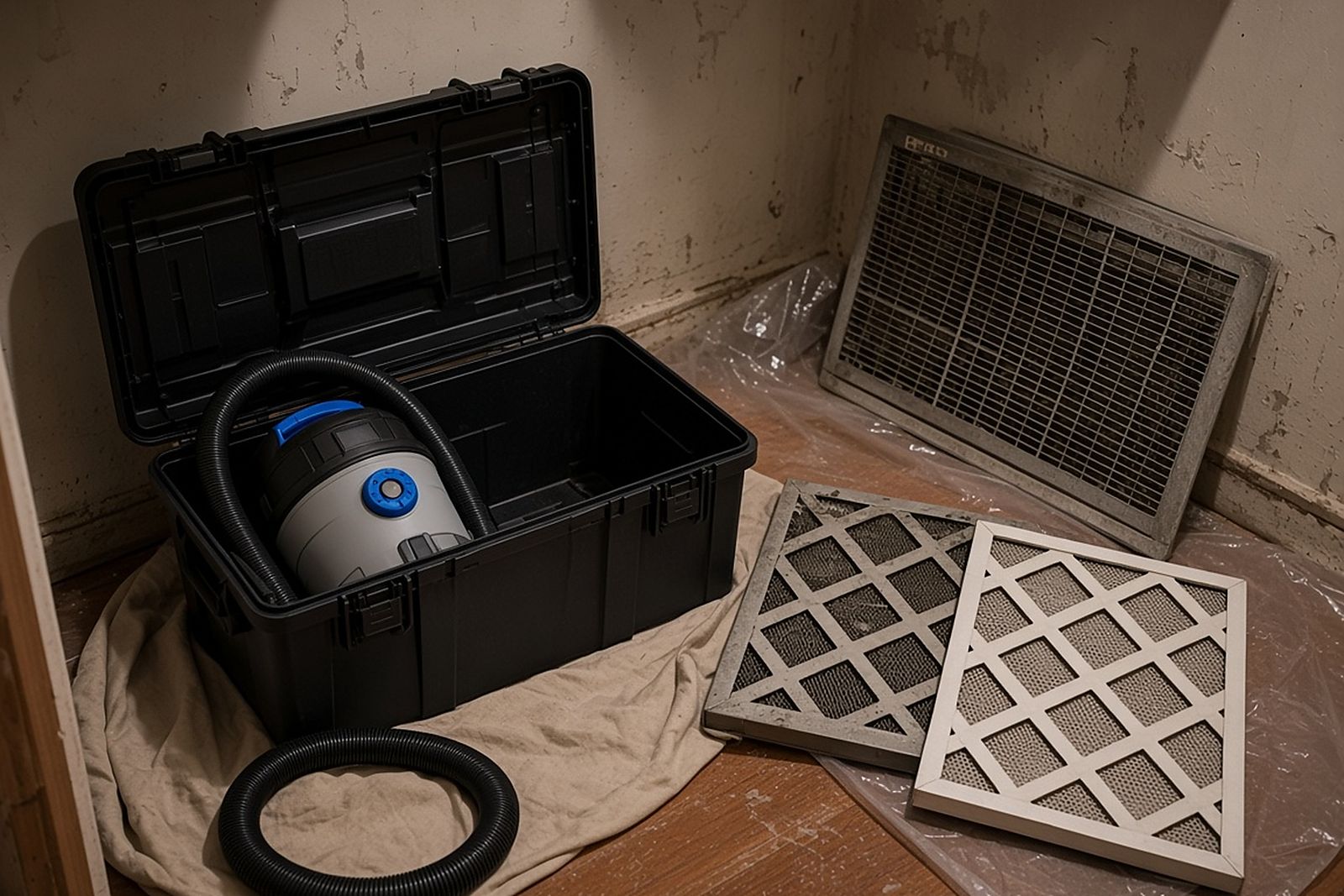
- HVAC: filters, registers, returns, ductwork and air handler cleaning or replacement.
- Cleaning chemistry: the solutions used to break down the agent and how surfaces will be rinsed.
- Verification: how the company will confirm the building is ready for reoccupancy.
- Documentation: photos, inventories and reports for insurance or a claim against the agency.
Soft goods and HVAC: where bids diverge most
Mattresses, pillows, upholstered furniture, curtains, rugs and clothing absorb tear gas residue. Some items can be laundered or professionally cleaned; others, especially mattresses and heavily exposed upholstery, may not be salvageable. Handling hundreds of items takes labor, and disposal adds cost.
A lower bid may exclude soft goods entirely, leaving the family to deal with them, or it may plan to vacuum and spray upholstery rather than clean or remove it. A higher bid may include inventorying items, bagging them for laundering or disposal and documenting what was lost.
Ask each company how it will handle soft goods and whether it will provide an inventory. That inventory can be important for insurance claims and for any claim against the agency responsible for the deployment.
If the heating or cooling system ran during or after the deployment, residue has likely been carried through the ducts and deposited in rooms that were never directly exposed. Cleaning surfaces without addressing the system can lead to recontamination as soon as it runs again.
HVAC cleaning can be one of the larger items on a bid, and it is often where low bids cut back. Some include only a filter change. Others include cleaning registers and returns but not the ductwork or air handler. Comprehensive bids address all of these components and may recommend replacing flexible duct runs that are difficult to clean.
Ask each contractor whether the system ran after the incident, how that affects its plan and exactly which components are included.
Electronics and appliances are a related gray area. Residue can settle inside televisions, computers, range hoods and refrigerator coils. Ask whether each bid addresses these items, recommends professional electronics cleaning or leaves them out entirely.
Does the cleaning chemistry make a difference?
Yes. CS residue breaks down much faster in alkaline conditions. A contractor that uses appropriate alkaline solutions and adequate contact time is working with that chemistry rather than simply moving residue around with water.
OC residue is oily and responds to detergents that cut grease. When both agents may have been used, a contractor may plan different steps for different surfaces.
Ask each bidder which products it plans to use and why. A bid that describes the chemistry is showing you it understands the problem. A bid that says only "clean and deodorize" may be describing a process that masks odor without breaking down the agent.
Verification, and why it affects price
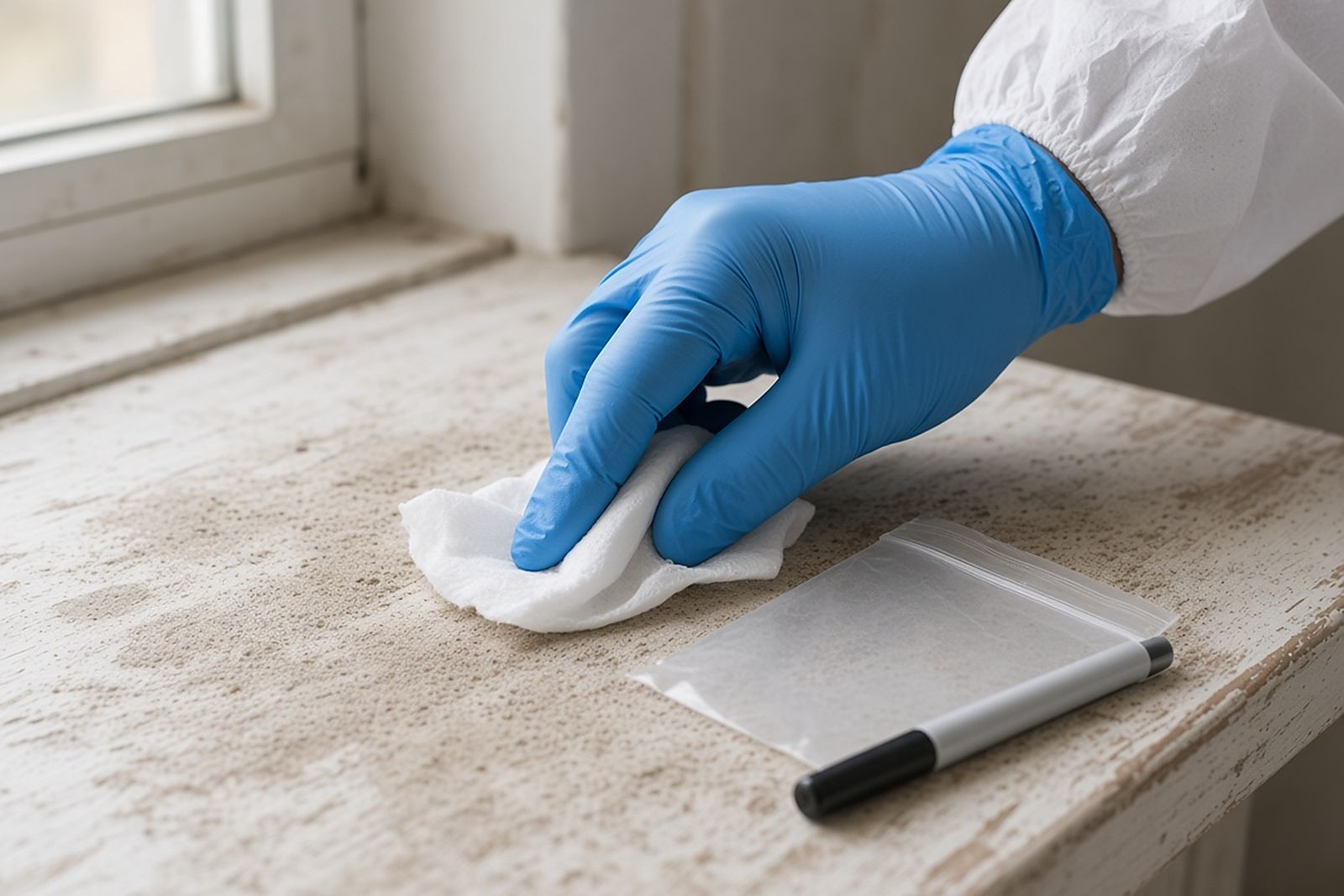
Verification is how you know the building is ready for your family or employees. Approaches vary. Some contractors conduct walkthroughs in which technicians remove respirators briefly in each room to check for irritation. Others rely on visual inspection and documentation of each step. Formal sampling for tear gas residue is less standardized than for some other contaminants, so ask each company exactly what it will do.
A bid that includes a structured verification step, with notes on each room, costs more than one that ends when the crew leaves. If a lower-bid contractor finishes and your family still experiences stinging eyes or coughing, you may need a second round of cleaning.
Ask what happens if symptoms persist after the job is complete. Some companies include a return visit; others charge for it.
A higher bid is not automatically the better one. If a contractor proposes discarding furniture that could be cleaned, or replacing ductwork that another bidder believes can be cleaned effectively, ask it to explain the reasoning. Good contractors can tell you why each step is needed for your building specifically.
Bid A vs Bid B for a two-story house
Two bids for one illustrative house show the difference in practice. A family's two-story house was entered by police during a warrant service for a person who no longer lived there. Several tear gas canisters were fired into the living room and an upstairs bedroom. The furnace ran for two days before anyone turned it off.
Bid A is lower. It covers the living room and upstairs bedroom, including wiping walls and floors, replacing the furnace filter and vacuuming the sofa. Bid B is higher. It covers every room, cleans ceilings, cabinets and fixtures with an alkaline solution followed by rinsing, inventories and bags soft goods for laundering or disposal, cleans the ductwork and air handler, replaces flexible duct runs, discards exposed open food and medications, conducts a room-by-room verification walkthrough and provides a photo report.
When the family asks the Bid A company about the rooms that received drift through the ducts, it offers to add them for an additional charge. When they ask about the ductwork itself, it says that would be a separate service. The house is illustrative, but the comparison shows how a lower number can describe a narrower job.
Claims, and a checklist for comparing bids fairly
Coverage for tear gas damage varies. Some insurers review it under particular policy provisions, while others point to exclusions. Some owners also pursue a claim against the city or agency that deployed the gas, and those claims can have short notice deadlines. Compensation is not guaranteed, and outcomes depend heavily on local law and the facts of each case.
A detailed bid with photos and inventories supports any claim. Ask the agency's claims or risk management office about deadlines and procedures early, and consider speaking with an attorney if the damage is significant.
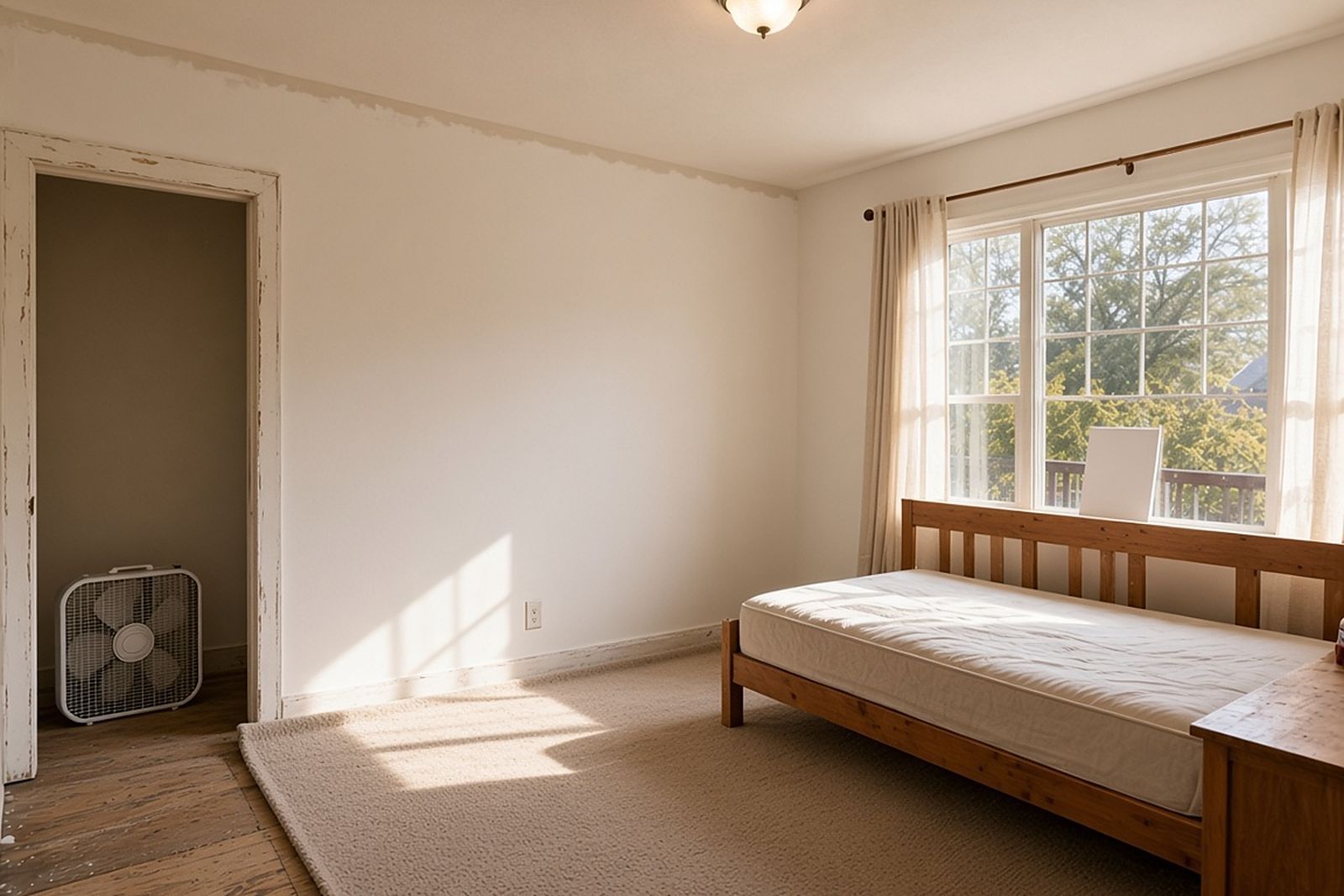
Before you choose, make sure each bid describes the same finished result. Then compare price.
- Confirm every bid covers the entire building, including rooms reached through ducts.
- Compare surfaces included, especially ceilings, cabinets and fixtures.
- Compare how soft goods, food and medications will be handled.
- Compare HVAC scope component by component.
- Ask which cleaning chemistry each company uses and why.
- Confirm how the result will be verified and whether a return visit is included.
- Check that every bidder carries workers' compensation and liability insurance.
- Ask for photo documentation and inventories to support insurance or agency claims.