Tear Gas Residue Cleanup: Costs & Insurance
Decision-focused information about tear gas residue cleanup scope variables, estimate comparison, documentation, and policy questions. Coverage depends on the triggering peril, policy language, limits, exclusions, deductible, and carrier review.
Posts in this group help you understand what drives the cost of tear gas cleanup and how different policies may respond. Think of a small apartment with tile floors and its own air system. Now think of a carpeted house with ducts running through the attic. Articles explain why their quotes can look very different. They explain why replacing soft items often becomes the biggest choice. You will also read about line items that deserve a closer look. These include air system work, disposal, and repeat visits. You will also learn how to compare two quotes that describe the same job in different words.
Get an email reply about tear gas residue cleanup
Send a short message to the follow-up inbox. A coordinator can reply by email. This form does not send emergency help; call 911 first if anyone is in danger.
On the insurance side, we explain how a homeowner, renter, landlord, or business policy might treat damage caused by police action. The answer often depends on the policy wording, not a general rule. Articles cover how to record your losses and when to tell your insurer. They explain how a property damage request to the agency that used the gas fits alongside an insurance claim. We never predict whether a claim will be approved. Instead, we help you gather the records and ask the questions that make any review clearer and faster for everyone.
What Drives Tear Gas Residue Cleanup Cost?
Canister count, soft goods, HVAC reach and agent type drive tear gas residue cleanup cost. See why a quote for what looks like dust can surprise you.
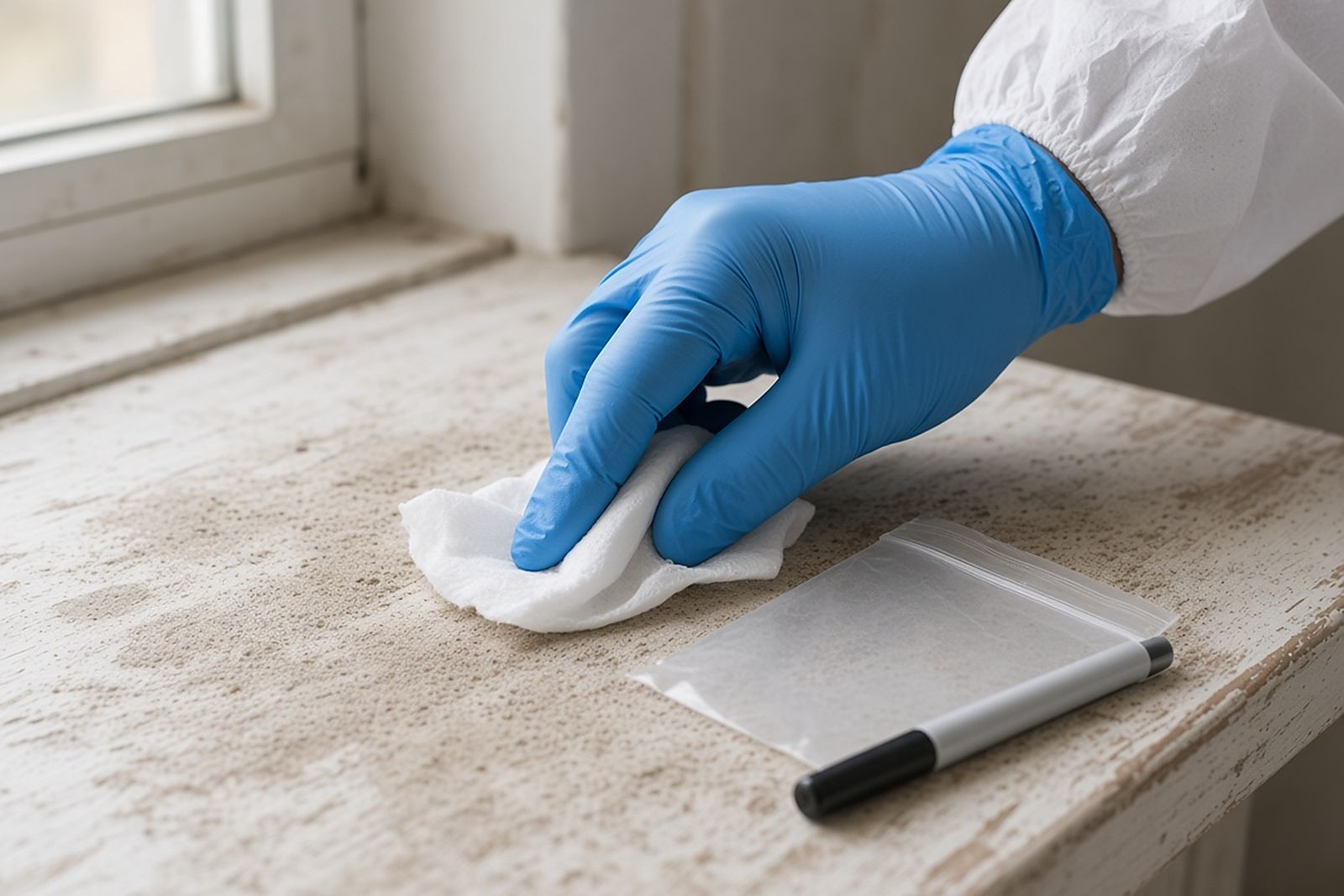
Tear gas residue cleanup cost depends on how much agent was deployed and where, whether it was a powder like CS or an oil like OC, how many soft goods absorbed it, how far the HVAC system carried it, and whether damaged fixtures need repair. Hard-surface cleaning is usually the smaller part; soft goods and ductwork often decide the total. Insist on an itemized written scope.
Does Homeowners Insurance Cover Tear Gas Residue Cleanup?
When police deploy CS or OC gas inside a home, insurance, city claims and residue cleanup all collide. Here is how to approach a tear gas residue claim.
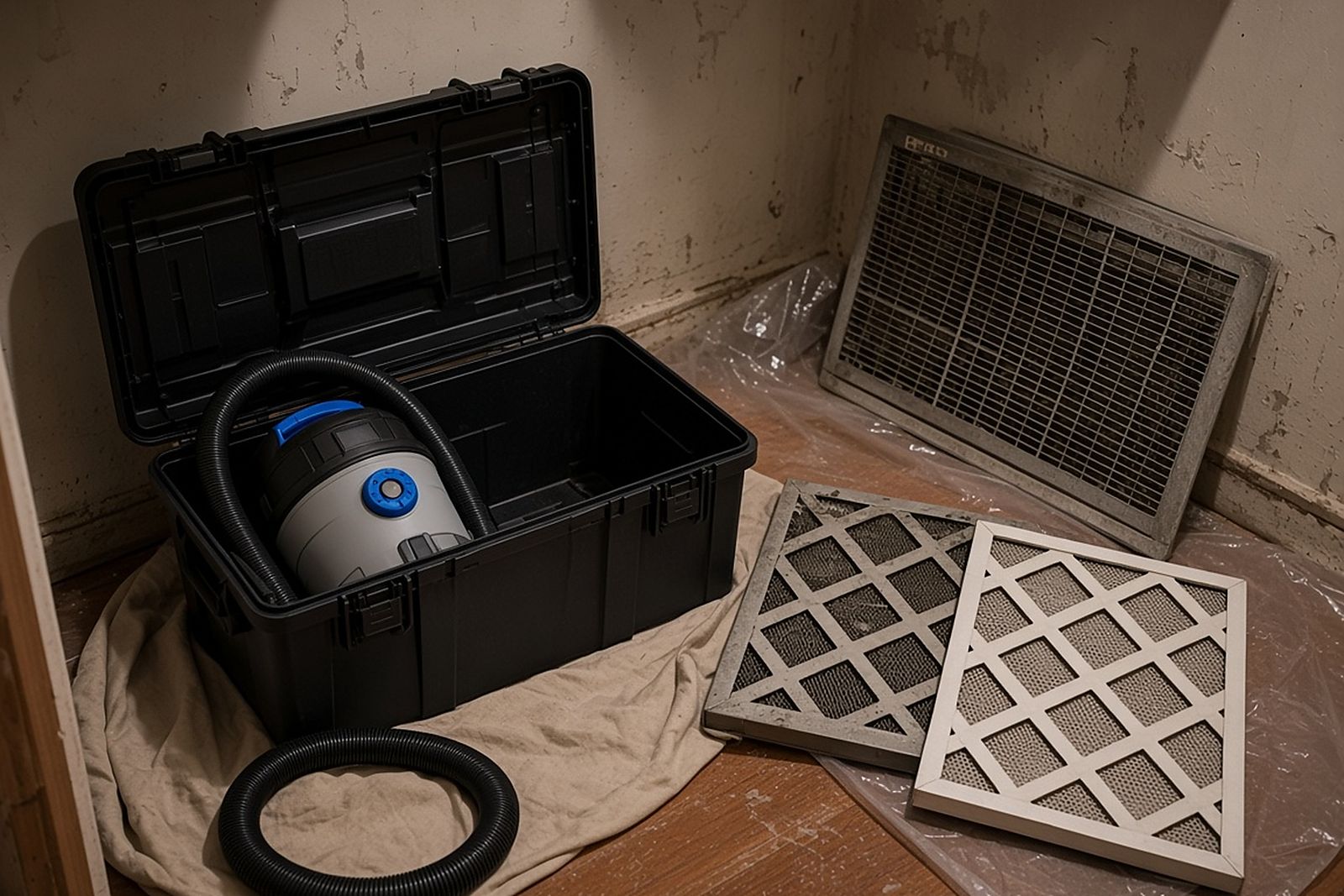
It depends on your policy and on how the carrier classifies the event. Some insurers review tear gas damage under vandalism, civil authority or other provisions, while others point to exclusions for government action or pollutants. A separate claim against the city or agency may also be possible. Report quickly, keep the residue documented, and request every coverage decision in writing.

How to Compare Low and High Tear Gas Residue Cleanup Bids
How to line up tear gas residue cleanup bids by rooms covered, soft goods, HVAC and duct work, cleaning chemistry, verification and documentation.
Compare tear gas residue cleanup bids by scope. Check which rooms and surfaces each bid covers, how soft goods such as mattresses and clothing will be handled, whether the HVAC system and ductwork are cleaned, which cleaning chemistry is used to break down the agent, how the result is verified and what documentation you receive for insurance or a government claim. Lower totals often reflect a smaller job.
Sourced figures on costs & insurance
- $4,000
Biohazard cleanup nationally averages about $4,000, with a typical range of $3,000 to $5,000 and extremes from $1,500 to $25,000, per Fixr's January 2025 guide.
Read with care: Fixr figures are editorial cost estimates compiled from contractor and industry data, not a statistical survey of completed jobs; local prices vary widely.
Source: Fixr (2025)United States, residential biohazard cleanup, estimates as of January 2025
- 34,625
Federal OSHA conducted 34,625 inspections in fiscal 2024, split between 17,455 unprogrammed and 17,170 programmed inspections.
Read with care: Excludes inspections by the 22 state plans covering private employers.
Source: OSHA (2024)United States federal OSHA, FY2024
- $16,550
OSHA's maximum penalties are $16,550 per serious violation and $165,514 per willful or repeated violation.
Read with care: Amounts adjust annually for inflation.
Source: OSHA (2024)United States federal OSHA, 2024 inflation-adjusted amounts
These figures are public research and agency data, not this network's own job records. Keep each number with its population, year and limits; none of them predicts cost, timing or outcome at a specific property.
What research has found
Findings from published studies of people and properties in situations like this one. They describe what researchers observed in a specific group; they are not predictions for your case.
More reported exposure days were associated with more delayed issues, except mouth-related issues.
Costs & Insurance: common questions
Why does carpet make such a difference on the quote?
Carpet and pad hold fine CS particles deep in the fibers. Deciding whether to clean or replace them affects labor, disposal, and the cost of new materials. A room with hard floors can often be handled with vacuuming and wiping alone. Ask the provider to show separate prices for cleaning and for replacing, so you can weigh the choice.
Should I file with my insurer or with the police agency first?
Many people do both, since the answers may come at different times and under different rules. Tell your insurer right away, because policies often require prompt notice. Ask the agency how its property damage process works. Share the same records with each one so your files stay consistent.
What records help most with a claim for tear gas damage?
Useful records include photos taken from doorways before anything is moved and the incident report or case number. An itemized list of affected belongings, the provider's written scope, and disposal receipts also help. Keep copies of every message with adjusters and agency staff. Organized records make reviews easier, no matter the outcome.
Can I get reimbursed for temporary housing while my home is cleaned?
Some homeowners and renters policies cover extra living costs when a covered loss makes the home unlivable. Whether it applies depends on your policy and how the insurer sorts the event. A claim with the agency may also include these costs. Keep receipts for lodging, meals, and travel. Ask your insurer what records it needs.
Should I pay the provider directly or wait for the insurer?
It depends on your deal with the provider and your insurer's process. Some providers bill the insurer directly. Others expect you to pay and leave it to your claim to pay you back. Get the payment terms in writing before work begins. Include deposits, due dates, and what happens if the insurer denies part of the claim. Do not sign papers that give away your claim rights unless you understand them.
What if the agency and my insurer each say the other should pay?
Keep going after both, and record every reply in writing. Your insurer may pay covered losses and then try to recover the money from the party responsible. Filing an agency claim protects your rights if the insurer denies coverage. Ask each party to state its position in writing. Think about a public adjuster or a lawyer if the dispute stalls.
How do I estimate the value of belongings I had to discard?
List each item with a description, approximate age, where it was purchased and a replacement cost estimate from current retailers. Photos, receipts and bank records help support the values. Your insurer may apply depreciation depending on your policy. Keep the list organized by room so the adjuster or agency can match items to your photos.
Related community polls
Every count is a real visitor vote; nothing is seeded or padded. One vote per poll per device, and you can change your answer.
How did tear gas end up in your building?
What was the first thing you tried to reduce the irritation?
More on tear gas residue cleanup
Tear Gas Residue Cleanup services
Learn what professional tear gas cleanup involves. It covers HEPA removal, the right chemicals, air system checks, choices about soft items, and safe return checks.
Costs explained
What drives the price, published cost ranges, and how to read a written quote line by line.
Insurance and payment
Which policies may respond, how to document a claim, and what to do if coverage is denied.
Planning tools
Use planners and checklists that walk you through the first day. They help you judge the risk of doing it yourself and get ready to talk with providers, landlords, and insurers.
Community polls
Compare your experience with other tenants, owners, and managers who dealt with tear gas residue. See which choices they found hardest afterward.
Knowledge quiz
Check what you know about how CS and OC residue behaves, why the air system matters, and what a thorough cleanup and its records should include.
Field guides
Read detailed guides on where residue hides, breaking it down versus cleaning it, who does what as landlord or tenant, and what a written cleanup plan should say.