Short answer
The best tear gas residue cleanup provider is the one with real experience removing CS or OC from buildings, not simply the biggest or closest. Local firms may know your area and respond personally; national brands may have more equipment and surge capacity after large protests. Compare who will do the work, how they handle HVAC and soft goods, their protective equipment and the records you will receive.
Why this choice is harder than hiring a general cleaner
Tear gas residue cleanup is a narrow specialty. Many restoration, biohazard and cleaning companies list it among their services, but relatively few handle it regularly. Deployments inside homes and businesses are occasional, and the knowledge needed to deal with CS powder, oily OC and contaminated ductwork is different from fire, water or blood cleanup.
That makes experience with the specific agent more important than general reputation. A well-known national restoration brand may have crews that have never cleaned up after a deployment, while a small local firm may have handled dozens. The reverse can also be true.
Be careful with service lists on websites. A company that lists tear gas cleanup next to mold, fire and carpet cleaning may be offering it as an add-on without much field experience. That is not disqualifying, but it means you should ask more questions before relying on the listing.
Your task is to look past the company's size and marketing and find out whether the people who will actually do the work understand this particular problem.
What national companies offer after large events
Large protest periods can affect many buildings at once. Amnesty International recorded 89 uses of tear gas in 34 states and 21 uses of pepper spray in 15 states plus D.C. between May 26 and June 5, 2020, in its 2020 report. When deployments cluster like that, local providers can be overwhelmed quickly.
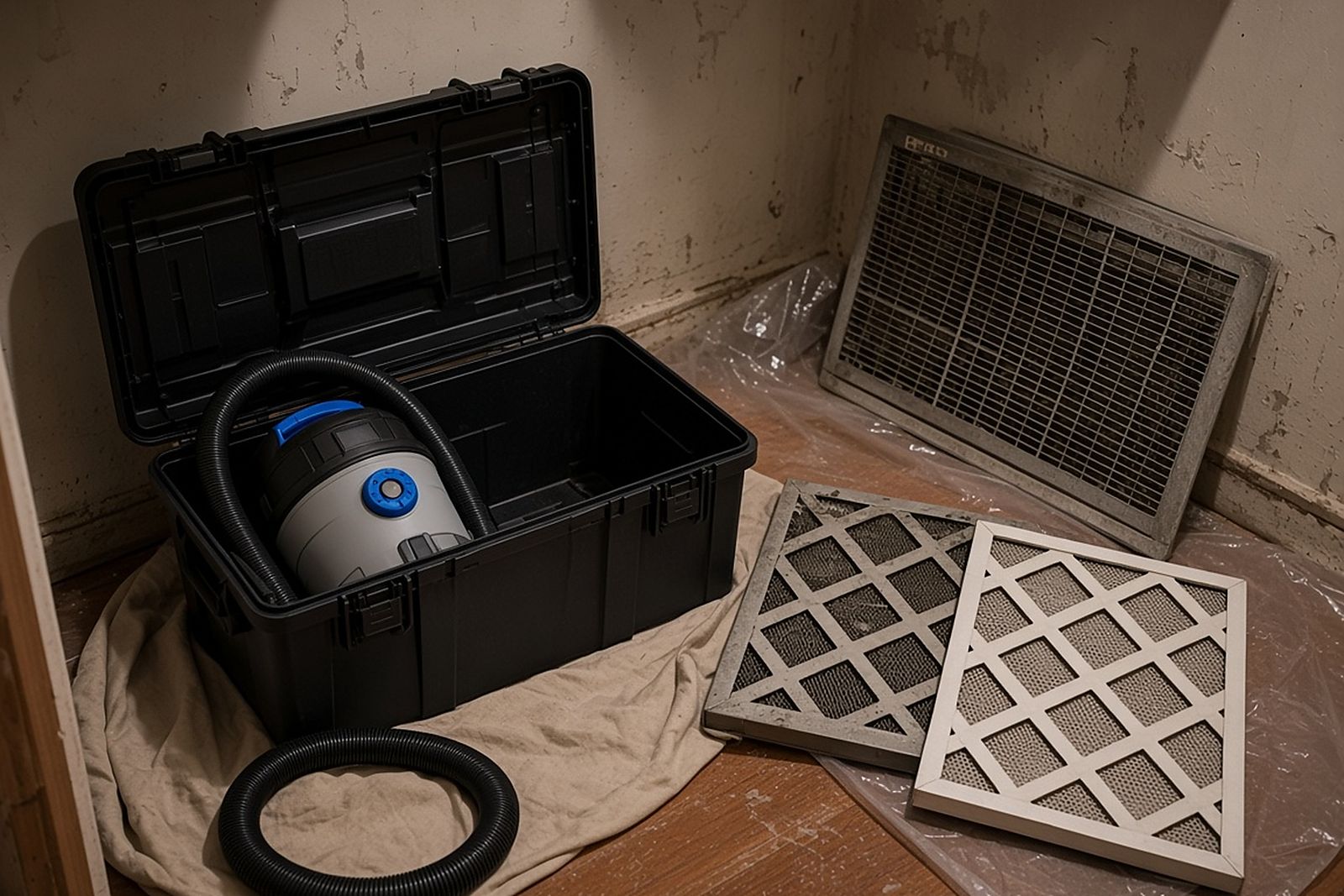
National companies and larger regional firms may be able to send additional crews, HEPA equipment, air scrubbers and duct cleaning systems from other markets. They may also have standardized procedures, insurer relationships and the administrative staff to handle many claims at once.
The trade-off can be distance. Crews brought in from elsewhere may not know local rules, disposal options or building types, and communication may run through a call center rather than a person you can reach directly. Ask who will be on site and who you can call with questions.
If a national company is brought in during a surge, ask how long the crew will remain in your area. A team that must leave for its next assignment before your duct work or follow-up walkthrough is complete may leave you searching for someone else to finish the job.
What a local company offers
Local firms often provide direct access to the owner or a senior technician, flexible scheduling and familiarity with local agencies, housing stock and disposal options. If police deployments happen periodically in your area, a local provider may have built up practical experience with them.
Local providers may also have working relationships with the agencies that deploy the agent. They may know whom to call to confirm which agent was used, whether any munitions remain and how a department's claims process works. That background can save you days of phone calls.
Smaller firms may have less equipment and fewer people. For a single home, that is often not a problem. For a large commercial building, a multi-unit property or a period when many buildings need help at once, ask how they would scale up and whether they would bring in partners.
As with national companies, the key is who does the work. Ask whether the crew will be the company's own employees or subcontractors, and who holds responsibility for the result.
Questions that reveal real tear gas experience
General answers are easy to give. Specific answers take experience. Ask each provider the following and listen for detail rather than reassurance.
Pay attention to how each provider talks about limits. Someone with real experience will tell you that certain soft goods rarely come clean, that inaccessible duct sections are a risk and that a follow-up visit is sometimes needed. A provider who promises total removal with no caveats may not have seen enough of these jobs.
- How does your approach differ for CS powder versus oily OC residue?
- What cleaning chemistry do you use on hard surfaces, and why?
- How do you prevent residue from spreading while you work?
- When do you lock out the HVAC, and how do you inspect and clean ducts?
- How do you decide which soft goods to launder, clean or discard?
- What protective equipment do your technicians wear?
- How do you confirm the space is ready for people to return?
- Can you describe a comparable job, without identifying details?
HVAC capability and protective equipment
Ductwork is one of the most common reasons symptoms return after a tear gas cleanup. A provider that cannot inspect and clean ducts, or that relies on a separate contractor without coordinating the timing, may leave a reservoir that redistributes residue as soon as the system runs. Ask whether duct work is done in house or subcontracted, and how it is sequenced with room cleaning.
Protective equipment is a sign of how seriously a provider takes the hazard. CS irritates skin as well as eyes and airways, which is why crews should wear chemical-resistant suits and gloves along with full-face respiratory protection, not just a dust mask.
If a provider plans to send technicians into a heavily affected room without appropriate protection, that is a red flag regardless of whether the company is local or national.
How do pricing and insurance handling compare?
National companies may use estimating platforms that insurers recognize, which can simplify claims. Local companies may be just as experienced with adjusters or may ask you to take on more of the communication. Either way, no provider can promise that an insurer or an agency will pay.
Deployments by police raise additional questions about who is responsible for damage. Some agencies have claim processes; some offer little. Ask the deploying agency's claims or risk management office what process exists and what deadlines apply.
Compare scopes line by line. A lower price that omits duct work, soft goods handling or a final walkthrough is likely to lead to a second project. Ask each provider what could change the price and how they will get your approval before doing extra work.
If you are a tenant rather than an owner, the landlord usually chooses the provider for the building itself. You may still hire someone for your own belongings, and your renters insurer may have preferences. Ask before you commit so the two efforts do not work against each other.
Downtown office building: local bid vs national bid
As an illustration, take a three-story office building downtown that takes in CS through broken ground-floor windows and a rooftop unit's outdoor air intake during a night of protests. Several other buildings on the block are affected, and the two local firms the property manager calls are booked for days.
A national restoration company can send a crew from another city within a short time. The property manager asks both the national company and one of the local firms to bid. The local firm offers to start in several days and describes a detailed plan, including cleaning the rooftop unit's intake and coils. The national company can start sooner and brings more air scrubbers, but its first scope does not mention the rooftop unit.
The property manager asks the national company to revise its scope to include the rooftop unit and ductwork, which it does. The manager also asks who will supervise the crew and receives the name of an experienced project manager.
The building hires the national company for the ground floor and HVAC work, which cannot wait, and keeps the local firm on standby for follow-up. The building is a composite, but it shows how capacity and specific expertise can both factor into the decision.
Records to expect, and choosing between two good bids
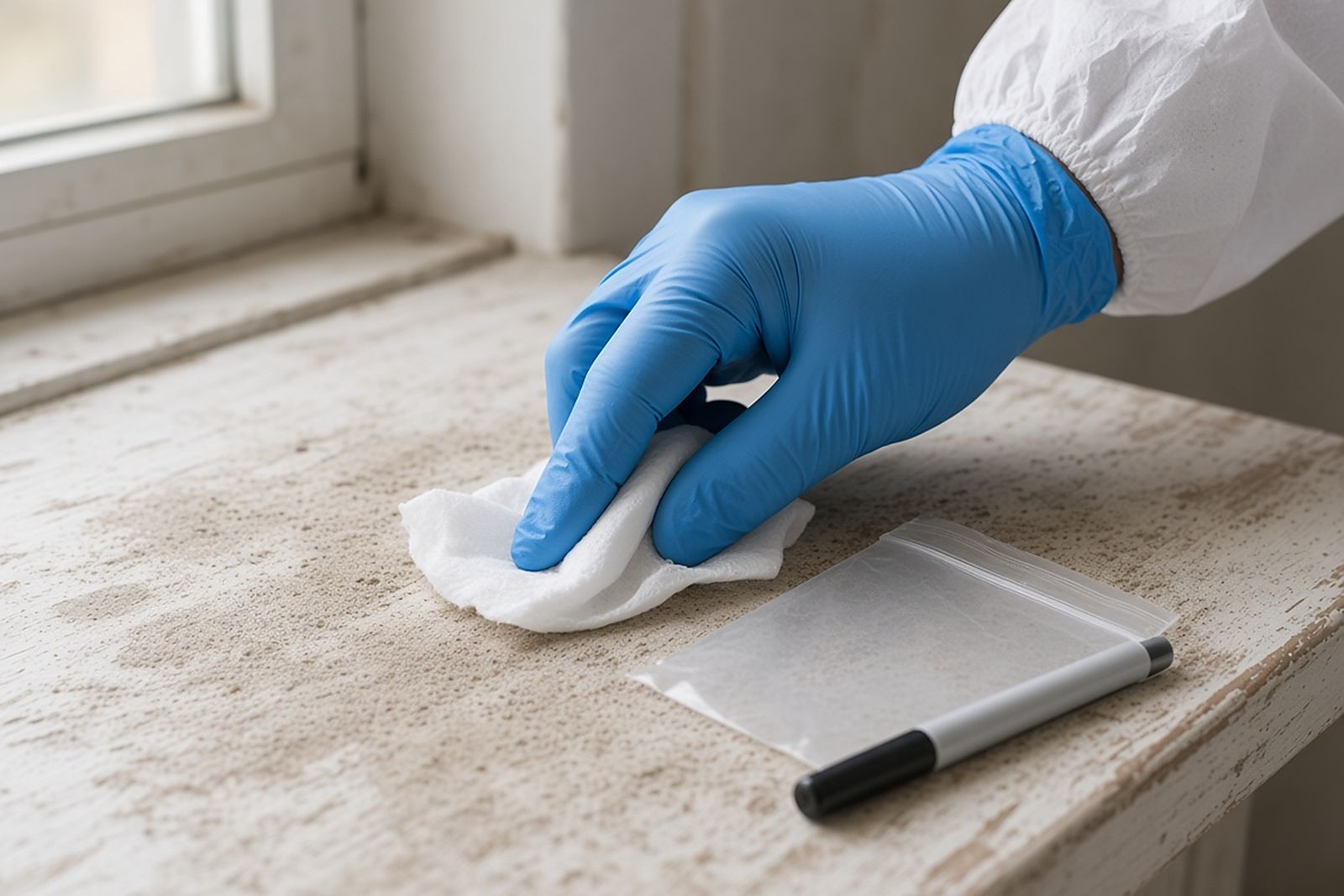
Regardless of size, ask for a closeout package that includes a floor plan or room list marking affected areas, before and after photographs, the products used on each surface type, the soft goods list showing what was kept, cleaned or discarded, a description of HVAC work with images where possible and notes from the final walkthrough.
These records matter for insurance, for tenants and for future owners. They also let a different provider pick up where the first left off if symptoms return.
Ask whether the provider will return if irritation reappears, and on what terms. A clear follow-up policy is a good sign that the company expects to stand behind its work.
When two bids both look reasonable, use the same questions for every provider and compare written answers. Weigh experience with tear gas agents, HVAC capability, timing, communication and documentation more heavily than brand name or company size.
If you are still unsure, ask each finalist to walk the property with you. The one who notices the return grille near the entry, asks which agent was used and explains the order of work in plain language is often the right choice, whether their office is down the street or across the country.