Short answer
Tear gas residue cleanup time depends on how many rooms the agent reached, whether the HVAC system spread it, how many soft goods absorbed it, whether it was a powder like CS or an oil like OC, and how much physical damage the deployment caused. A single contained room can be quick, while a whole-house deployment with ductwork involvement can take much longer, plus separate time for repairs.
When cleanup can actually begin
The clock usually does not start the moment the police leave. If the property was part of an arrest, standoff or investigation, the law enforcement agency may hold it until evidence collection is finished. You may not be allowed inside, and a cleanup company cannot begin work until the property is released.
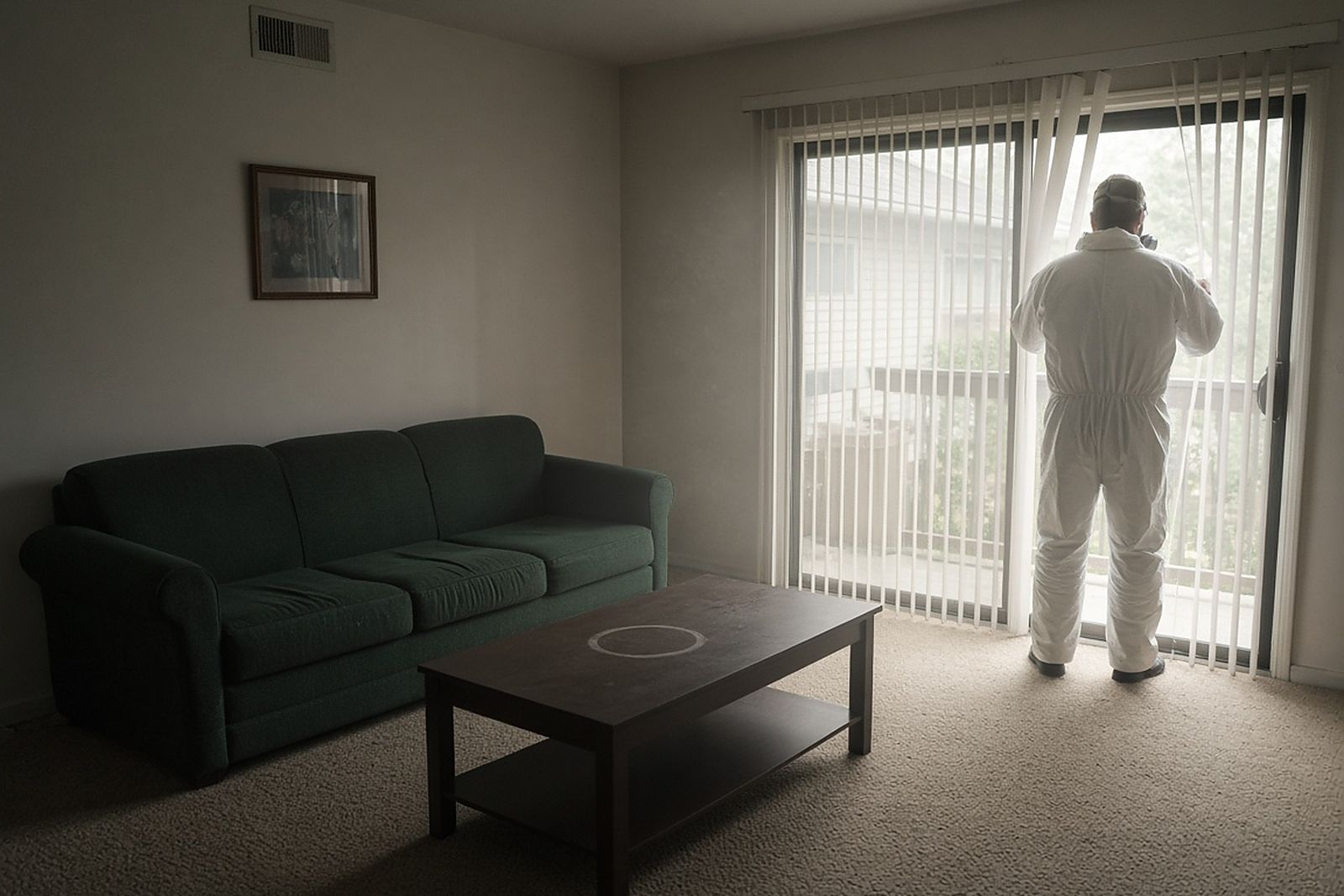
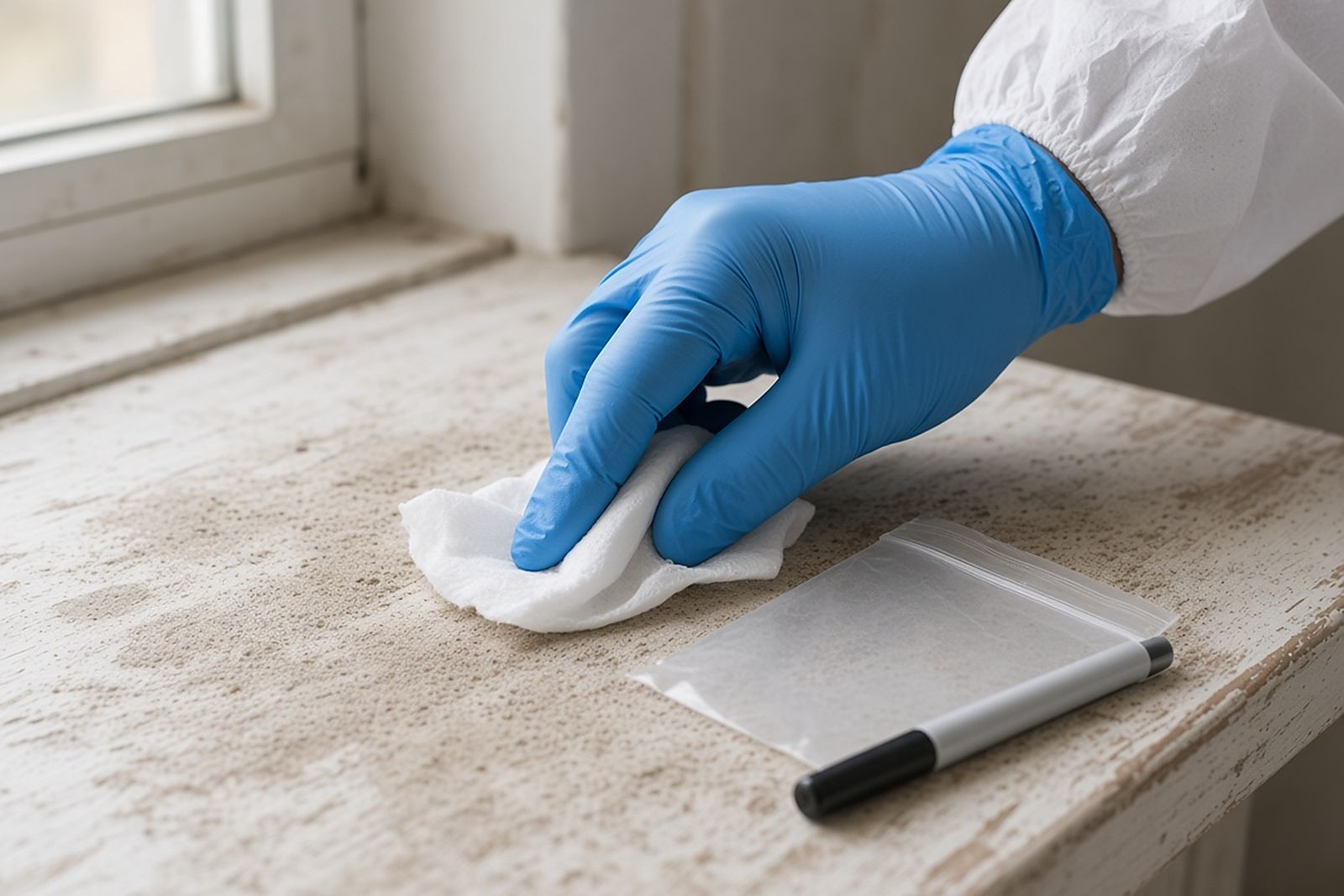
Once you regain access, the first step is an assessment, not scrubbing. A technician walks through with protective equipment, notes where canisters landed, checks for broken windows and doors, looks at whether the heating or cooling system was running and identifies which rooms and belongings were exposed.
Boarding up openings and securing the property may come first if windows or doors were broken. Those emergency steps protect the home from weather and intruders while the full scope is written.
If you are allowed in before a professional arrives, keep the visit short. Grab medications, documents and a change of clothes, avoid touching your face, and bag the clothing you wore inside so it does not transfer residue to your car or temporary lodging. Every surface you disturb now is one more spot the crew will need to treat later.
What decides whether the job takes a day or much longer
Tear gas cleanups vary more than people expect. Two homes hit with a similar number of canisters can end up with very different schedules because of how the building and its contents responded.
HVAC involvement is the factor that stretches schedules most. When a furnace or air conditioner runs during a deployment, it draws agent into the return ducts and distributes it to every room served by the system. What began as a problem in one room becomes a whole-house problem, and each room needs the same careful treatment.
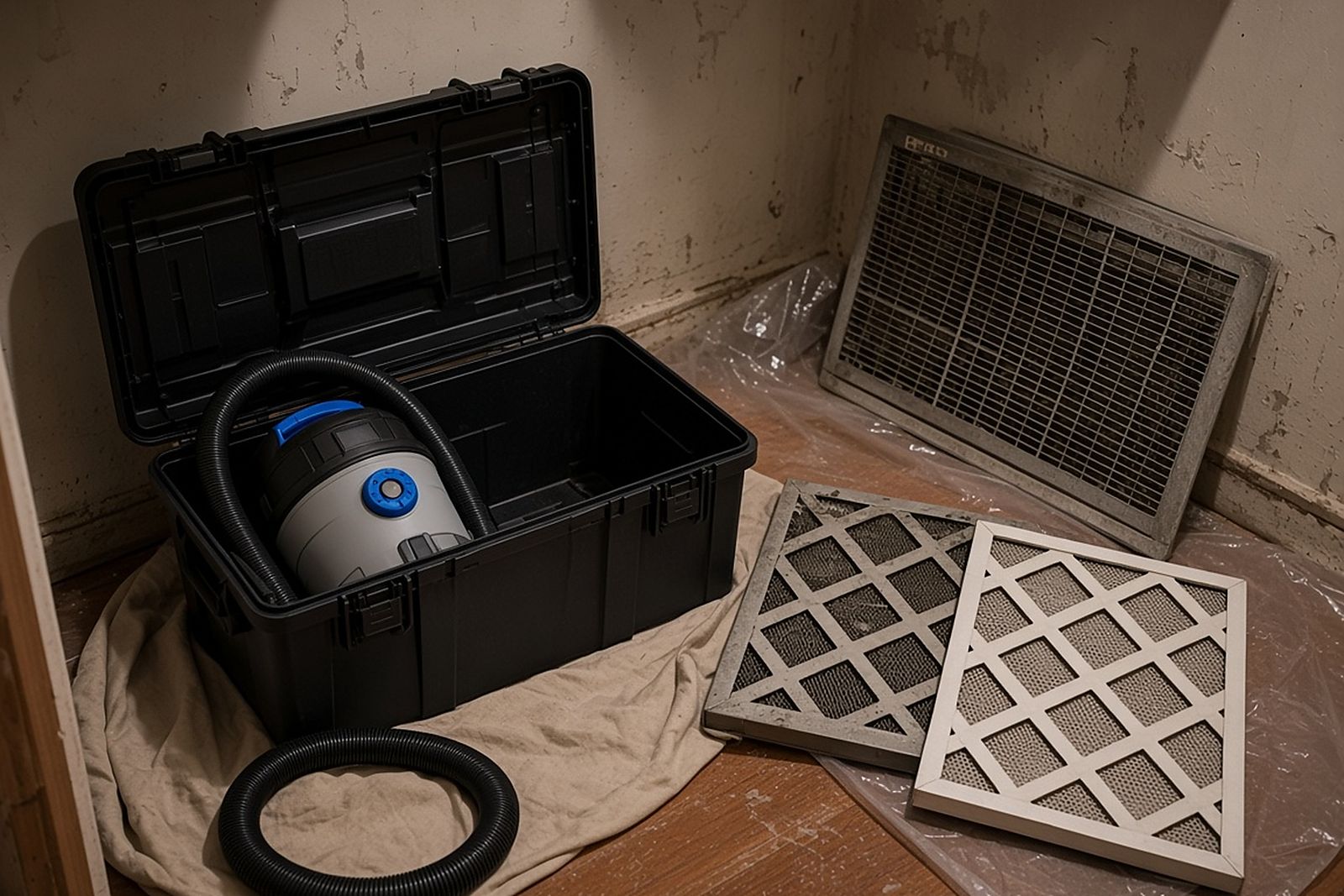
The duct system itself also needs attention. Filters must be replaced, registers and grilles removed and cleaned, accessible ductwork cleaned and in some cases the air handler serviced. Flexible or lined ducts that hold residue may need replacement. That work often involves an HVAC specialist whose schedule has to be coordinated with the cleanup crew.
Until the ducts are clean, the system should stay off. In hot or cold weather, that can affect whether crews can work comfortably, and it may mean bringing in temporary heating or cooling so work can continue safely.
HVAC is only one variable, though. These are the factors that usually decide the pace.
- How many rooms or floors the agent reached, including rooms that were never directly targeted.
- Whether the HVAC system was running during or after the deployment and carried residue through ducts.
- The type of agent, since dry CS powder and oily OC residue call for different methods.
- The quantity of soft goods, such as carpet, mattresses, upholstered furniture, curtains and clothing.
- Porous building materials like acoustic ceiling tiles, unsealed wood or textured walls.
- Physical damage from canisters, forced entry or broken glass that must be addressed before or alongside cleaning.
- Whether the home is furnished and occupied or already empty.
- Access to utilities, parking and space to stage equipment and waste.
How much time do soft goods and belongings add?
Hard surfaces go relatively quickly once a crew is set up. HEPA vacuuming and washing a tile floor or a painted wall is methodical but predictable. Soft goods are where schedules grow.
Each upholstered chair, mattress, rug and closet of clothing needs a decision. Some items can be laundered or professionally cleaned, often with more than one cycle. Others are removed because treatment would be uncertain or would cost more than replacement. Making those decisions, documenting them for insurance and physically handling the items takes time.
You can speed this up by thinking ahead about what matters most. Irreplaceable items such as family textiles, children's comfort objects or heirloom furniture deserve extra effort. Inexpensive or worn items may not be worth the time and cost of repeated cleaning. Sharing those priorities with the crew early helps them plan.
Off-site laundering and textile cleaning run on their own timeline. Items may come back in batches, and anything that still carries residue after the first cycle goes through again. Ask how items will be tracked and returned so that nothing is lost while your home is being worked on.
Does the type of agent change how long the work takes?
It can. CS is a fine powder that settles and clings. It is removed first with HEPA vacuuming and then broken down with washing, often using mildly alkaline solutions that speed its chemical breakdown. The process is systematic and tends to be predictable once the scope is clear.
OC, the active ingredient in pepper spray, is oily. It smears rather than dusts, can migrate into porous surfaces and usually needs detergents that emulsify oil. Multiple passes may be needed on the same surface, which adds time.
When both types were used, or when the agent is unknown, crews generally plan for the more demanding approach in the most affected areas.
Pyrotechnic canisters can add a third element: soot and burn residue where the device landed or rolled. Scorched flooring, blackened baseboards and melted finishes often need removal rather than cleaning, and removal steps are slower than washing. The crew lead should point these areas out during the walkthrough so you understand why they are on a different track.
Multi-unit buildings: least affected spaces first
In apartment buildings, the unit police targeted is rarely the only one affected. A shared hallway can fill with agent that then enters neighboring apartments under doors and through bathroom exhaust vents, even when those units were never targeted.
Neighbors typically notice watering eyes in the rooms nearest the entry and the bathroom. When the landlord hires a cleanup company for the target unit, the scope should cover the hallway and any adjoining units as well. Whether each unit's own HVAC system was running at the time makes a large difference to how far residue spread inside it.
Crews commonly clean the least contaminated units first, because those households can return quickly once their entry rug, sofa or bedding has been removed or laundered and the surfaces washed. The target unit, which may need window replacement and more extensive removal, follows over a longer period.
That sequencing means a neighbor can often move back well before the target unit is finished, which is worth asking about if you live next door to a deployment.
What adds time after the cleaning is finished?
Cleanup and repair are often separate projects. Once residue is gone, you may still need new windows, doors, drywall, flooring or furniture. Canister strikes can leave burn marks or holes, and forced entry can damage frames and locks.
Insurance can affect repair timing. Adjusters may want to inspect damage before approving replacement, and some policies treat law enforcement damage in particular ways. Ask the responding agency's claims or risk management office whether a claims process exists for damage caused during police action, since some jurisdictions have specific procedures.
Ask the cleanup company for a written scope and photographs you can share with your insurer and any repair contractor. Good documentation shortens the back-and-forth that often slows repairs.
Glass and door replacements can also depend on supply. Custom window sizes, security doors and matching trim may need to be ordered, which leaves temporary boarding in place for a while. A clear list of damaged openings from the cleanup crew helps the repair contractor order the right parts on the first try.
Keeping the process moving without cutting it short
It is tempting to move back once the home looks normal, especially if you have been displaced. Residue that remains in carpets, bedding or ducts can keep irritating eyes, skin and airways, and repeated exposure is not trivial.
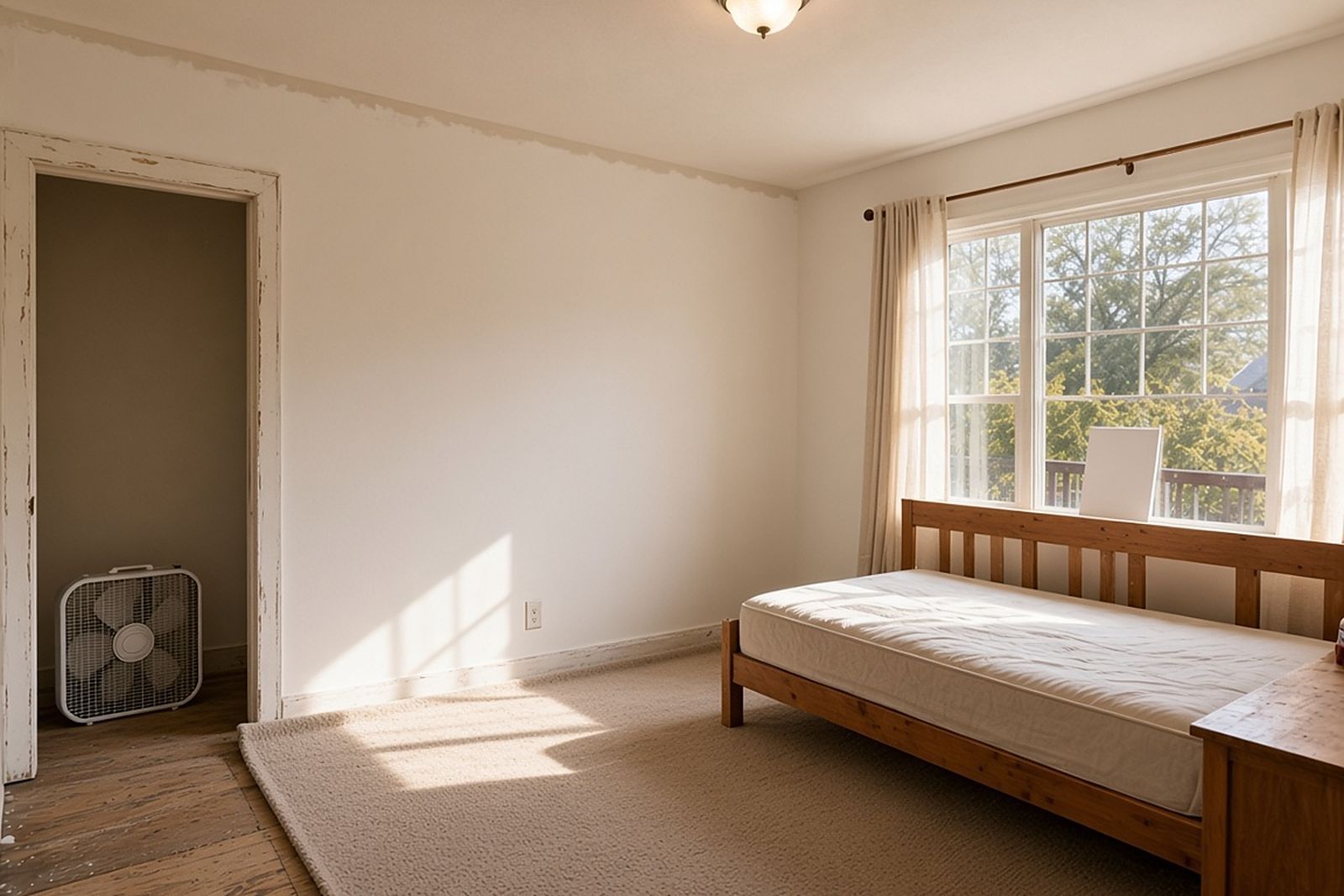
A final walkthrough with the crew lead is a sensible checkpoint. Spend time in each room with the doors closed, sit on furniture and check closets. If anything still stings, ask for that area to be revisited before you sign off.
A few practical steps on your side help the crew work efficiently and bring you home sooner.
- Keep the HVAC system off until the crew says it is safe to run.
- Stay out of affected rooms except to retrieve essentials, and wash exposed skin afterward.
- Photograph damage and belongings before anything is moved.
- Make a short list of items you most want saved and share it at the assessment.
- Contact your insurer early and ask what they need to see.
- Confirm who will handle repairs and when they can start once cleaning is complete.