Free tear gas residue cleanup tool
Tear Gas Residue Cleanup First 24 Hours Planner
Tell the planner a few facts about the situation and get an ordered list of who to call, what not to touch, and what to photograph.
The hours right after tear gas is used are when most of the damage from well-meant actions happens. People open every window and turn on the air system to clear the smell. They sweep the powder, run a home vacuum, and wet-mop the floors. They carry cushions outside to shake them. Each of those steps spreads the residue further or pushes it deeper. This planner replaces those urges with an ordered list. You say whether the authorities have released the property and whether anyone is still inside. You say whether there is odor or irritation when you go in. You say whether sharp items or blood might also be present, whether pets were exposed, and whether the building is rented. The planner then gives you steps that fit those facts. It shows who to call, what to shut off, what to leave alone, and what to photograph.
The list is careful on purpose. It will tell you to keep the heating and cooling system off until it has been checked. It will tell you to keep people and animals out, to avoid sweeping or vacuuming, and to leave fabrics where they are. If the property has not been released, it will remind you that the agency's work comes first. Any leftover devices are for them to handle, not you. If someone has symptoms, it will point you to medical care before anything else. If the building is shared, it will prompt you to tell management about shared hallways and return vents. The planner does not replace emergency services, a health department, or a provider's on-site check. It just makes sure nothing you do on the first day makes the second day harder. Save or print the list so you can share it with whoever comes next.
How to use it
- 1Answer each situation question honestly, choosing unsure when you do not know rather than guessing.
- 2Work through the calls at the top of the list before taking any physical action in the space.
- 3Follow the do-not-touch items exactly. This matters most for the air system and fabrics.
- 4Take the requested photographs from a safe vantage point, save or print the list, and hand it to your provider.
Prefer to ask a person?
Your request is sent to the follow-up inbox. A coordinator can reply by email. Not for emergencies; call 911 first if anyone is in danger.
Plan the first 24 hours
Tear Gas Residue Cleanup: first 24 hours planner
Answer a few questions and the planner orders the next steps. It does not dispatch help and cannot replace emergency services.
Your ordered plan (6 steps)
- 1
Keep people and pets out of the affected area
Close the door and keep the area sealed until a qualified provider assesses it.
- 2
Photograph from the doorway before anything moves
Take wide shots first, then closer shots of stains, damage and belongings. Do not step into the area to do it. These photos support insurance and estate records.
- 3
Report the loss to your insurer and get a claim number
Ask the adjuster whether they need to inspect before materials are removed, and whether they have a list of approved remediation providers. Coverage depends on the policy and the cause of loss.
- 4
Call a qualified remediation provider for an assessment
Describe what happened, the rooms involved, and any odor, fluids or sharps. Ask which OSHA standards apply to tear gas residue cleanup and for proof of training and insurance before work starts.
- 5
Start a written log
Record who you spoke to, when, and what they said. Keep receipts for lodging, boarding, locks and any emergency purchases.
- 6
Look after the people involved
If a death or violent event is involved, victim assistance programs, hospice bereavement teams and the 988 Suicide & Crisis Lifeline can help. You do not need to manage this alone.
A worked example
Here is a made-up couple. They come home from a weekend away and learn that police responded to something at the house next door. Gas drifted into their home through an open kitchen window and along the driveway side of the house. Their eyes sting the moment they step inside. They open the planner on a phone from the porch. They answer that the scene has been released and no one is inside now. They answer that there is irritation when they go in and that sharp items or blood are unlikely. Their cat was inside the whole time, and they own the home. The planner lists steps in order. Leave the house and stay out. Get the cat out carefully and call a vet. Keep the central air off. Do not open more windows. Do not touch the curtains or the couch near the kitchen. It asks them to photograph the window, the kitchen surfaces, the living room, and the thermostat setting from the doorway. It asks them to note the time they found the problem. It prompts them to ask the police department for the incident number and the type of gas. It prompts them to tell their insurer and to call a checked provider with what they have gathered. They print the list at a neighbor's house and save the photos with time stamps.
Numbers behind 24-hour planner decisions
- 100,000+ injured; 14 deaths
Physicians for Human Rights reports that more than 100,000 people have been injured by chemical irritants since 2015 and at least 14 have died from canister trauma.
Read with care: Global figure dominated by mass protest settings, not residential incidents.
Source: Physicians for Human Rights / INCLO (2023)Worldwide medical literature review, 2015 onward
- 83%
Among 1,276 adults exposed to law-enforcement chemical agents, 83% reported at least one adverse reproductive outcome; those exposed 5 or more days had 2.6 times the odds.
Read with care: Self-reported, cross-sectional data cannot prove causation.
Source: Frontiers in Epidemiology (2023)Cross-sectional survey of protest-exposed adults, 2020
- 93.8%
In a survey of 2,257 people exposed to tear gas during 2020 Portland protests, 93.8% reported physical or psychological health issues and 54.6% sought or planned to seek care.
Read with care: Convenience sample with self-reported symptoms; not representative of all exposures.
Source: BMC Public Health (Torgrimson-Ojerio et al.) (2021)Self-selected online survey, Portland, Oregon, July 30–August 20, 2020
- 4 mg/m³ in 1 minute
According to the National Research Council, an airborne CS concentration of 4 mg/m³ disperses most rioters within one minute, and 10 mg/m³ deters trained troops.
Read with care: Describes crowd effects outdoors; indoor deployments can produce far higher concentrations.
Source: National Research Council (2014)Military and law-enforcement effectiveness data summarized by NRC
These figures are public research and agency data, not this network's own job records. Keep each number with its population, year and limits; none of them predicts cost, timing or outcome at a specific property.
First 24 Hours Planner questions for tear gas residue cleanup
Why does the planner tell me to turn off the HVAC before anything else?
Because a running air handler is the fastest way to spread residue from one room to the whole building and to re-dose spaces that were briefly clear. Shutting it down stops the distribution while a provider assesses the returns, filters, and ducts. Do not swap the filter and turn the system back on as a workaround; the residue inside the ductwork will keep circulating. Leave it off until someone with a plan says otherwise.
What if I already opened windows and ran fans?
Stop, and do not undo anything by hand. Note what you did and when, because the provider will want to know how air moved through the space. Ventilation may have carried residue into rooms that would otherwise have been clean, which affects the scope. Photograph the current state and tell the provider candidly. Starting and stopping is far better than continuing to move air through contaminated rooms.
Should I wash the clothes I was wearing when I went inside?
Remove them before entering clean spaces, bag them, and wash them separately from other laundry, ideally more than once, then run an empty cycle. Shower and rinse your eyes with clean water if they sting. Shoes worn inside should be cleaned or left outside. The planner includes these steps because clothing and footwear are the most common way residue travels from an affected building into a car or a relative's home.
What photographs are useful, and how do I take them safely?
Take photos from doorways or windows without going in. Get wide shots of each affected room. Get closer shots of visible film on flat surfaces, window coverings, and padded furniture. Photograph the thermostat, any filter or return vent you can see, and any damage from canisters. Photos show your insurer how far the damage goes. They also help the provider plan the air system work and choices about soft items. Do not move things to get a better view. Do not stay inside long enough to get symptoms.
Who should I contact if someone in the household is having trouble breathing?
That is a medical emergency, and the planner puts it ahead of every property step. Call emergency services or get the person to medical care. This matters most for children, older adults, and anyone with asthma or another breathing problem. Irritation that lingers after leaving the building also calls for a medical visit. The cleanup can wait. A person with symptoms should not go back into the space to gather belongings.
What if I cannot reach the property for several days after the event?
That is common when a scene is held or you are staying somewhere else. Use the planner to get ready instead. Ask the agency when the property will be released. Ask that the air system be left off if anyone is on site. Gather policy details and line up providers to call. When you do go back, follow the planner's first steps from the start. Do not assume the delay has made the residue harmless.
Can the planner help if the gas drifted in from outside rather than being deployed indoors?
Yes, though the priorities shift. Drift usually brings lighter, more localized residue near windows, doors and fresh-air intakes. The planner still helps you decide whether to keep the HVAC off, what to photograph and whom to contact. Pay attention to window coverings, entry rugs and soft furniture near openings, and note whether irritation spreads beyond those areas, since that suggests the air system carried it further.
Related community polls
Every count is a real visitor vote; nothing is seeded or padded. One vote per poll per device, and you can change your answer.
How did tear gas end up in your building?
What was the first thing you tried to reduce the irritation?
Other tear gas residue cleanup tools
Cost Range Estimator
Set the affected area, surface types, severity and extras to see an educational cost range and the factors that move it.
OpenProvider Vetting Checklist
Fifteen questions to ask any remediation provider, a readiness score, and a copyable list of what is still unanswered.
OpenInsurance Claim Organizer
A guided checklist from finding the policy to tracking the carrier decision, with a printable summary of where the claim stands.
OpenWaste & Disposal Classifier
Five questions about the material point to the likely waste category and which authority to confirm the rules with.
OpenDIY or Call a Pro? Risk Check
Eight yes-or-no questions that produce a risk level and explain when professional help is the safer choice.
OpenMore on tear gas residue cleanup
Tear Gas Residue Cleanup services
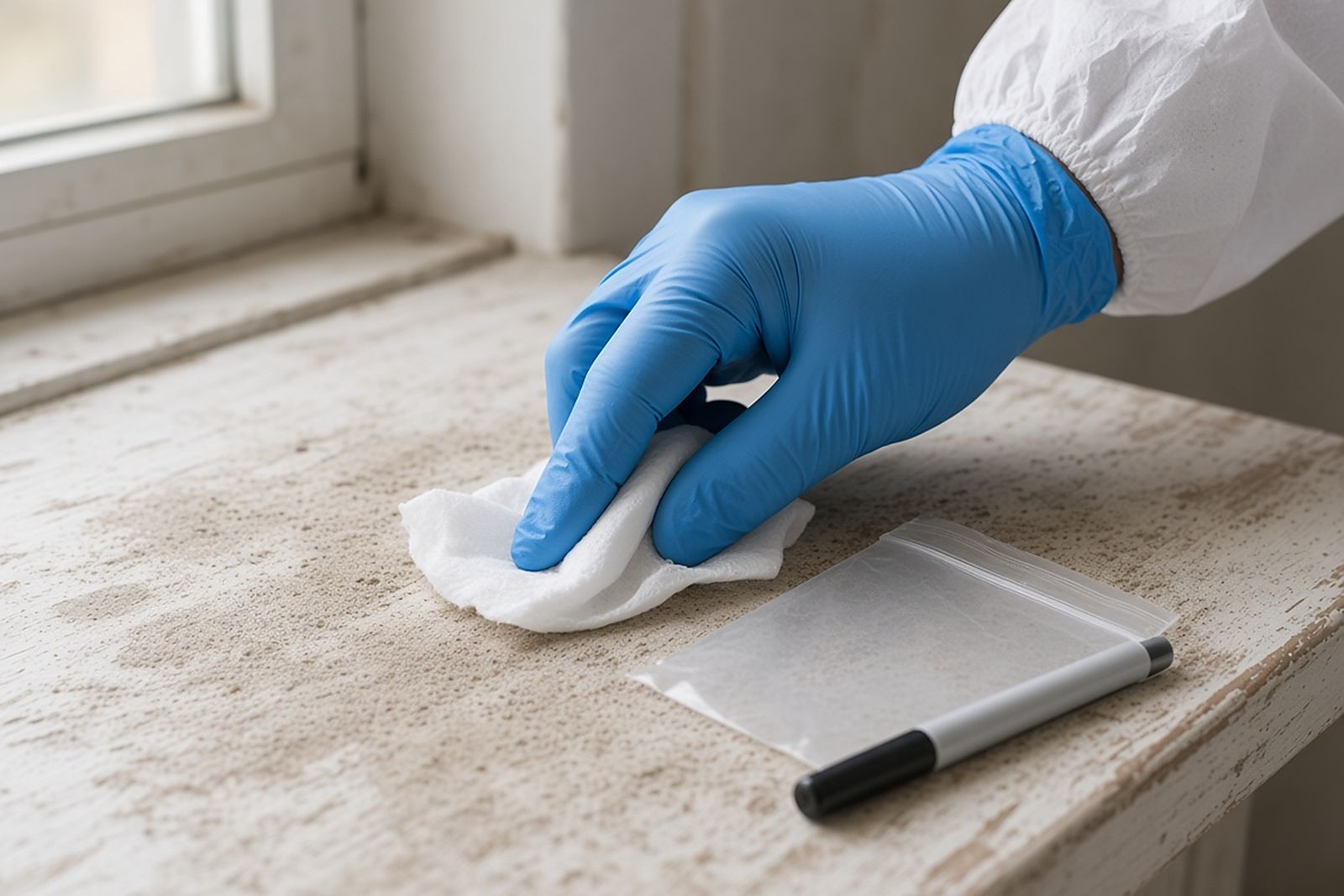
Learn what professional tear gas cleanup involves. It covers HEPA removal, the right chemicals, air system checks, choices about soft items, and safe return checks.
Costs explained
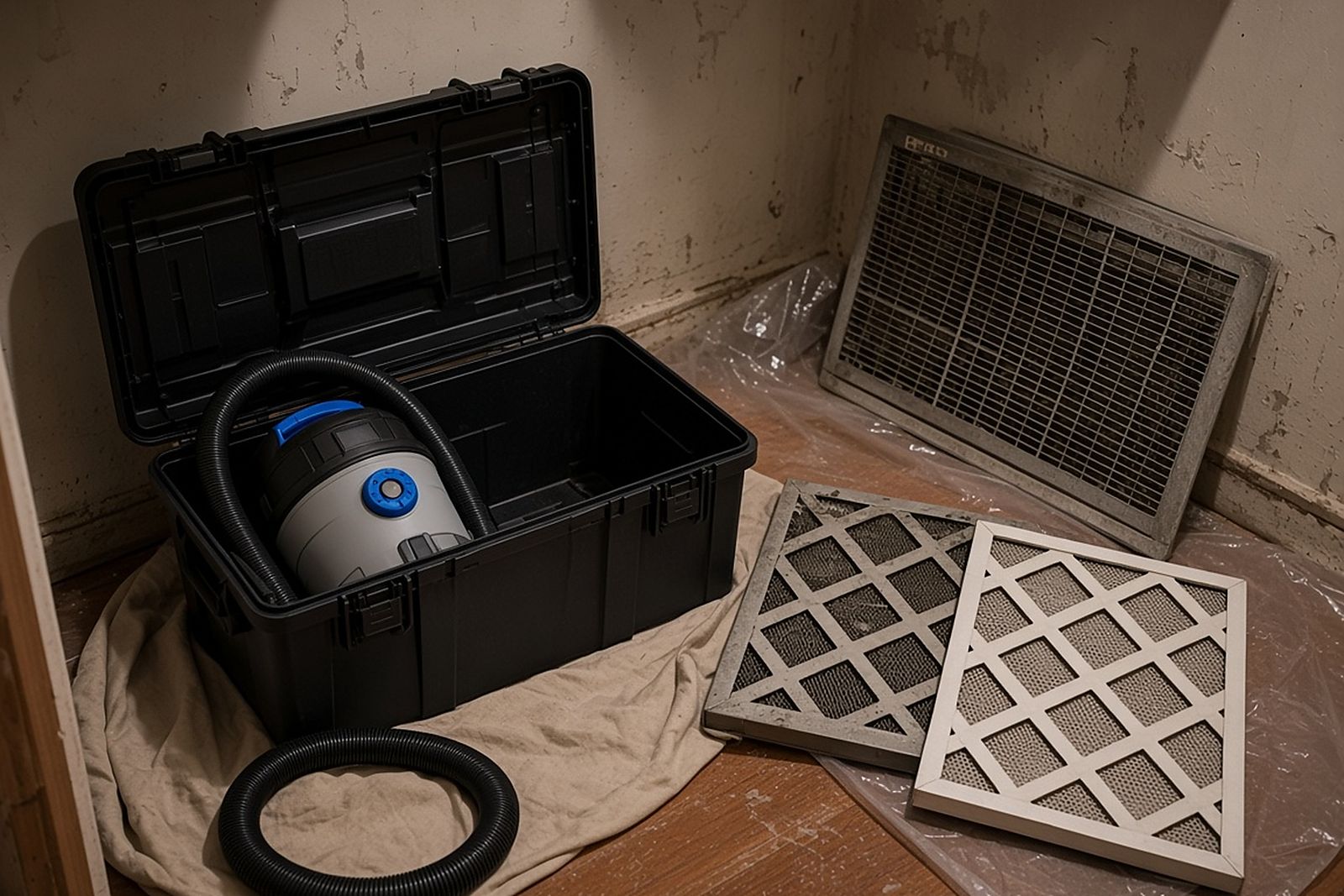
What drives the price, published cost ranges, and how to read a written quote line by line.

Insurance and payment
Which policies may respond, how to document a claim, and what to do if coverage is denied.
Community polls
Compare your experience with other tenants, owners, and managers who dealt with tear gas residue. See which choices they found hardest afterward.
Knowledge quiz
Check what you know about how CS and OC residue behaves, why the air system matters, and what a thorough cleanup and its records should include.
Articles and resources
Read articles on how tear gas acts in buildings, lessons from home and business cleanups, and how cleanup methods keep changing.
Field guides
Read detailed guides on where residue hides, breaking it down versus cleaning it, who does what as landlord or tenant, and what a written cleanup plan should say.