Tear Gas Residue Cleanup: Process & What to Expect
Property-specific walkthroughs for tear gas residue cleanup: assessment, scope approval, hazard controls, material decisions, documentation, verification, and restoration handoff. Not every phase applies to every incident.
Posts in this group follow a tear gas cleanup from the first walk-through to the day you move back in. You will read about why a crew shuts off the air system before anything else. You will see how they work through rooms from the least affected to the most. You will learn why dry HEPA vacuuming comes before any wet wiping on floors and walls. Other articles explain what bagging and removing soft items looks like. They cover how long a typical house or unit stays off limits, and what paperwork you should get at the end. Knowing the stages ahead of time makes it easier to tell whether a plan skips something important.
Get an email reply about tear gas residue cleanup
Send a short message to the follow-up inbox. A coordinator can reply by email. This form does not send emergency help; call 911 first if anyone is in danger.
These articles also cover moments that often surprise people. A crew may ask to open closets that seemed untouched. They may suggest removing a couch even though it looks clean. We explain the reasons behind those calls so you can weigh them, rather than just accept or refuse. You will find advice on what to ask during the walk-through and how to handle belongings you want to keep. You will also learn how to tell whether irritation after you move back in points to missed areas or to the home settling as normal. The goal is to help you follow the work, not to turn you into a worker.
What to Expect During Professional Tear Gas Residue Cleanup
Agent identification, containment, HEPA passes, alkaline washes, soft goods choices and HVAC checks: how a professional tear gas residue cleanup unfolds.
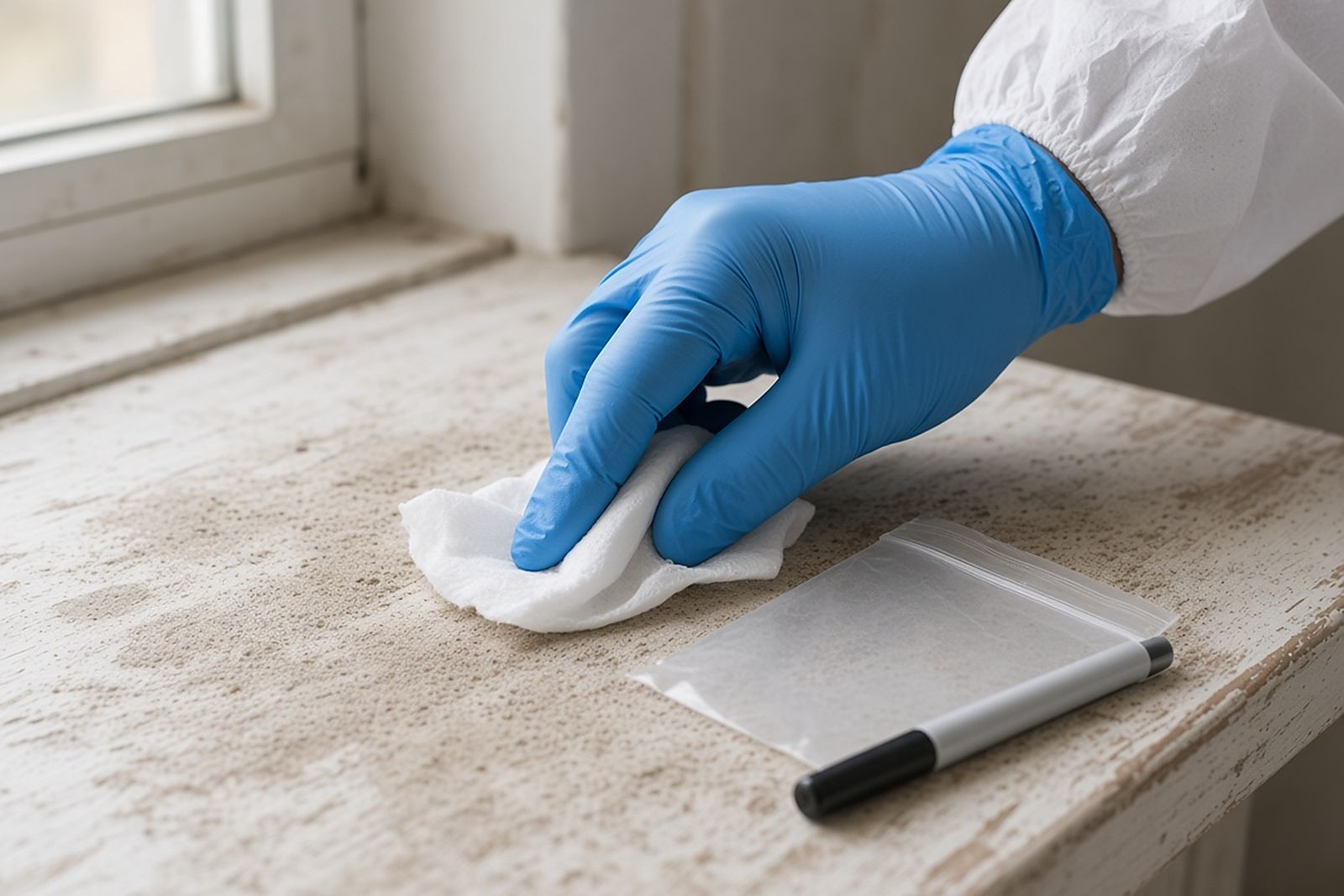
A professional tear gas residue cleanup usually starts by confirming the home is safe to enter and which agent was used, then sets up containment, HEPA vacuums settled particles before any wet cleaning, washes hard surfaces with compatible chemistry, sorts soft goods into clean or discard, inspects and cleans the HVAC pathway, and ends with a walkthrough where occupants check for renewed irritation before moving back in.
How Long Does Tear Gas Residue Cleanup Take?
Rooms reached, soft goods, HVAC spread, agent type, property damage and police release all affect how long tear gas residue cleanup takes before you move back.
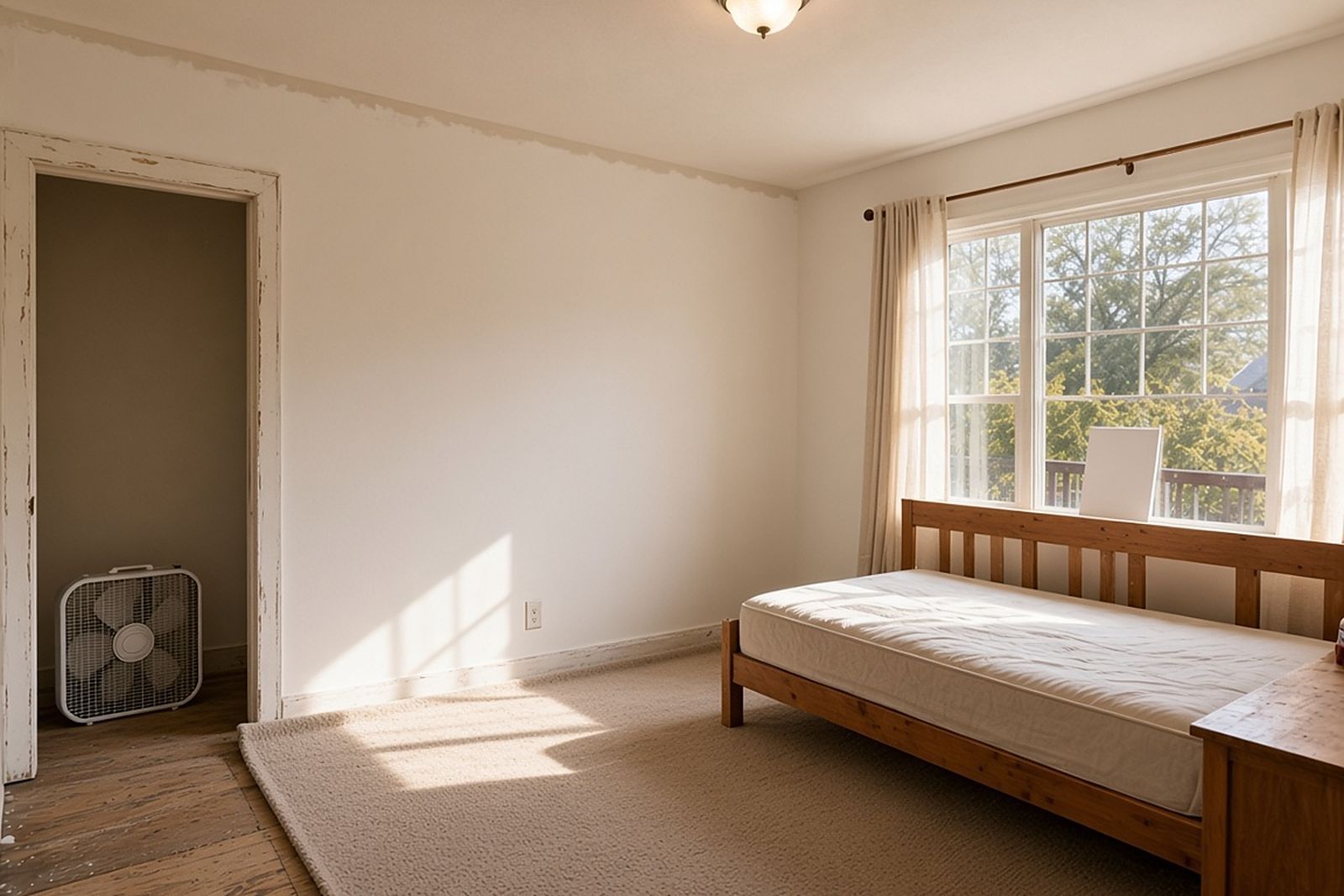
Tear gas residue cleanup time depends on how many rooms the agent reached, whether the HVAC system spread it, how many soft goods absorbed it, whether it was a powder like CS or an oil like OC, and how much physical damage the deployment caused. A single contained room can be quick, while a whole-house deployment with ductwork involvement can take much longer, plus separate time for repairs.
Urgent Tear Gas Residue Cleanup: What to Do Before a Provider Arrives
Tear gas got into your home or business? Here is how to protect your household, keep residue from spreading and prepare for a cleanup crew's arrival.
After tear gas enters your home or business, get everyone out and into fresh air, seek medical care for anyone with severe symptoms, and wait until the scene is released before going back in. Keep the HVAC system off, keep doors closed, avoid touching or laundering contaminated items, document the damage from doorways, and gather incident details for the cleanup provider, your insurer and the responding agency.
Sourced figures on process & what to expect
- 4 mg/m³ in 1 minute
According to the National Research Council, an airborne CS concentration of 4 mg/m³ disperses most rioters within one minute, and 10 mg/m³ deters trained troops.
Read with care: Describes crowd effects outdoors; indoor deployments can produce far higher concentrations.
Source: National Research Council (2014)Military and law-enforcement effectiveness data summarized by NRC
- 5,131 injured; 2 deaths; 58 permanent disabilities
A systematic review of 31 studies from 11 countries documented 5,131 people injured by tear gas and pepper spray, including 2 deaths and 58 permanent disabilities.
Read with care: Only published cases were counted, so the true burden is larger and mostly reflects crowd-control settings.
Source: BMC Public Health (Haar et al.) (2017)Worldwide published cases, January 1990 to March 2015
- 54.6%
54.6% reported receiving or planning to seek medical or mental-health care.
Read with care: Self-report and selection bias; protest exposure cannot establish residential re-entry conditions.
Source: Torgrimson-Ojerio et al. (2021)2,257 self-selected adults reporting exposure in Portland; July–August 2020 survey.
These figures are public research and agency data, not this network's own job records. Keep each number with its population, year and limits; none of them predicts cost, timing or outcome at a specific property.
What research has found
Findings from published studies of people and properties in situations like this one. They describe what researchers observed in a specific group; they are not predictions for your case.
More reported exposure days were associated with more delayed issues, except mouth-related issues.
Process & What to Expect: common questions
Why does the crew want the HVAC off before they start?
A running system pulls irritant dust into the returns and pushes it into rooms that may already be clean. Shutting it down keeps residue where it is so the crew can remove it in a planned order. The system is then inspected, filters are replaced and bagged, and air movement is restored only when the work plan says the pathways are ready.
Will I be able to stay in part of the house during cleanup?
Sometimes. It can work if the affected area can be sealed off and your living space has its own air system. In many homes, though, one air unit serves every room. Then staying inside risks exposure and can spread dust back into cleaned areas. Before you decide, ask the provider how they will close off zones. Ask what they suggest for your layout.
How will I know the cleanup is finished?
You should get a written final report. It should list the rooms cleaned, the methods used, the filters changed, and the items thrown out or kept. A careful walk-through is part of the check. Surfaces and fabrics are disturbed to see that they do not cause irritation. If symptoms come back in the days after, contact the provider right away. Tell them where in the home the symptoms happen.
Who should be my main point of contact during the job?
Ask the provider to name one project manager or supervisor who will answer questions, approve changes and schedule the walkthrough. Get a direct phone number and the best times to reach them. If your insurer, landlord or property manager is involved, agree on who receives updates so information does not get lost. Keep your own notes of each conversation, including dates and any decisions made.
What happens on the day the crew first arrives?
Expect a walkthrough to confirm the scope, identify fragile or valuable items and review which rooms and systems are affected. The crew will usually set up containment, place air scrubbers and establish a place to put on and remove protective gear. Dry HEPA capture typically comes before any wet cleaning. Ask the supervisor to explain the plan for the first day before work begins.
Can the scope change after work begins?
Yes, especially if residue turns up in places not visible during the estimate, such as inside a duct run, a closet or behind furniture. A good provider will pause, explain what they found and propose a written change with any price adjustment. Approve changes in writing before extra work starts. That keeps the job organized and prevents surprises on the final invoice.
What should I check before signing off on the completed work?
Walk every room with the HVAC running normally, touch surfaces you use every day and pay attention to eyes, throat and skin. Confirm soft goods decisions were carried out as agreed, filters were changed and records match the scope. Ask what happens if irritation returns later. Sign off only when concerns are resolved or noted in writing.
Related community polls
Every count is a real visitor vote; nothing is seeded or padded. One vote per poll per device, and you can change your answer.
How did tear gas end up in your building?
What was the first thing you tried to reduce the irritation?
More on tear gas residue cleanup
Tear Gas Residue Cleanup services
Learn what professional tear gas cleanup involves. It covers HEPA removal, the right chemicals, air system checks, choices about soft items, and safe return checks.
Costs explained
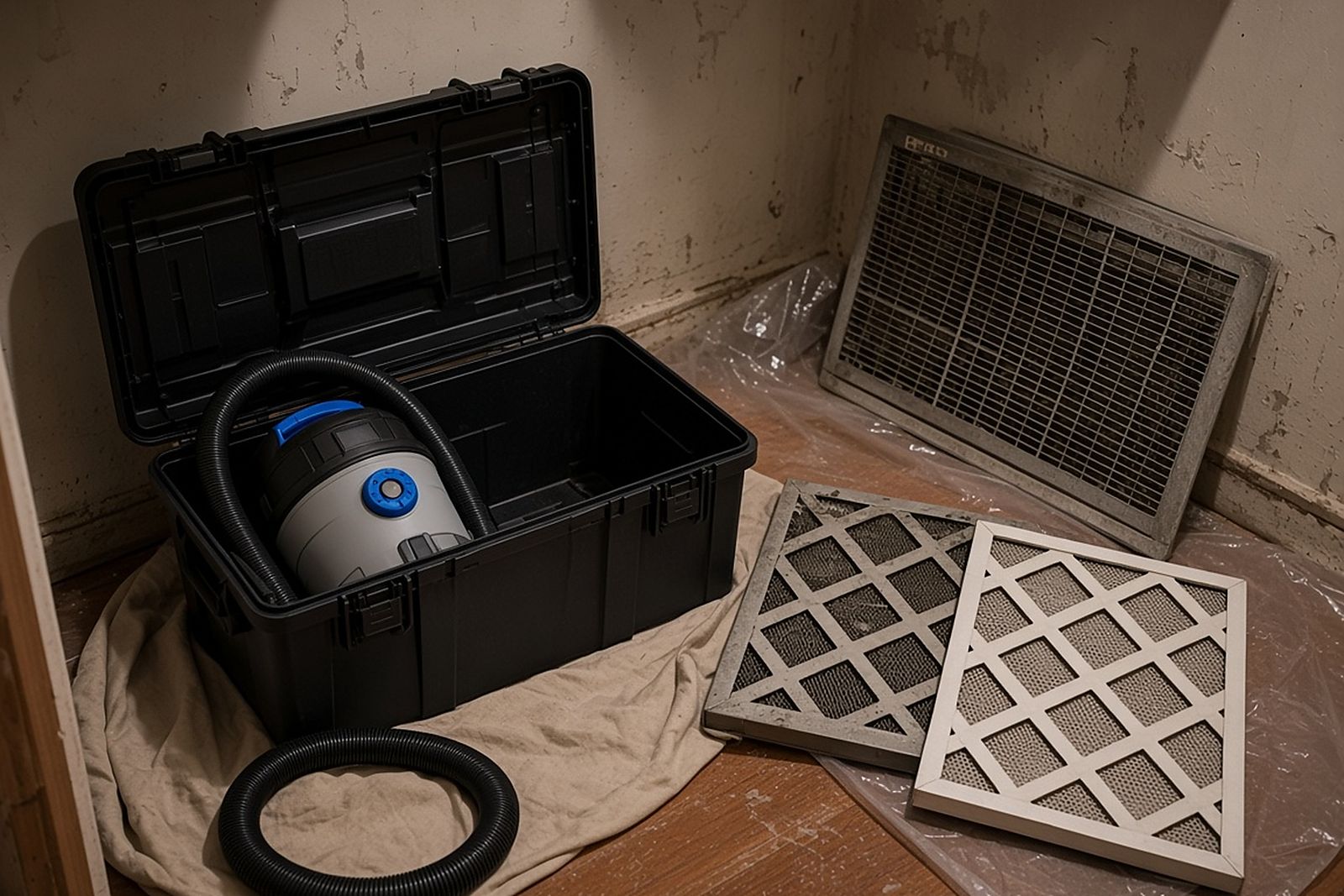
What drives the price, published cost ranges, and how to read a written quote line by line.
Insurance and payment
Which policies may respond, how to document a claim, and what to do if coverage is denied.
Planning tools
Use planners and checklists that walk you through the first day. They help you judge the risk of doing it yourself and get ready to talk with providers, landlords, and insurers.
Community polls
Compare your experience with other tenants, owners, and managers who dealt with tear gas residue. See which choices they found hardest afterward.
Knowledge quiz
Check what you know about how CS and OC residue behaves, why the air system matters, and what a thorough cleanup and its records should include.
Field guides
Read detailed guides on where residue hides, breaking it down versus cleaning it, who does what as landlord or tenant, and what a written cleanup plan should say.