Tear Gas Residue Cleanup: Choosing a Company
Evidence to request from tear gas residue cleanup providers: business identity, applicable training, insurance, scope assumptions, waste routing, verification, availability, and responsibility for subcontractors.
This group focuses on how to pick a provider who understands tear gas. You want one that does not treat the job as a quick carpet shampoo and repaint. Articles explain what a solid answer sounds like when you ask about the order of dry and wet cleaning, filter handling, and choices about soft items. You will also find posts on reading a written scope and spotting vague wording that leaves room for surprises. They show how to ask whether the company will come back if irritation returns after the job. These details set a thorough firm apart from one that just shows up.
Get an email reply about tear gas residue cleanup
Send a short message to the follow-up inbox. A coordinator can reply by email. This form does not send emergency help; call 911 first if anyone is in danger.
We also discuss harder questions. Is a crime scene cleanup company, a restoration firm, or a duct cleaner the right fit? The answer may be a mix. Posts look at how to check references from property managers and adjusters. They explain what to expect from a firm that hires others for parts of the work. They also cover how to compare local and regional providers in your area. The aim is to give you a short list of questions that show real experience with CS and OC residue. Then you can make a choice you feel good about.
10 Questions to Ask Before Hiring a Tear Gas Residue Cleanup Company
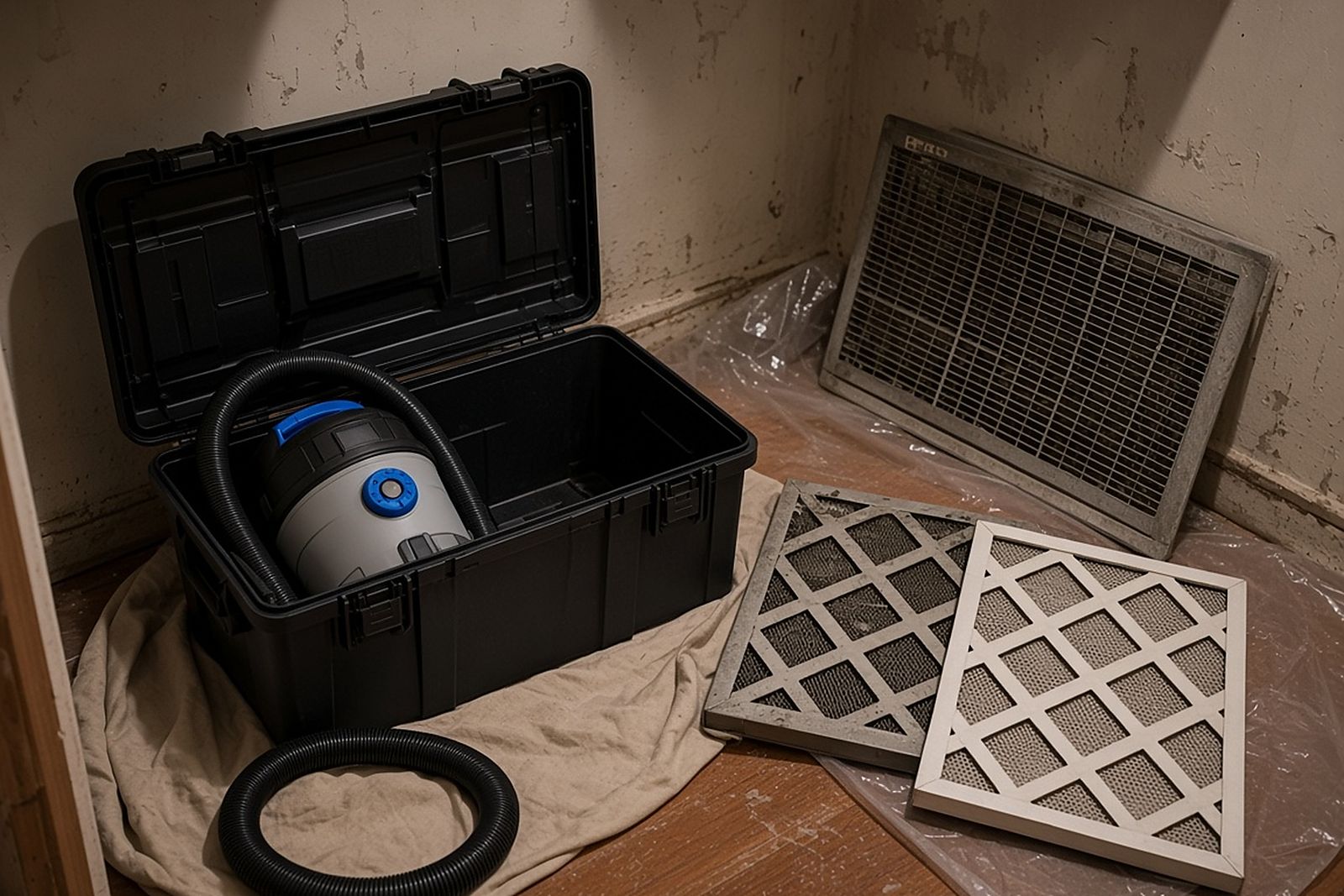
Ask how a tear gas cleanup firm handles CS powder versus OC oil, HVAC reservoirs, soft goods and re-entry checks before you let it into your home.
Before hiring a tear gas residue cleanup company, ask whether it has handled CS and OC residue before, how it adapts to each agent, how it protects workers, how it prevents spreading residue, what it will do with the HVAC system, how it decides which soft goods to save, how re-entry is judged, what the estimate includes, what insurance it carries and what records you will receive.

Red Flags When Hiring Tear Gas Residue Cleanup Services
Air out and ozone promises, no HVAC plan, no questions about which agent was used: red flags to catch before hiring a tear gas residue cleanup company.
Red flags when hiring a tear gas residue cleanup company include a plan that relies on airing out, ozone or fogging alone, no questions about whether CS, OC or another agent was used, no plan for ductwork and soft goods, crews without respiratory protection, a quote given without an inspection, and no clear way to judge completion, such as a re-occupancy walkthrough or a callback if symptoms return.
Training, Documentation, and Credentials for Tear Gas Residue Cleanup
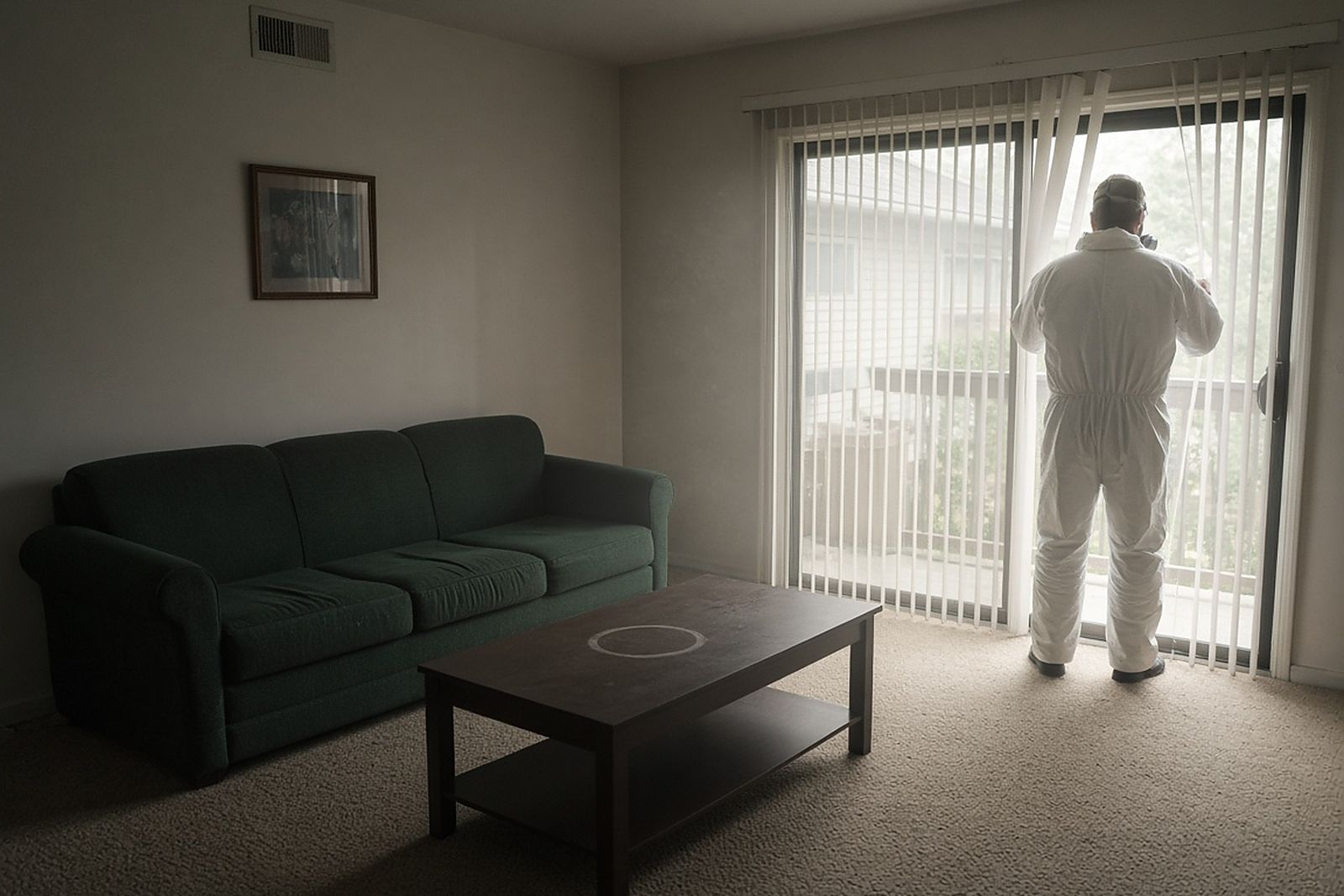
No single license covers tear gas residue cleanup. The training, respirator program, HVAC partners and job records that show a crew can do it safely.
There is usually no dedicated license for tear gas residue cleanup, so credentials come from related training and records. Look for chemical-hazard and respiratory protection training, a fit-tested respirator program, familiarity with CS and OC chemistry, a qualified HVAC partner, adequate insurance, and documentation of what was cleaned, discarded and inspected. Those records also support insurance claims and any claim against a responsible agency.
How to Compare Local and National Tear Gas Residue Cleanup Providers
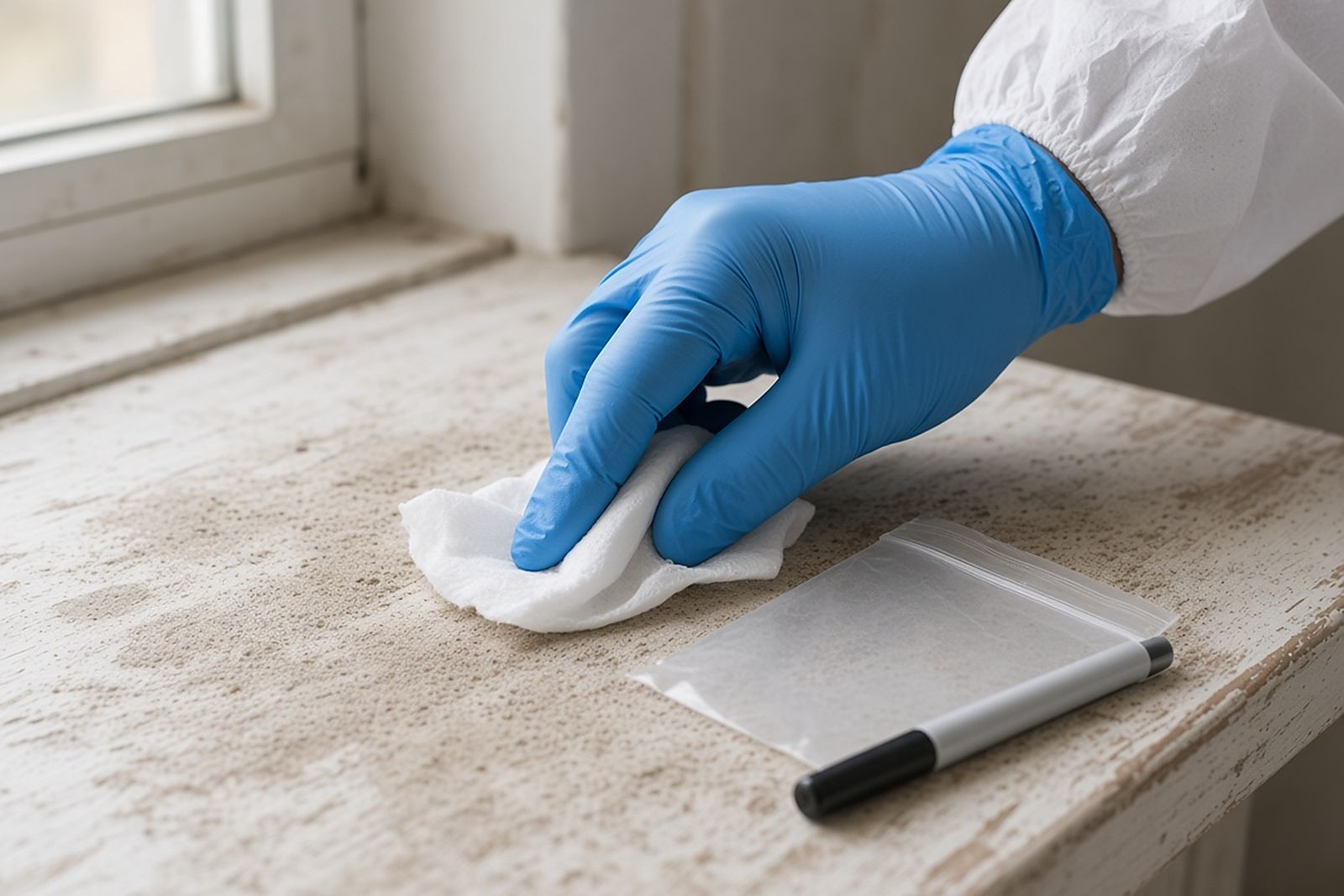
Choosing between a local crew and a national brand for tear gas residue cleanup: agent experience, HVAC capability, surge capacity and documentation compared.
The best tear gas residue cleanup provider is the one with real experience removing CS or OC from buildings, not simply the biggest or closest. Local firms may know your area and respond personally; national brands may have more equipment and surge capacity after large protests. Compare who will do the work, how they handle HVAC and soft goods, their protective equipment and the records you will receive.
Sourced figures on choosing a company
- 15 min (pH 7) vs 1 min (pH 9)
CS hydrolyzes with a half-life of about 15 minutes at pH 7 but about 1 minute at pH 9, so alkaline solutions break it down far faster.
Read with care: Half-life in solution does not equal persistence of dry residue on carpet, drywall or HVAC surfaces, where CS is sparingly soluble.
Source: National Research Council (2014)Laboratory chemistry of CS in solution
- 0.05 ppm (0.4 mg/m³)
The NIOSH recommended exposure limit for CS is a ceiling of 0.05 ppm (0.4 mg/m³) with a skin notation; the OSHA PEL is the same value as a time-weighted average.
Read with care: Workplace limits apply to workers, not residents, and residue on surfaces is not measured in ppm.
Source: NIOSH (CDC) (2019)US workplace exposure limits
- 34,696
Federal OSHA conducted 34,696 inspections in fiscal year 2024 and has roughly one compliance officer for every 70,000 workers.
Read with care: Excludes inspections by state-plan agencies.
Source: OSHA (2024)United States, federal OSHA, FY2024
These figures are public research and agency data, not this network's own job records. Keep each number with its population, year and limits; none of them predicts cost, timing or outcome at a specific property.
What research has found
Findings from published studies of people and properties in situations like this one. They describe what researchers observed in a specific group; they are not predictions for your case.
More reported exposure days were associated with more delayed issues, except mouth-related issues.
Choosing a Company: common questions
Is a regular carpet cleaner able to handle tear gas residue?
Standard hot water extraction can spread CS residue or release it into the air if the powder is not captured first. Some carpet firms have the equipment and training to follow a dry then wet sequence, but many do not. Ask specifically how they would handle riot-control agent residue before hiring them.
What should a written scope from a tear gas provider include?
A good scope names the affected rooms and the parts of the air system to be treated. It lists the order of cleaning and the products to be used. It says which soft items will be cleaned or removed and how waste will leave the property. It should also describe what records you get at the end and how return visits are handled.
Is it a warning sign if a provider suggests painting over walls?
Painting before residue is removed can trap irritant material under a new finish and make later cleaning harder. Paint may be appropriate after the surfaces have been properly cleaned. Be cautious with any provider who proposes painting as the main solution rather than a finishing step.
How many companies should I contact before choosing one?
Calling a few qualified companies gives you enough to compare. You can spot gaps and odd pricing without delaying the job too long. Screen by phone for tear gas experience. Then invite the strongest choices for a site visit. Compare their written scopes side by side. Focus on the air system, soft items, and how they check the work, not just the total.
What should I do if no local company has tear gas experience?
Look for companies with related experience, such as fine powder, smoke, or chemical residue. Ask how they would adjust their methods. Regional or national firms may travel after large events. Ask each one to explain their plan for the type of gas, the air system, and soft items. Choose the company whose answers are the most specific and careful.
Is it a good sign if a company recommends replacing most of my belongings?
Not always good or bad. Heavy replacement may be justified if residue soaked soft items or someone in the home is sensitive. It may also point to a company that would rather replace than clean with care. Ask the provider to explain the reason for each major item. Ask whether cleaning is a real option. A second opinion can help with costly choices.
Should I sign a contract before the insurer approves the scope?
You can, but understand the risk that the insurer may not approve everything. Some contracts allow you to start urgent work and adjust the rest later. Read the terms carefully, especially cancellation clauses and payment responsibilities if coverage is denied. Share the provider's scope with the adjuster promptly to speed up approval.
Related community polls
Every count is a real visitor vote; nothing is seeded or padded. One vote per poll per device, and you can change your answer.
How did tear gas end up in your building?
What was the first thing you tried to reduce the irritation?
More on tear gas residue cleanup
Tear Gas Residue Cleanup services
Learn what professional tear gas cleanup involves. It covers HEPA removal, the right chemicals, air system checks, choices about soft items, and safe return checks.
Costs explained
What drives the price, published cost ranges, and how to read a written quote line by line.
Insurance and payment
Which policies may respond, how to document a claim, and what to do if coverage is denied.
Planning tools
Use planners and checklists that walk you through the first day. They help you judge the risk of doing it yourself and get ready to talk with providers, landlords, and insurers.
Community polls
Compare your experience with other tenants, owners, and managers who dealt with tear gas residue. See which choices they found hardest afterward.
Knowledge quiz
Check what you know about how CS and OC residue behaves, why the air system matters, and what a thorough cleanup and its records should include.
Field guides
Read detailed guides on where residue hides, breaking it down versus cleaning it, who does what as landlord or tenant, and what a written cleanup plan should say.