Tear gas cleanup usually breaks into four kinds of work. Below you can see what each one covers, who tends to need it, and what you should get when it is done.
Send a short message to the follow-up inbox. A coordinator can reply by email. This form does not send emergency help; call 911 first if anyone is in danger.
Which parts of your property need attention
Most homes need the hard-surface cleaning at a minimum. The air system comes next if the heat or air conditioning ran at any point after the gas was used. Soft goods matter in almost every house, since clothes, beds, and couches trap powder deep in the fibers.
Businesses and apartment buildings add another layer. Hallways, shared vents, and neighboring units can all be affected, and people still need to use the building. Tell the company which spaces are occupied, so they can plan the work around the people there.
The services, one by one
CS/CN Gas Residue Removal
Who it is for: Any home or building where tear gas was set off indoors or drifted in through doors and windows.
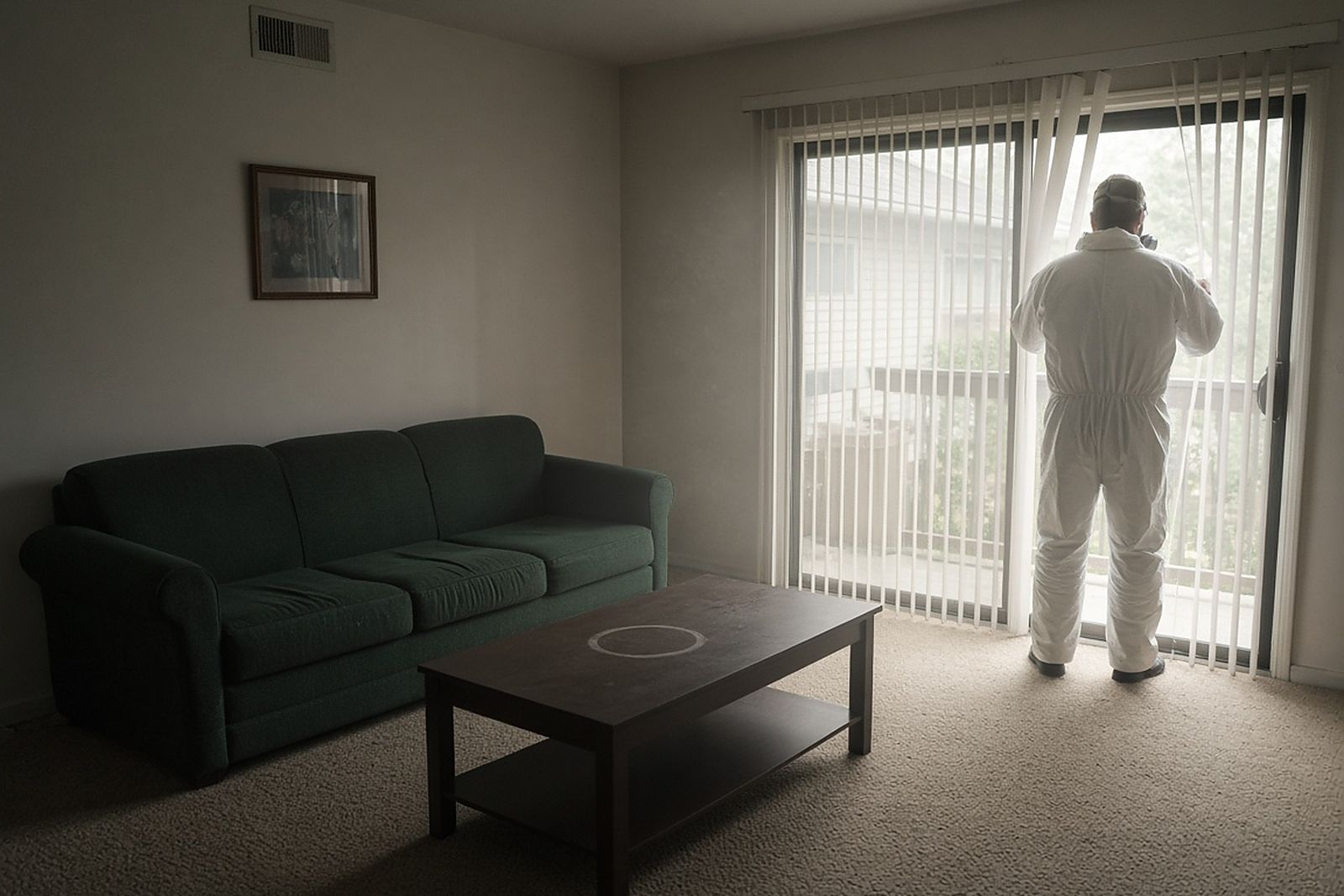
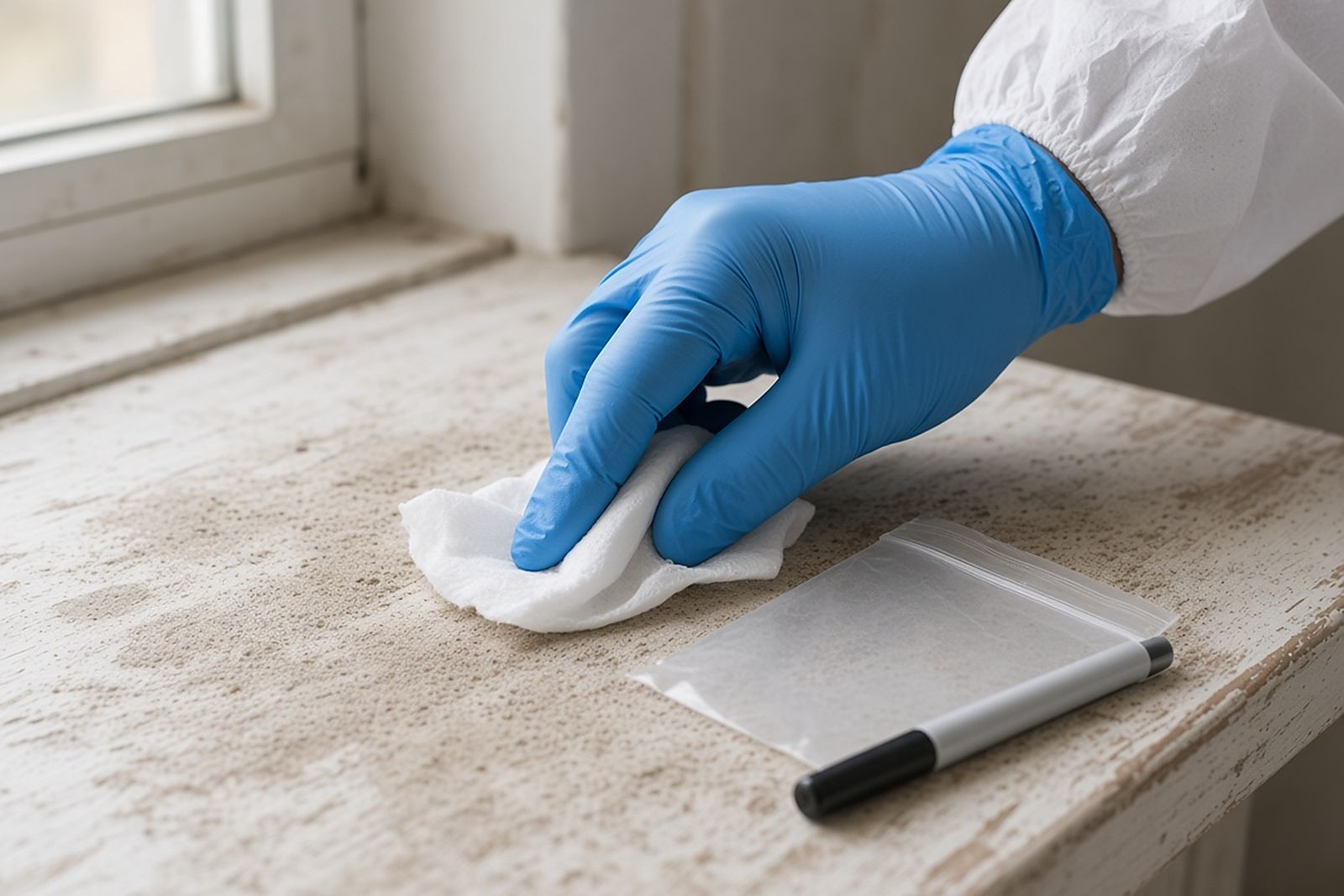
The crew closes off the affected area so powder does not spread. They vacuum every hard surface with a fine-dust filter vacuum, starting high and working down. Then they wash walls, floors, counters, and fixtures with a cleaner that works on this residue and rinse them. Rooms hit hardest usually get more than one round.
What you should get: A list of rooms cleaned, the products used, and notes on any spots that needed repeat washing.
HVAC System Decontamination
Who it is for: Homes and buildings where the furnace, air conditioner, or ventilation ran during or after the gas was used.
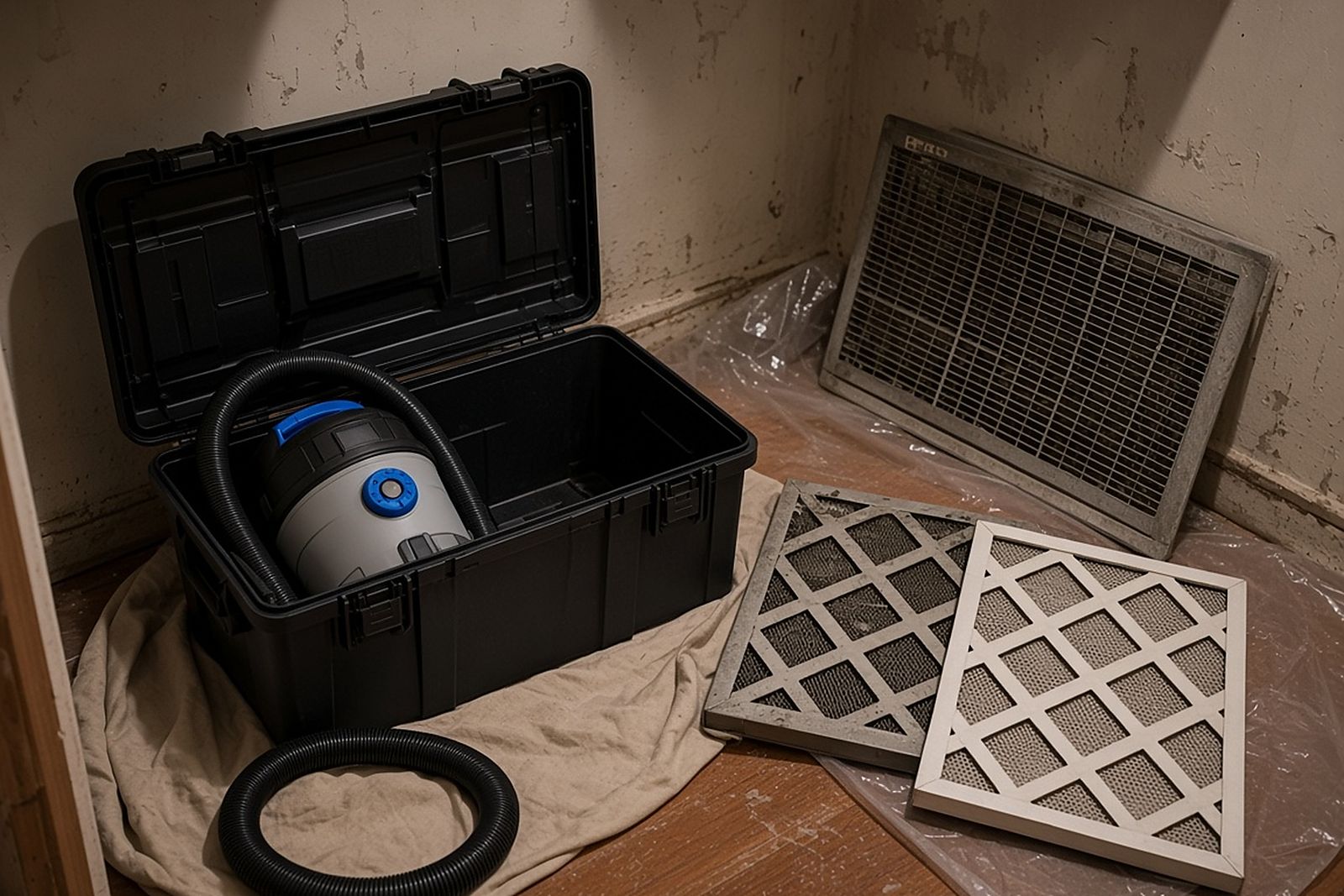
The crew checks filters, returns, and the duct sections they can reach. Used filters are sealed in bags before removal so the powder does not puff out. Vents and returns are vacuumed and wiped. The crew tells you whether the ducts need deeper cleaning and keeps the system off until the rest of the home is done.
What you should get: A written note of filters changed and parts cleaned, plus any advice on further duct work.
Soft Surface Remediation
Who it is for: Households with carpet, rugs, curtains, bedding, clothes, or upholstered furniture that were in the affected rooms.
The crew lists soft items room by room and asks which ones matter most to you. Items are vacuumed and tested by handling to see if they still sting. Washable goods are laundered or sent to a cleaner that can handle the residue. Items that still react after cleaning are bagged for disposal with your okay.
What you should get: A keep-or-discard list with photos, signed off by you, that your insurer can review.
Commercial Property Restoration
Who it is for: Stores, offices, and apartment buildings where tear gas reached shared halls, suites, or air systems.
The crew maps which units, hallways, and air zones were hit. They schedule work so open businesses and residents in clean areas are not exposed. Hard surfaces and air systems are finished before any area reopens. They work with building management on elevator use and routes for removing bags.
What you should get: Written re-entry notes for staff and tenants, and records the building can file with its insurer.
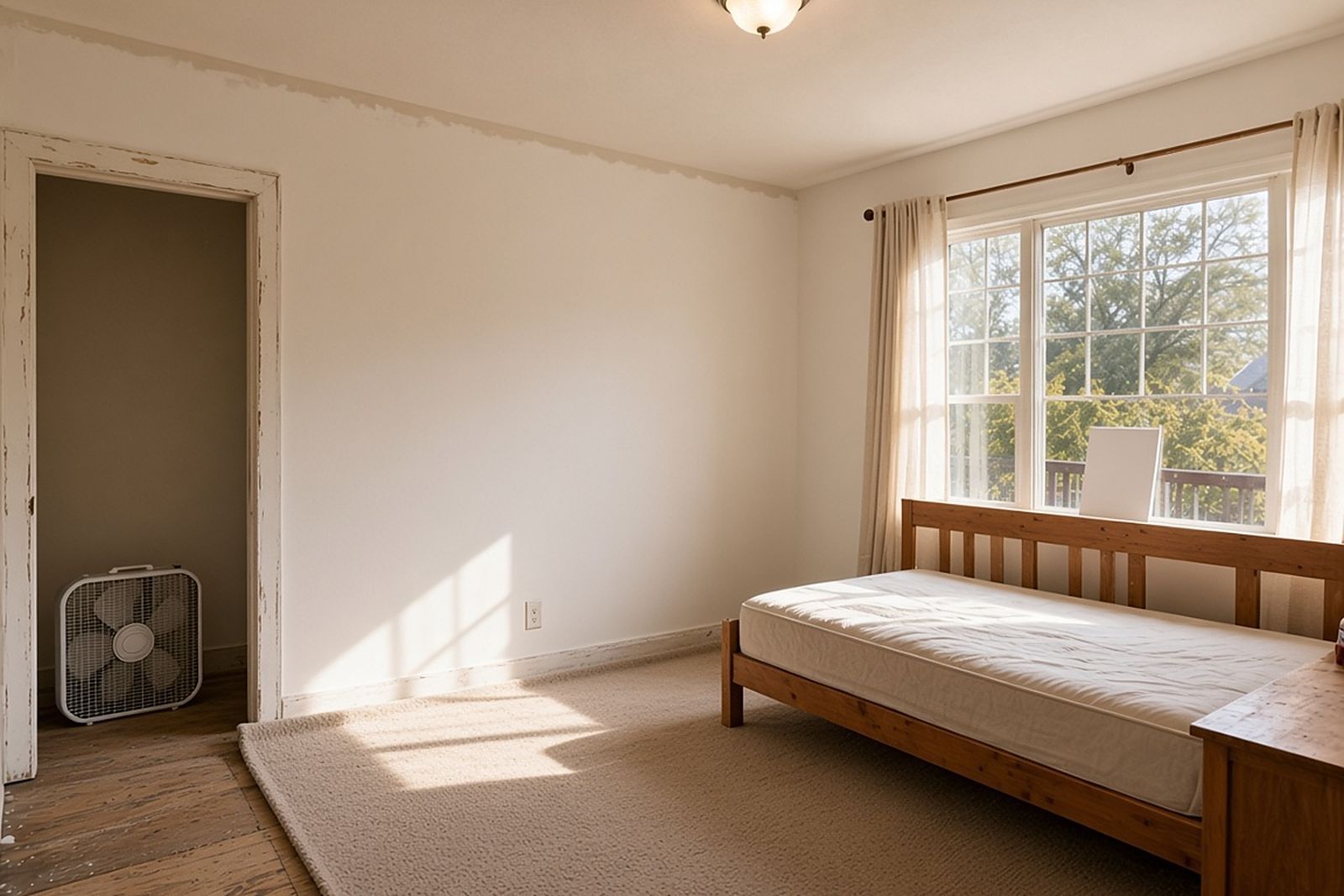
Illustrative photo, not a job record. HEPA vacuum in an open case next to a removed return-air grille and used air filters.Illustrative photo, not a job record. Bright bedroom after cleaning with a bed, open curtains and a box fan by the doorway.
Tear Gas Residue Cleanup in numbers
100,000+ injured; 14 deaths
Physicians for Human Rights reports that more than 100,000 people have been injured by chemical irritants since 2015 and at least 14 have died from canister trauma.
Read with care: Global figure dominated by mass protest settings, not residential incidents.
Among 1,276 adults exposed to law-enforcement chemical agents, 83% reported at least one adverse reproductive outcome; those exposed 5 or more days had 2.6 times the odds.
Read with care: Self-reported, cross-sectional data cannot prove causation.
In a survey of 2,257 people exposed to tear gas during 2020 Portland protests, 93.8% reported physical or psychological health issues and 54.6% sought or planned to seek care.
Read with care: Convenience sample with self-reported symptoms; not representative of all exposures.
These figures are public research and agency data, not this network's own job records. Keep each number with its population, year and limits; none of them predicts cost, timing or outcome at a specific property.
What tear gas cleanup does not include
Fixing doors, windows, or walls broken during entry. A general contractor or glass company handles repairs.
Replacing scorched flooring. A flooring installer does that after cleanup.
Medical care for burning eyes, skin, or breathing trouble. See a doctor or call Poison Control.
Legal advice about claims against a police agency. Talk with a lawyer or legal aid office.
Replacing furniture or clothes that were thrown out. Your insurer or claim decides what is paid.
Life at home after the cleanup
Turn the heat or air conditioning back on only after the crew says the ducts are done, and run it with a fresh filter. Pay attention the first few times the house warms up or gets humid. A small sting then can mean a missed spot. Call the company back rather than cleaning it yourself.
Keep all records together until every claim is closed. A police raid on your home, even when you did nothing wrong, can leave you and your kids anxious or angry. Talking with a counselor or a trusted friend can help. If you are in crisis, call or text 988.
Findings from published studies of people and properties in situations like this one. They describe what researchers observed in a specific group; they are not predictions for your case.
More reported exposure days were associated with more delayed issues, except mouth-related issues.
Every count is a real visitor vote; nothing is seeded or padded. One vote per poll per device, and you can change your answer.
Your experience
How did tear gas end up in your building?
No visitor votes yet
Safety
What was the first thing you tried to reduce the irritation?
No visitor votes yet
Cost
Which part of a professional quote was hardest to understand or accept?
No visitor votes yet
Before you hire: tear gas residue cleanup questions
What does a crew wash the walls with?▼
Most crews use a cleaner made to break down this type of residue, or a strong soap solution, followed by a plain water rinse. The choice depends on the surface and the type of gas used. Ask for the product name so you can check it for allergies or pets. Harsh bleach or solvent mixes are not needed and can create fumes of their own.
Can the ducts be cleaned, or do they have to be replaced?▼
Metal ducts can usually be cleaned. Flexible ducts with a soft lining, or ducts wrapped in insulation on the inside, may trap powder and sometimes need to be replaced. The crew should look inside with a camera or by opening a section, then explain what they saw. Ask for photos so you and your insurer understand the choice.
Can curtains and blinds be cleaned without taking them away?▼
Hard blinds made of metal, vinyl, or wood can be wiped in place after vacuuming. Curtains usually need to come down. Some can be washed, while heavy or lined drapes may need a dry cleaner who knows what the residue is. Tell the cleaner up front so they do not contaminate other customers' clothes. Some fabrics will not come fully clean.
How are neighbors protected while a crew works in one apartment?▼
The crew closes the unit's door and may seal gaps around it with tape and plastic. They shut off shared air if it links units. Bags are sealed before going into the hallway, and the hall is vacuumed after bags pass through. Building management should let neighbors know when work is scheduled and which paths to avoid.
What should I have ready before the crew arrives?▼
Have your photos, the case number, and a list of rooms where you felt stinging. Tell the crew whether the heat or air ran after the event. Mark any items you want saved no matter what, like baby books or heirlooms. If you rent, make sure the landlord knows the work is happening. Keys, parking, and pet plans help too.
Can a business stay open while one suite is cleaned?▼
Sometimes, if the affected suite has its own air system and entry. The crew seals the work area and plans routes that avoid customers. If the suite shares air with open areas, those areas may need to close until the system is cleaned. Building managers should share the plan in writing with nearby tenants before work begins.
How does the crew handle items I am unsure about keeping?▼
A good crew will bag and label those items and set them aside rather than discard them on the spot. That gives you time to talk with your insurer or family. Ask how long they can hold the bags and where they will be stored. Anything kept should stay sealed so it does not recontaminate clean rooms.