1Recognizing residue and its behavior
Tear gas is made to irritate at tiny levels. So the amount left behind does not have to be visible to matter. Look for a fine whitish or yellowish film on flat surfaces. Notice any chemical or peppery smell. The clearest sign is eye, throat, or skin irritation that comes back when someone enters, walks on carpet, or the air system starts. CS lands as crystals that lift again with damp air and air movement. OC is oily and sticks to fabrics and surfaces people touch. Both build up in filters, return vents, ducts, and soft materials. The problem is spread-out residue, not a smell in the air. Seeing that is the first step toward a plan that truly works.
2Access, authority, and when work can start
After a police operation, the building may be part of an investigation. Entry can be limited until the agency releases it. Any unused canisters or devices that remain are for the authorities to handle. People who live there or clean there should never touch them. Once the space is released, who controls the cleanup depends on ownership and agreements. A landlord usually controls the building and its systems. A tenant controls belongings. A business lease may spell out duties in detail. Buildings with many units add a property manager or owners' board. Rules vary by state and county, so check with the local office when the lines are unclear. Record who released the scene, who approved the work, and when. Those facts support every later claim.
3Containment and stopping the spread
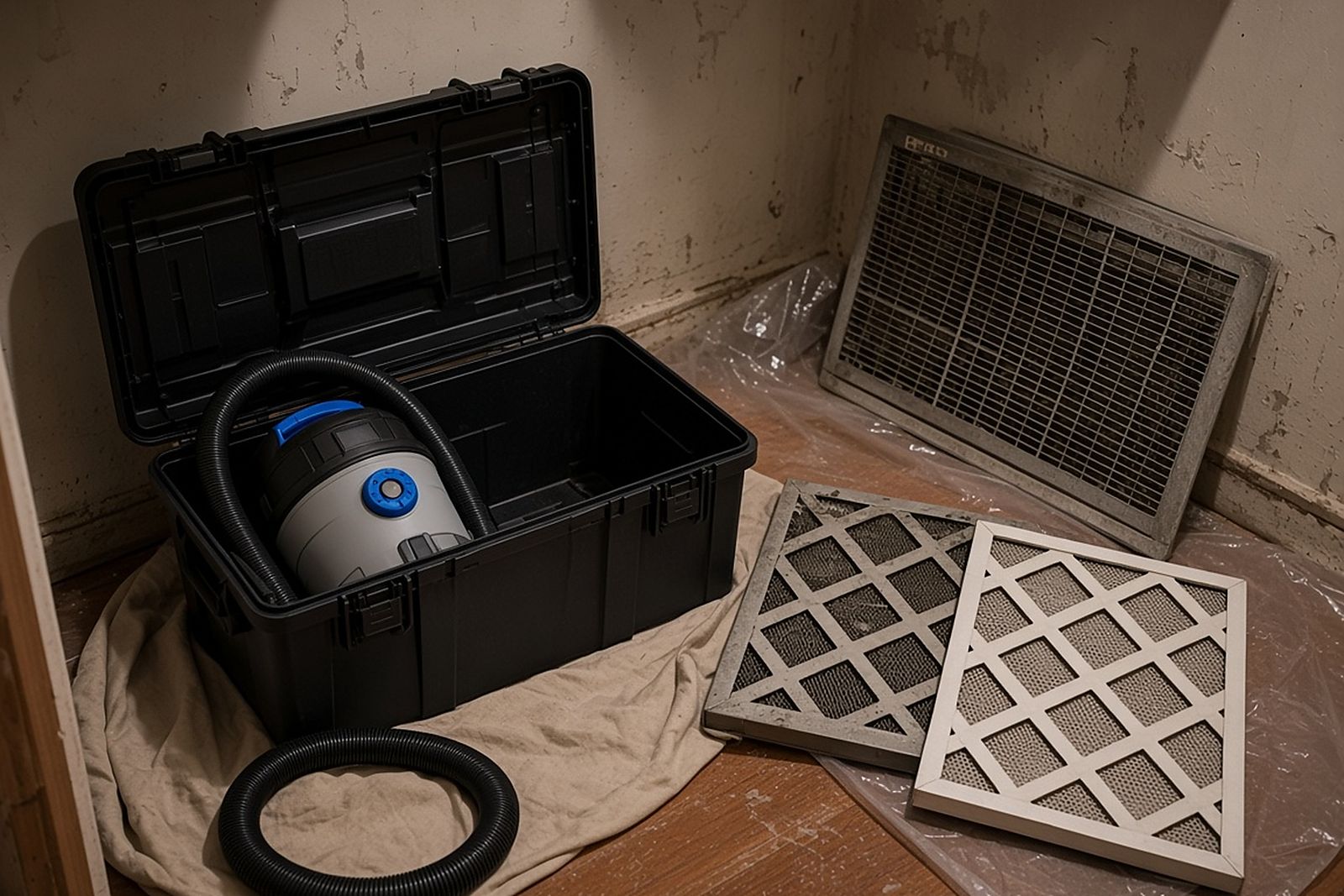
Residue spreads through foot traffic and handling of soiled items. Most of all, it spreads through moving air. Containment means blocking each of these paths. Shut off the heating and cooling system that serves the area until a provider checks it. Close inside doors, and keep people and pets out. Do not sweep. Do not use a home vacuum. Do not carry rugs, curtains, or cushions into clean rooms to look at them. Anything that leaves the space can spread residue. That includes the clothes and shoes of the last person inside. Providers add plastic walls, controlled entry, HEPA air cleaners, and protective clothing that stays in the work zone. In shared buildings, hallways and shared return vents need the same care as the room where the gas was used.
4Neutralization versus cleaning versus deodorizing
Three words get mixed up, but they mean different things. Cleaning removes material by hand and machine. It uses HEPA vacuums to lift settled particles and wet methods to wipe surfaces. Neutralizing uses chemicals chosen for the exact gas to break it down so it stops irritating. For CS, these are often alkaline cleaners. Deodorizing covers up or changes smell and does nothing to the residue. Plain soap, bleach, and vinegar do not reliably break down tear gas. Mixing products in hopes of extra strength can create dangerous gases. Wet cleaning before HEPA removal smears residue deeper. A sound plan puts these steps in a set order. Dry particle removal comes first, the right chemicals second, and any odor or cosmetic work last.
5Where the waste goes
Cleanup produces used air filters, HEPA vacuum contents, removed carpet and padding, furniture, ceiling tiles, and cleaning supplies. These are not biological waste, so medical waste rules do not usually apply. But they are not always regular household trash either. It depends on where you live. Some agencies treat bagged and sealed debris as regular trash. Others may require different handling. This is more likely for large business loads or when other chemicals are involved. Rules vary by state and county, so check with the local office or your state environmental agency. A provider should bag materials inside the sealed work area so residue is not stirred back into the air during removal. They should also record what was thrown out and where it went.
6Documentation and confirming re-entry
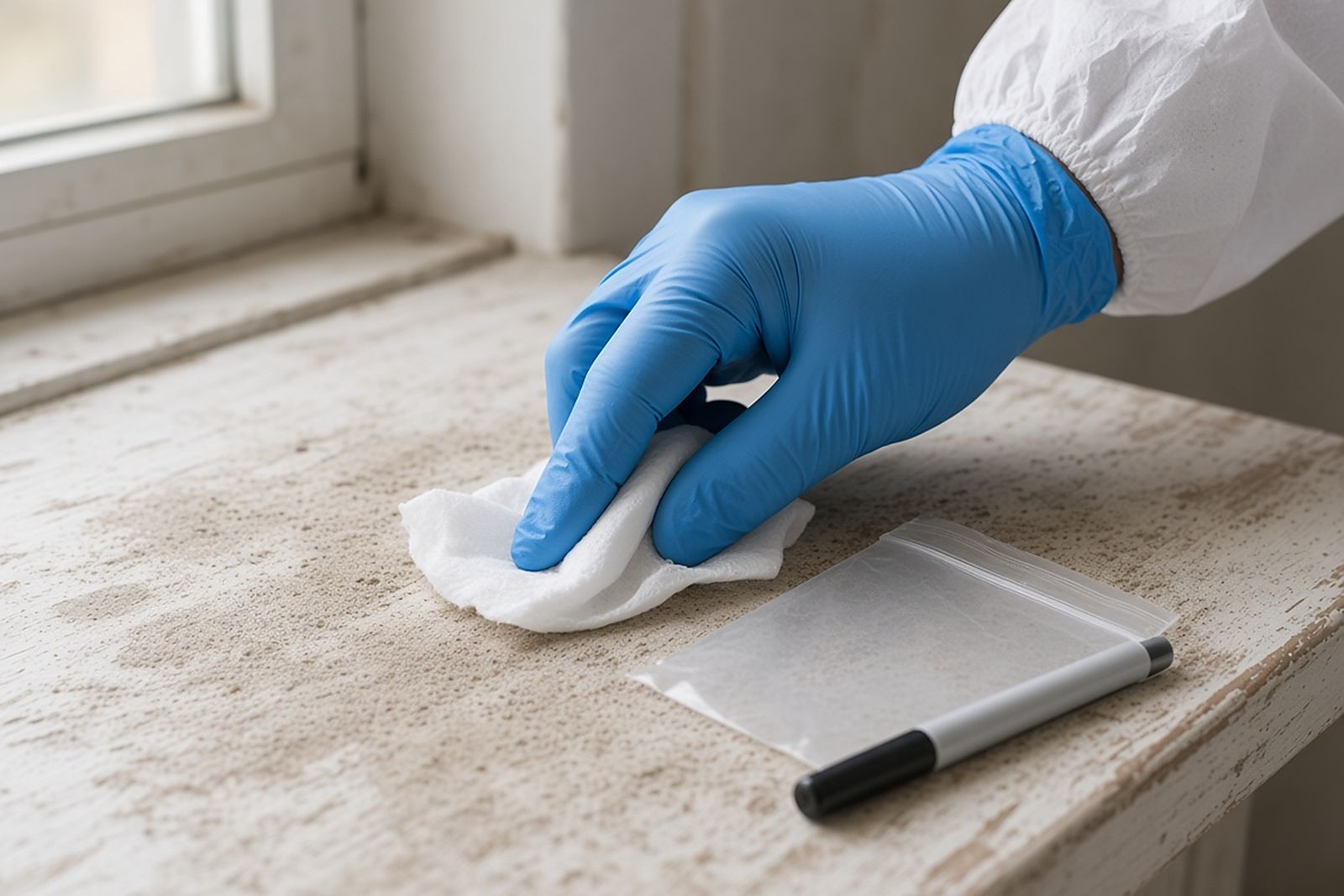
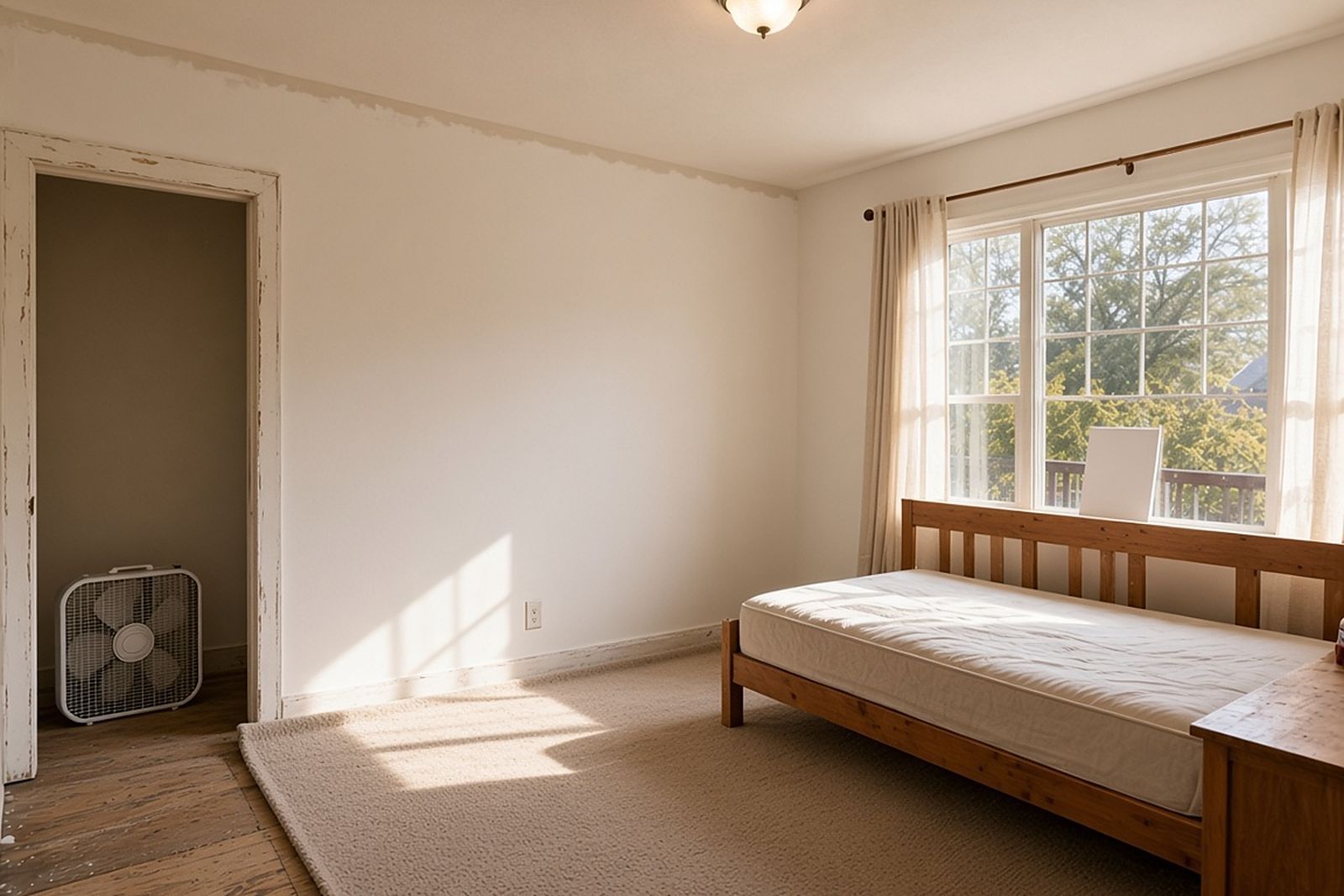
There is no widely accepted meter that reads tear gas residue. Swab tests used for other cleanups, which show leftover organic residue, do not apply here. So checking the work relies on a mix of methods. One is a careful look under strong light. Another is confirming that filters were replaced and return vents cleaned. Another is a record of which soft items were removed and which were cleaned. The last is a controlled return, where sensitive people spend time in the space and report whether irritation comes back. Records should include before and after photos and the products used with their purpose. They should list air system work, choices about belongings, and any agency incident number. Keep all of it. Insurers, landlords, tenants, and future buyers may ask what was done, and a spoken promise will not answer them.