Tear Gas Residue Cleanup location coverage standards
Why a city name alone is not local expertise.
We have not published city pages for this specialty yet. Pages stay unpublished until they contain researched local context and useful decision support. Use the form to ask about your area.
Get an email reply about tear gas residue cleanup
Send a short message to the follow-up inbox. A coordinator can reply by email. This form does not send emergency help; call 911 first if anyone is in danger.
Research before reach
A location is published only when its page includes meaningful local property, access, climate, jurisdiction, or documentation considerations.
Everything for one city on one page
Planning, safety, insurance, provider questions, sources, and documentation for each city sit together on a single guide.
No invented local offices
A city guide does not claim a storefront, parked crew, guaranteed arrival, job count, rating, or credential that has not been independently verified.
Use the national service guidance
The service and article libraries explain hazard controls, documentation, insurance questions, and provider verification without pretending those requirements are identical in every jurisdiction.
Not sure where to start?
Send a short message about your situation. Your request is sent to the follow-up inbox. A coordinator can reply by email.
Your request is sent to the follow-up inbox. A coordinator can reply by email.
If anyone is hurt or in danger, call 911 first.
Why location matters for tear gas residue cleanup
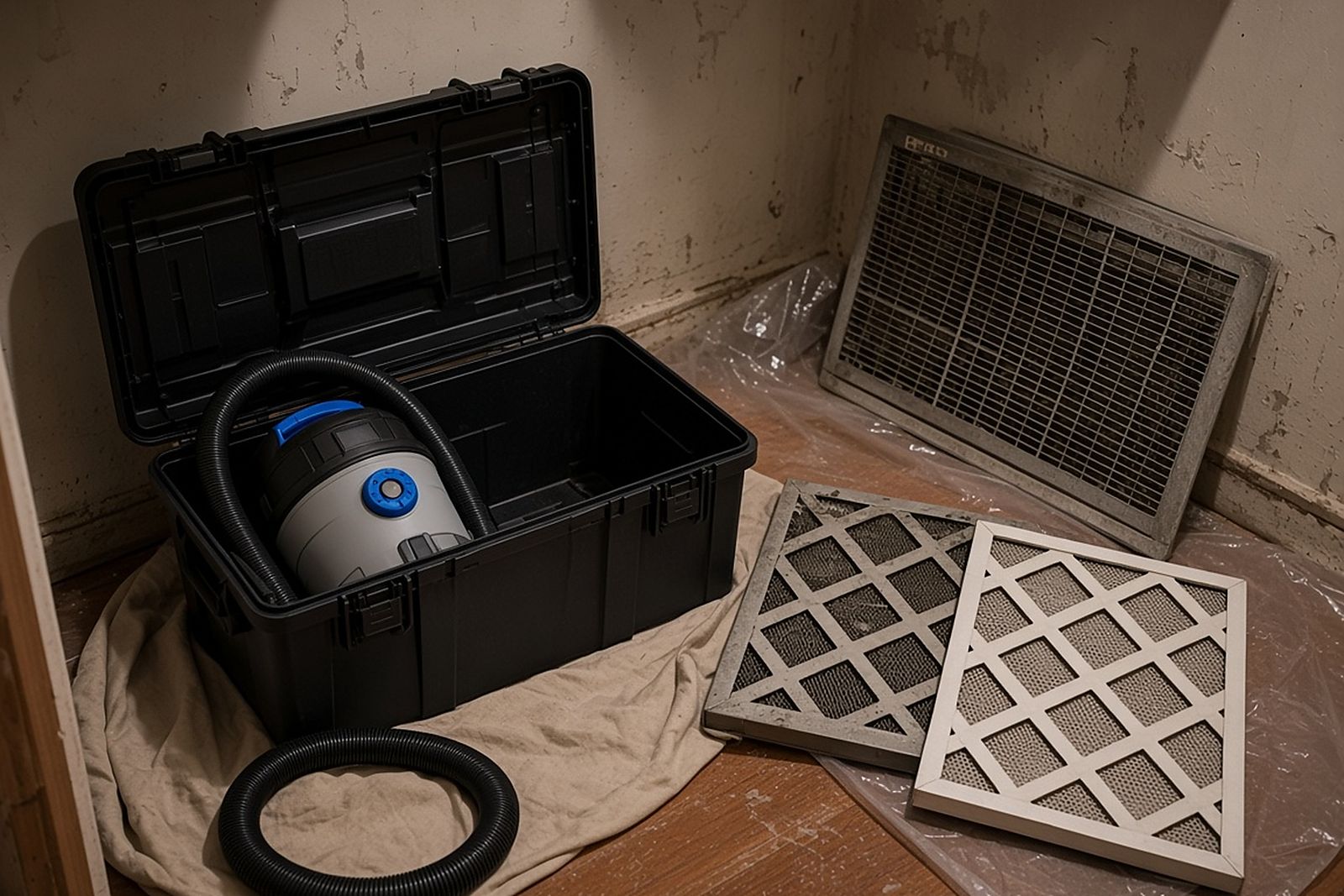
Where your building sits changes how tear gas residue behaves and how the cleanup is handled. In a humid Gulf Coast apartment, irritant dust can flare up again each time the air gets damp. In a dry high-desert home, fine powder may sit in carpet and ducts and stir up with every step. Older homes often have air systems that run through basements or crawlspaces. Those give CS particles more hidden places to settle. A house on a slab with a rooftop unit has a different set of access problems. In apartment buildings, shared return vents or hallway air can carry residue well beyond the unit where canisters landed. Your state sets the rules for throwing out soiled carpet, filters, and furniture. Sometimes your county or hauler does too. So the right disposal path in one town may not apply a few miles away.
Several local offices can play a part in a tear gas cleanup. Knowing which ones apply to your address saves time. The police agency that used the gas usually holds the incident report. Its records unit or claims office is where you ask about the report and the type of gas. It is also where you ask about any process for property damage requests. Your county or city environmental health office can answer questions about throwing out items soiled with residue. The trash authority or transfer station sets what it will accept. If you rent, a local tenant rights office or housing authority can explain how repairs and livable conditions are handled where you live. Code enforcement may get involved when doors, windows, or walls need a permit to repair. Start by searching your county name with each of these office names. Then call the main line and ask to be sent to the right person.
A directory listing tells you a company paid for a spot or filled out a form. It does not tell you the company understands tear gas. To check a provider near you, ask them to explain in their own words how they keep dry HEPA work separate from wet cleaning on a CS job. Ask why the order matters. Ask for a sample final report with client details removed. Then you can see whether they record filters changed, products used, and which soft items were kept or thrown out. Look up the business name with your secretary of state to confirm it is registered. Ask your local waste authority whether the hauler they name is allowed to take the material. Call a past property manager or insurance adjuster they list as a reference. A local firm that answers these questions plainly is worth more than any badge on a web page.

What to verify locally
- Whether your county trash authority takes carpet, cushions, and air filters soiled with residue in regular pickup, or needs a separate plan.
- Which records office at the police or sheriff agency that used the gas releases incident reports. Also, whether the report names the gas used, such as CS or OC.
- Whether the agency that used the gas has a written process for property damage requests. Also, what deadline or form it expects from owners and tenants.
- Whether local housing or landlord-tenant rules say who arranges cleanup of a rental after police use gas there. Also, how rent is handled in the meantime.
- Whether fixing forced doors, broken windows, or damaged drywall at your address needs a city permit before or after the residue work.
- Whether a provider you are thinking about has handled tear gas jobs in your climate. This matters most where damp air or shared building air spreads the irritant.
National figures for context
These are national or research figures, not data for any one city.
- $5,000
After a 2015 SWAT standoff in Greenwood Village, Colorado used tear gas and explosives on an innocent family's home, the city offered only $5,000 toward the insurance deductible; courts denied further compensation.
Read with care: A single case; outcomes depend on state law and the homeowner's policy language.
Source: Westword (2019)Lech v. Jackson, Tenth Circuit, Colorado
- 45,000 raids/year
Criminologist Peter Kraska's surveys, cited by the ACLU, estimate SWAT raids grew from about 3,000 per year in the 1980s to 45,000 per year by the mid-2000s.
Read with care: Survey-based estimate; there is no official national count of SWAT deployments.
Source: ACLU (citing Kraska) (2014)United States, 1980s to mid-2000s
- 89 tear gas uses in 34 states
Amnesty International recorded 89 uses of tear gas in 34 states and 21 uses of pepper spray in 15 states plus D.C. between May 26 and June 5, 2020.
Read with care: Counts verified incidents in one short period; total 2020 deployments were higher.
Source: Amnesty International (2020)United States, 11-day window in 2020
These figures are public research and agency data, not this network's own job records. Keep each number with its population, year and limits; none of them predicts cost, timing or outcome at a specific property.
Local questions about tear gas residue cleanup
Does my state have a specific standard for when a home is clear of tear gas residue?
In many places, there is no number-based test for when CS or OC residue is cleared. Some states have such tests for other chemical messes. Because of that gap, the agreed finish line for the job is often a written scope. It is also the lack of irritation when surfaces and soft items are disturbed. Ask your local environmental health office whether any guidance applies in your area. Ask each provider what proof of completion they give you, so you are not relying on a single sniff test.
Who do I call locally to find out what agent was used in my home?
The agency that used the gas is the best source. You can usually reach it through its records or public information unit. Some departments list the type of gas in the incident report. Others share it only when asked or through a claims contact. Knowing whether it was CS, OC, or a blend helps a provider pick the right cleaning chemicals. If you cannot reach anyone, a qualified provider can still plan the work with care based on what they see on site.
Can I put tear gas contaminated items out with my curbside trash?
That depends on the hauler that serves your address and on how your county treats items soiled with residue. Some city programs accept bagged household items. Others ask that chemically soiled materials go through a different path. Either way, double-bagging and sealing items keeps dust from escaping onto trash crews and neighbors. Call your trash office before you set anything at the curb. Write down who you spoke with and what they said.
How does humidity where I live affect tear gas cleanup?
Damp air can make CS residue feel active again long after the event. So homes in muggy areas may notice irritation coming back on warm, damp days. In dry climates, the fine powder tends to stay loose and float into the air when disturbed. That makes careful HEPA vacuuming before any wiping even more important. A provider who knows your local conditions should explain how they plan for this. That includes whether drying the air or controlling airflow belongs in the work plan.
I live in an apartment building. Does the cleanup extend past my unit?
It can, most of all if your building uses shared return vents, hallway air supply, or a shared air unit. Residue carried through those systems may settle in hallways, stairwells, or nearby units that were never directly exposed. The building owner or management company usually controls those shared spaces, so bring them in early. Ask whether the provider will map how air moves across the building, rather than limiting the scope to the doors that were opened during the event.
Is there a local office that can help if my landlord will not arrange cleanup?
Many cities and counties have a tenant rights office, a housing authority, or a legal aid clinic that can explain your options. Code enforcement may also inspect a unit when it may not be fit to live in, depending on local practice. The options and timelines differ from place to place. So ask one of these offices what applies at your address. Keep written copies of every request you send to the landlord and any replies you get.
Should a tear gas cleanup company be based in my city?
A nearby firm can be easier to reach for return visits if irritation comes back after the first round of work. But distance alone does not settle it. Some regional providers travel often and know local disposal rules well. What matters more is whether the company knows your county's waste paths and has worked in buildings like yours. It should also be able to explain its plan for the air system and soft items. Ask directly how they would handle a return visit.
More on tear gas residue cleanup
Tear Gas Residue Cleanup services
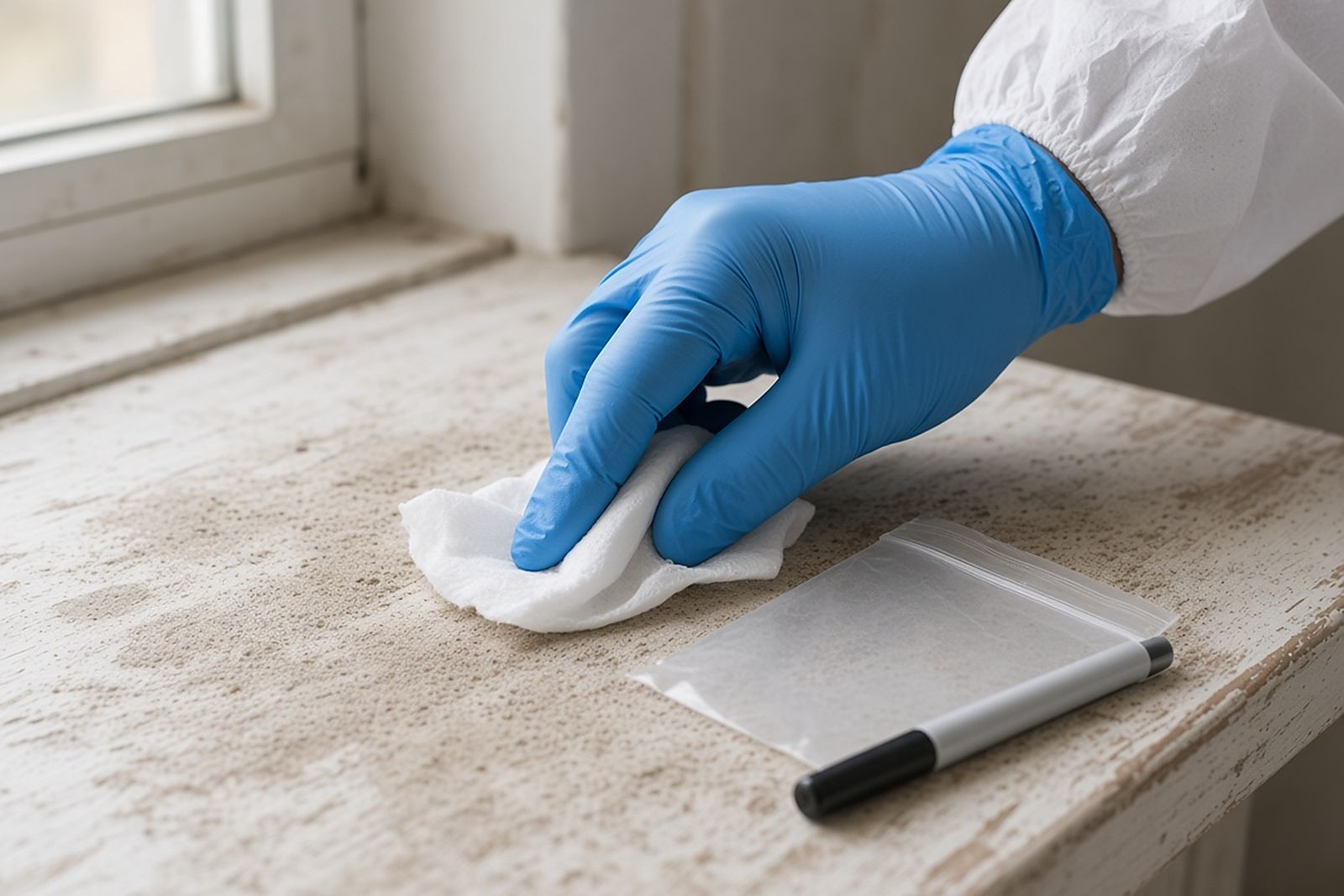
Learn what professional tear gas cleanup involves. It covers HEPA removal, the right chemicals, air system checks, choices about soft items, and safe return checks.
Costs explained
What drives the price, published cost ranges, and how to read a written quote line by line.
Insurance and payment
Which policies may respond, how to document a claim, and what to do if coverage is denied.
Planning tools
Use planners and checklists that walk you through the first day. They help you judge the risk of doing it yourself and get ready to talk with providers, landlords, and insurers.
Community polls
Compare your experience with other tenants, owners, and managers who dealt with tear gas residue. See which choices they found hardest afterward.
Knowledge quiz
Check what you know about how CS and OC residue behaves, why the air system matters, and what a thorough cleanup and its records should include.
Articles and resources
Read articles on how tear gas acts in buildings, lessons from home and business cleanups, and how cleanup methods keep changing.
Field guides
Read detailed guides on where residue hides, breaking it down versus cleaning it, who does what as landlord or tenant, and what a written cleanup plan should say.