Tear Gas Residue Cleanup field guides
Long-form planning resources built around one property decision each.
Every guide is written around a distinct decision, cites primary sources, states its limits plainly, and ends with a practical handoff. They are not keyword permutations of one another.
Get an email reply about tear gas residue cleanup
Send a short message to the follow-up inbox. A coordinator can reply by email. This form does not send emergency help; call 911 first if anyone is in danger.
How to use these guides
The guides in this section walk through the choices that come up after tear gas has been used inside a home, shop, or apartment. Some guides cover shutting down and checking the air system. Some help you decide which carpets, mattresses, and curtains can be cleaned and which should go. Others explain why dry HEPA vacuuming comes before wet cleaning with chemicals. Some cover talking with the agency that used the gas about property damage. Others cover shared buildings where residue travels through hallways. They also explain what a final records file should hold so a landlord, insurer, or future buyer can see what was done. Each one is written for owners and tenants, not workers, so you can follow the reasons behind a quote.
Each guide pairs a decision table with a checklist that turns the table into steps. Read the table row by row. The left column describes something you can see. One example is a sofa that still makes your eyes water after vacuuming. Another is a return vent near where a canister landed. The right columns show the usual options and the tradeoffs of each. Find the row that looks most like your situation before you read the advice. The checklist then puts those choices in working order. It goes from turning off the system to bagging filters to recording what you kept. Mark items as you confirm them with your provider. Bring the marked list to any talk about scope or cost.
Sourced figures behind the guides
- 0.05 ppm (0.4 mg/m³)
The NIOSH recommended exposure limit for CS is a ceiling of 0.05 ppm (0.4 mg/m³) with a skin notation; the OSHA PEL is the same value as a time-weighted average.
Read with care: Workplace limits apply to workers, not residents, and residue on surfaces is not measured in ppm.
Source: NIOSH (CDC) (2019)US workplace exposure limits
- 15 min (pH 7) vs 1 min (pH 9)
CS hydrolyzes with a half-life of about 15 minutes at pH 7 but about 1 minute at pH 9, so alkaline solutions break it down far faster.
Read with care: Half-life in solution does not equal persistence of dry residue on carpet, drywall or HVAC surfaces, where CS is sparingly soluble.
Source: National Research Council (2014)Laboratory chemistry of CS in solution
- $5,000
After a 2015 SWAT standoff in Greenwood Village, Colorado used tear gas and explosives on an innocent family's home, the city offered only $5,000 toward the insurance deductible; courts denied further compensation.
Read with care: A single case; outcomes depend on state law and the homeowner's policy language.
Source: Westword (2019)Lech v. Jackson, Tenth Circuit, Colorado
These figures are public research and agency data, not this network's own job records. Keep each number with its population, year and limits; none of them predicts cost, timing or outcome at a specific property.
Questions about these field guides
Which guide should I read first after tear gas was used in my home?
Start with the guide on the heating and cooling system. A running air system can keep spreading irritant dust into rooms that were never directly hit. That guide explains how to turn the system off and what to look for at the return vents. It also explains when to wait for a professional before touching the filter. After that, the soft items guide helps you think about furniture and bedding without rushing into choices.
Do the guides tell me which neutralizing product to buy?
No. The guides explain why the right product depends on the gas used, the surface, and the maker's directions. But they do not name one product as the answer. Mixing the wrong chemicals or using a scented cleaner can make residue harder to remove. It can also hide a problem without solving it. Use the guides to ask a provider better questions about the products they plan to use and why.
Can the guides help me if I am a renter rather than an owner?
Yes. Several guides include table rows and checklist items for tenants. These include recording your belongings before anything is removed, telling the landlord in writing, and asking which renters policy covers personal items. The guides also point out which choices usually belong to the owner, like building air systems and wall repairs. That way you know where your duties end.
What if my situation does not match any row in a decision table?
Pick the closest row and note what is different about your case. Then treat the result as a starting point, not a final answer. Unusual cases call for a talk with a provider who can see the space. Examples include residue mixed with fire extinguisher powder, or a building with several linked air systems. Bring your notes about what does not match, so the talk starts from the details.
Are the checklists meant to be completed by me or by the provider?
Both. Some items are yours to do. These include getting the incident report, taking photos of rooms from the doorway, and listing the belongings you most want to save. Others describe work the provider should do and record, like bagging filters or noting which surfaces were wet cleaned. Going through the list together at the start of a job helps everyone agree on who handles each step.
How often are the guides updated?
Guides are reviewed periodically to keep explanations accurate and useful. Each page shows when it was last reviewed. Local rules, insurance practices and provider methods can change, so treat the guides as a starting point and confirm details with your insurer, local offices and the provider handling your job. If something seems outdated, rely on current local sources.
Can I print or share the guides with my family or landlord?
Yes. Sharing a guide can help everyone involved understand the same steps and terms. That cuts down on confusion. Printed checklists can be useful during a site visit or when talking with an adjuster. Share only what is helpful, and do not add personal information to shared copies. The guides are for learning and do not replace professional advice for your situation.
More on tear gas residue cleanup
Tear Gas Residue Cleanup services
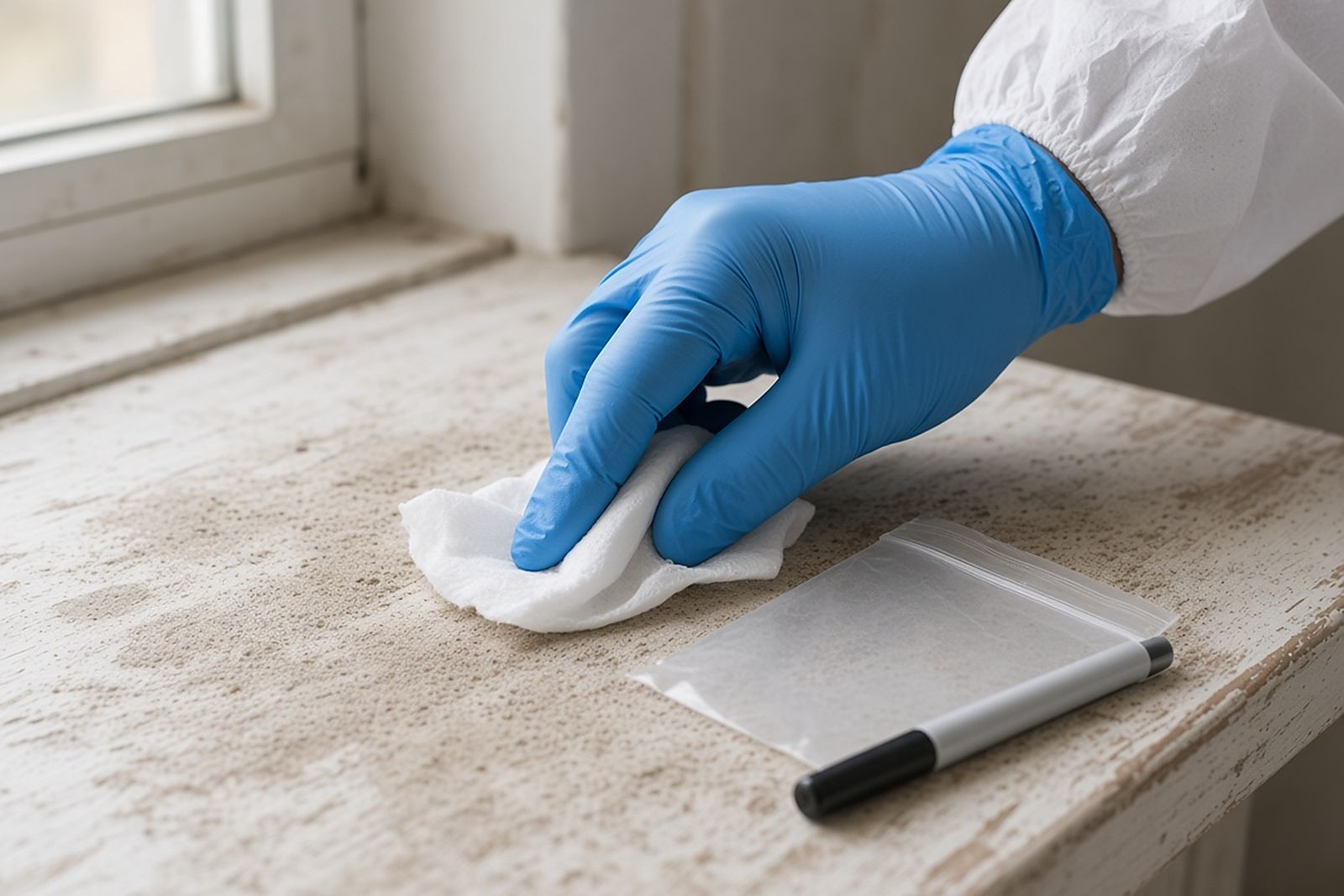
Learn what professional tear gas cleanup involves. It covers HEPA removal, the right chemicals, air system checks, choices about soft items, and safe return checks.
Costs explained
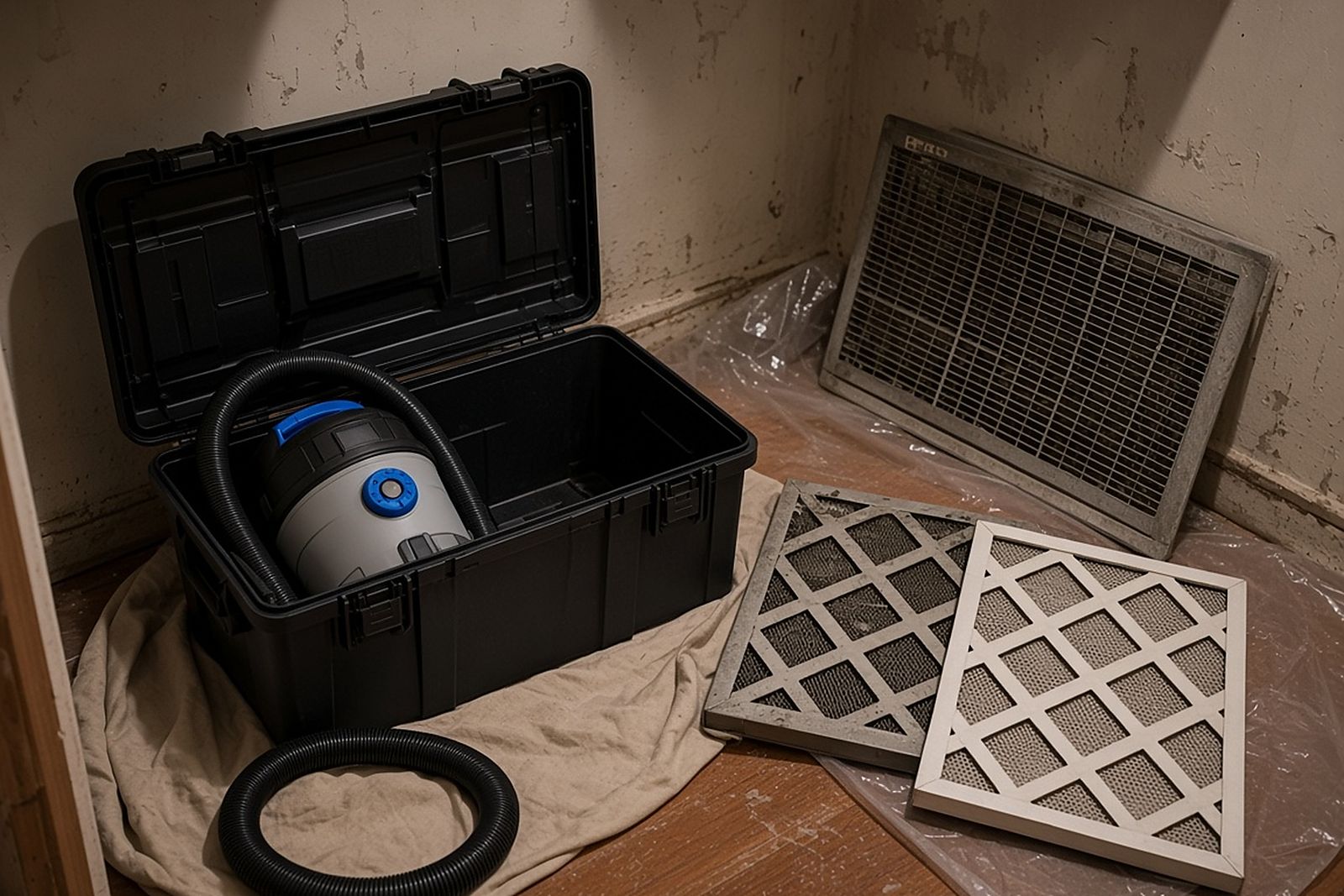
What drives the price, published cost ranges, and how to read a written quote line by line.

Insurance and payment
Which policies may respond, how to document a claim, and what to do if coverage is denied.
Planning tools
Use planners and checklists that walk you through the first day. They help you judge the risk of doing it yourself and get ready to talk with providers, landlords, and insurers.
Community polls
Compare your experience with other tenants, owners, and managers who dealt with tear gas residue. See which choices they found hardest afterward.
Knowledge quiz
Check what you know about how CS and OC residue behaves, why the air system matters, and what a thorough cleanup and its records should include.
Articles and resources
Read articles on how tear gas acts in buildings, lessons from home and business cleanups, and how cleanup methods keep changing.